How much does a trip to Croatia cost?
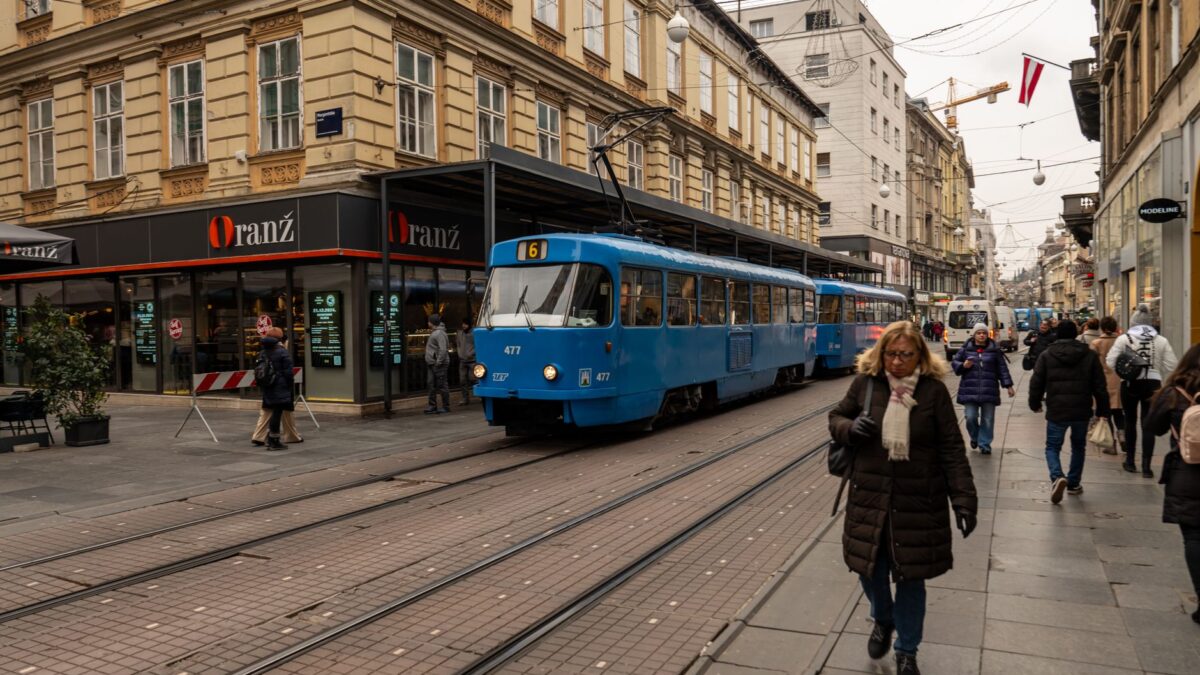
September in Zagreb is a particular kind of magic. The air has that crisp, early-autumn bite that makes you pull your coat tighter, and the scent of roasted chestnuts drifts from street corners while locals return to their routines after the summer rush. It’s the tail end of warm days sliding into cooler evenings, with fog often clinging to the hills above the city. If you’re planning a trip now, or any time this season, you might be wondering about the price of admission to this charming capital. As someone who knows these cobblestones intimately, I can tell you that Croatia is increasingly affordable compared to Western Europe, though it is not “cheap” in the backpacker sense. Let’s break down what you will actually spend.
The Reality of Accommodation Costs
Where you stay dictates your budget more than anything else. In Zagreb, rents remain among the least affordable in the EU for residents, but for travelers, the options are varied. For a realistic mid-range experience, expect to pay around €60–€90 per night for a clean, modern apartment in the city center (Donji Grad) or near the Green Horseshoe parks. Boutique hotels like B&B Centar or Annie’s Bed&Breakfast offer a personal touch without the luxury price tag.
If you are on a tight budget, hostels or private rooms in districts like Novi Zagreb or outside the immediate center can drop below €30–€40. However, if you want the full experience of staying in Gornji Grad (Gradec), the medieval hilltop district, prices jump significantly. You are paying for the atmosphere—the quiet nights, the funicular access, and the views. A modest one-bedroom flat rented monthly costs roughly €575 outside the center versus €763 inside, which gives you a sense of the baseline housing cost. For a short visit, you won’t pay rent, but you will pay a premium for location.
Eating Like a Local: Lunch vs. Dinner
This is where Zagreb shines. Food here is hearty, delicious, and surprisingly reasonable. The key to saving money is understanding the “dnevno” (daily set menu). Every local bistro and canteen offers a lunch special that includes soup, main course, and sometimes coffee or bread for a fixed price.
- Budget Eats: A university student canteen meal is open to everyone and costs only about €5–€6. It is simple, filling, and authentic. Alternatively, find a local bistro offering a “gablec” daily menu for approximately €6–€8. You might eat grašak s kobasicom (peas with sausage) or zapečene štrukle (baked strukli pastry) for this price.
- Mid-Range Dining: A proper dinner at a mid-range restaurant will run you about €9–€12 per person. This gets you a starter, a main, and a drink. Try the Zagrebački odrezak (breaded schnitzel) at places like Pod Zidom Bistro or Pri zvoncu for around €8 on a lunch menu, or upgrade to a nicer evening setting.
- Treat Yourself: Coffee culture is huge here. A specialty coffee at Quahwa or Cogito Coffee might cost €3–€4, but it’s an experience. Dinner with wine at a higher-end spot can easily exceed €25–€30 per person.
Water is tap-safe and free. Always ask for “voda iz slavine” if you want to save euros. Avoid eating right on Ban Jelačić Square; walk two streets away to Tkalčićeva Street or into Kaptol for better value and flavor.
Getting Around Without Breaking the Bank
Zagreb is compact and incredibly walkable, especially the historic core. However, when you need to move between districts—say, from Maksimir Park to the Museum of Contemporary Art in Novi Zagreb—you use ZET (Zagrebački električni tramvaj).
A single ticket bought from a kiosk (Tisak) costs about €0.53 for 30 minutes. If you buy a 60-minute ticket, it’s €0.93, and a 90-minute ticket is €1.33. These are valid on trams, buses, and the famous funicular. Do not underestimate the funicular; it’s the world’s shortest public funicular line (only 66 meters) and connects Donji Grad to Gornji Grad. It’s cheap, efficient, and part of the charm.
If you are staying for more than three days, consider the monthly pass. While priced at €47.78 for workers, tourists can often purchase shorter-term coupons or day passes depending on current ZET offerings. For most visitors, buying individual tickets adds up to very little—a few euros a day max. Taxis are available but expensive; use them only late at night when trams have stopped. Ride-hailing apps work well if you need one.
Attractions and Hidden Gems
Many of Zagreb’s best experiences are free or low-cost. Walking through Mirogoj Cemetery, with its stunning arcaded architecture by Hermann Bollé, is a spiritual and visual treat that costs nothing. Hiking up Medvednica Nature Park to see the Medvedgrad fortress is also free, though the cable car to Sljeme peak costs extra.
For paid attractions, the Museum of Broken Relationships in the Upper Town is a must-visit. Tickets are reasonably priced, usually around €5–€7. The Museum of Lost Tales and HaHaHouse – Museum of Laughter offer quirky, interactive experiences for similar prices. If you love art, the Croatian Museum of Naïve Art or the Museum of Contemporary Art (MSU) are worth the entry fee.
During your visit in September, you might catch cultural events. The International Zagreb Opera Festival or the World Theatre Festival often have performances at the Croatian National Theatre. While gala concerts can be pricey, many festival productions are accessible. Check listings at Kinoteka for experimental films during festivals like FPS. These cultural vibrancy adds value to your trip without requiring a massive financial outlay if you plan ahead.
Daily Budget Breakdowns
To help you plan, here are rough daily totals based on current prices:
- Budget Traveler: Hostel dorm (€25), student canteen lunch (€5), bus/funicular tickets (€2), free walking tours/parks, cheap beer/water. Total: ~€32–€40/day.
- Mid-Range Traveler: Private apartment/hotel (€70), lunch special (€7), dinner at bistro (€12), occasional taxi or funicular (€3), museum entry (€5). Total: ~€97–€110/day.
- Comfortable Traveler: Nice hotel/apartment (€120+), nice restaurant dinners (€25+), private transfers or multiple taxis, guided tours, shopping. Total: ~€150+/day.
Croatia uses the Euro (EUR). As of late 2024/early 2025, the exchange rate hovers around 0.92 EUR to 1 USD, making it slightly cheaper for Americans than in previous years. Inflation is around 3.7%, so prices are stable but not dropping drastically. Cash is still king in small kiosks and markets like Dolac, but cards are accepted almost everywhere else.
Finally, remember that Zagreb is safe. Pickpocketing is rare but possible in crowded trams. Register your stay if you are in private accommodation, as required by law. Enjoy the chestnuts, the coffee, and the beautiful, crumbling beauty of this city that refuses to be boring.
Frequently asked questions
Is Zagreb expensive for tourists in 2026?
Zagreb is moderately priced. While accommodation costs are rising, food and transport remain affordable. A mid-range daily budget is around €100, covering meals, stays, and attractions.
How much does a tram ticket cost in Zagreb?
A 30-minute ZET tram ticket costs about €0.53 if bought at a kiosk. A 60-minute ticket is €0.93, and a 90-minute ticket is €1.33. The funicular is included in these tickets.
What is a good budget for a daily lunch in Zagreb?
Look for the 'dnevno' (daily set menu) at local bistros or university canteens. You can get a full meal for approximately €5–€8, featuring dishes like bean stew or schnitzel.
Do I need cash for small purchases in Zagreb?
Yes, carry some Euros (EUR). While cards are widely accepted in restaurants and hotels, small kiosks, markets like Dolac, and funicular ticket machines may prefer cash.
Are there free things to do in Zagreb?
Absolutely. Walk through Mirogoj Cemetery, explore the Green Horseshoe parks, hike parts of Medvednica Nature Park, and wander Gornji Grad. Many museums have discounted hours or are low-cost.
Things to do in Croatia
 Full-Day Private Boat Tour of Elafiti Island from Dubrovnik
 Private Walks & Storytelling - the best small group tour in Split
 GROUP/ PRIVATE Walking History Tour of SPLIT with Daniela
 Private Boat Tour to the Elafiti Islands with Atlantic Marine
 Dubrovnik Private Full Day Island Hopping Tour Elaphiti Islands
 Exclusive Private Tour: Red Rocks & Pakleni Islands