

How much does a trip to Cyprus cost?
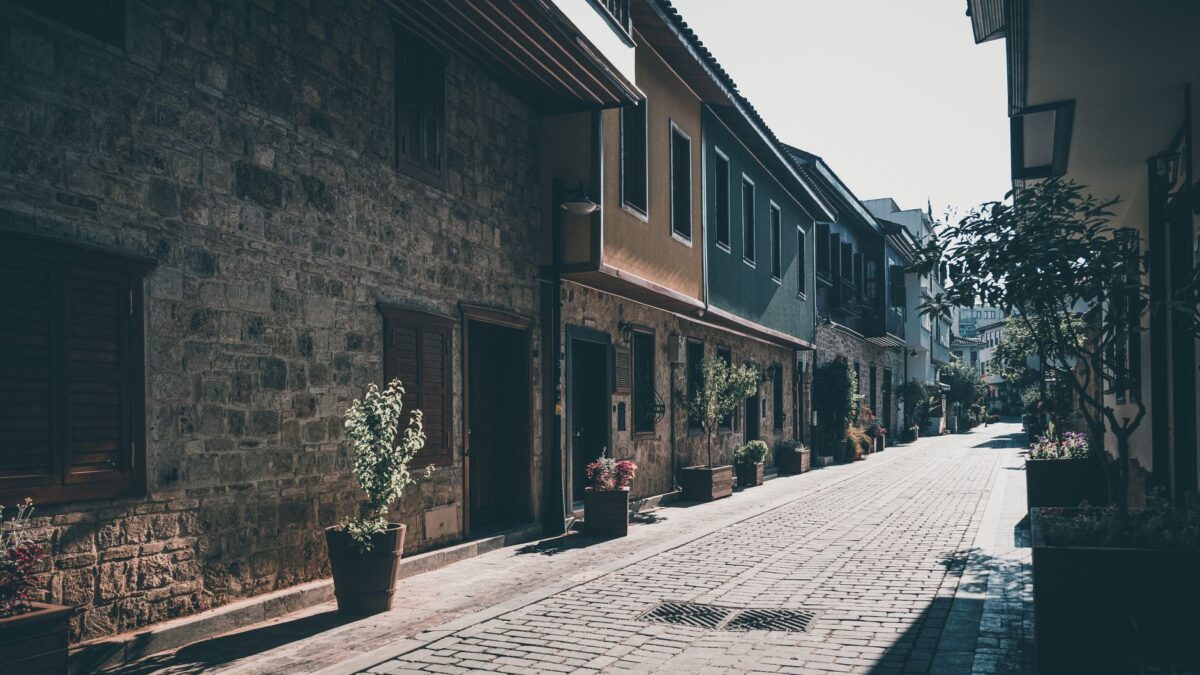
It is early November in Nicosia, and the air has finally lost that heavy, suffocating July weight. The long summer heat has broken, replaced by a crisp chill that demands a jacket after dark, though midday sun still warms the Venetian walls. You are walking through Laiki Geitonia, the historic quarter where coppersmiths’ workshops sit shoulder-to-shoulder with restored townhouses. It is the perfect time to visit: the olive harvest is underway, mandarins and pomegranates spill from market stalls, and the city feels lived-in rather than staged. But as you plan your stay, the question remains: how much will this reality cost you?
Cyprus uses the euro (€), which simplifies things for many travelers, but prices here are not uniform. Nicosia, the working capital, is generally cheaper than the coastal resort of Limassol, yet rents and urban costs are climbing. Based on current data, we can break down what a realistic trip looks like, from backpacker frugality to comfortable mid-range travel.
Accommodation: Where You Sleep Sets Your Budget
In Nicosia, accommodation costs vary drastically depending on whether you prioritize walkability or space. For budget travelers, hostels and guesthouses in the Old Town offer the best value. If you prefer privacy, a modest one-bedroom flat in the city centre currently averages around €700–€720 per month, meaning nightly rates for short stays often start at roughly €50–€70 for basic setups.
For mid-range comfort, consider areas like Strovolos or Aglantzia. These are family-friendly suburbs with better value per square metre than the prestigious Engomi district. Engomi, home to embassies and the University of Nicosia, commands the highest rents and sale prices. If you book a boutique hotel like the Cypriot Swallow Boutique Hotel or the Madama Residence, expect to pay between €80 and €120 per night. A more business-oriented option, such as the Almond Business Hotel, might run slightly less, offering reliable amenities without the tourist premium.
Travelers seeking high-end comfort will find luxury options scattered throughout the centre and near the Archbishop Kyprianos Square. Expect to pay €150+ per night for five-star service. However, for most visitors, the sweet spot is a well-reviewed apartment in Lakatamia or Latsia—areas that are fast-growing, affordable, and close to major transport links like the Limassol highway.
Eating Like a Local vs. Dining Out
Food is where your budget can stretch or shrink dramatically. Cyprus offers incredible value if you eat like a local. An inexpensive meal at a traditional taverna, perhaps trying Fisa & Masa Tavern or To Anamma Traditional Restaurant, will set you back about €15. This usually covers a hearty main course, bread, and water. For everyday street food, a gyros or souvlaki pita lunch ranges from €7 to €12—a cheap, delicious way to fuel up while exploring the pedestrian lanes of Ledra Street.
If you prefer coffee culture over full meals, grab a cappuccino at Two Chimp. Coffee & Cake or Coffee Therapy. Prices hover around €3.26. Supermarket runs are also reasonable: a litre of milk is roughly €1.64, and a fresh 500g loaf of white bread is about €1.75. If you choose to self-cater, you can keep daily food costs under €25.
For a mid-range dinner for two at a nicer restaurant—three courses, no drinks—budget around €60. Nightlife costs are moderate; a pint of local draft beer in a bar is approximately €4.00, while a 0.5L bottle from a shop is just €1.51. If you mix dining out with some supermarket staples, a comfortable daily food budget sits comfortably between €40 and €60 per person.
Getting Around: Buses, Cars, and Construction
Nicosia is not the most walkable city outside its tiny Old Town core, and public transport is the backbone of getting around. As of August 2026, urban bus fares changed significantly. A single paper ticket bought with cash costs €2.70, but using the rechargeable Motion card drops this to €2.00. For longer stays, a 30-day personalized pass is €66.90. The Pame app allows real-time tracking and top-ups, making it essential for navigating the network.
However, be aware that Nicosia is currently undergoing massive infrastructure changes. Major roads in Engomi and Agios Dometios are being resurfaced at night with full closures, and the Ammochostou Avenue junction with John Kennedy Avenue is fully closed for rebuilding, creating daily bottlenecks. Work on a third lane on Strovolos Avenue is also pushing pedestrians onto opposite sidewalks. If you rent a car, these diversions require patience. Taxis are available but can be pricey; relying on the Motion card system is often smoother if you avoid rush hour during these construction phases.
For day trips, the motorway to Larnaca International Airport takes about 45 minutes, while Paphos is over an hour away. Renting a car for intercity travel is recommended for flexibility, costing roughly €30–€50 per day depending on the season.
Attractions and Daily Expenses
Nicosia is a craft city more than a monument city, and many of its best experiences are low-cost or free. Walking through the Laiki Geitonia quarter to see the Chrysaliniotissa crafts quarter is entirely free. Visiting the Leventis Municipal Museum of Nicosia in a restored house on Ippokratous Street is affordable and offers deep insights into colonial-era history. The Cyprus Museum, the island’s flagship archaeological collection, is another must-visit, housing Bronze Age terracottas and votives.
For art lovers, NiMAC (Nicosia Municipal Arts Centre) in a converted power station hosts cutting-edge exhibitions. In November, the city buzzes with cultural events like the Cyprus Composers’ Centre’s New Music Festival at ARTos House or jazz collaborations at Ella Music House. Tickets for these events are typically modest, ranging from €10 to €20.
Daily miscellaneous expenses—souvenirs, park entry fees, or a quick gelato—should be budgeted at €15–€20 per day. If you plan to cross the Green Line via the Ledra Street checkpoint to see the Büyük Han and Selimiye Mosque in north Nicosia, remember to carry your passport; it is required at both checkpoints.
Rough Daily Totals
Here is a realistic breakdown for a traveler spending a week in Nicosia:
- Budget Traveler: €50–€70 per day. Hostel or budget guesthouse, self-catered breakfast, street food lunches, bus travel, and free museum visits. You’ll save by cooking in apartments and avoiding tourist traps.
- Mid-Range Traveler: €100–€140 per day. Private room or boutique hotel, mix of taverna meals and casual cafes, occasional taxi or car rental share, and paid entry to select attractions. This allows for spontaneity and comfort.
- Comfortable Traveler: €180+ per day. High-end hotel, fine dining experiences, private car hire or frequent taxis, guided tours, and shopping. You are paying for convenience and premium service.
Cyprus in November is accessible, beautiful, and surprisingly affordable if you know where to look. By using the Motion card, eating at local tavernas, and exploring the Old Town on foot, you can experience the heart of the island without breaking the bank.
Frequently asked questions
Is Cyprus expensive compared to other European destinations?
Nicosia is generally cheaper than popular coastal hubs like Limassol or international capitals. While rents are rising, daily expenses like food and transport remain reasonable, especially if you use public transit and eat locally.
How much does a meal cost in Nicosia?
An inexpensive meal at a local taverna costs around €15. Street food like souvlaki ranges from €7–€12. A mid-range dinner for two with three courses is approximately €60.
Do I need a visa to enter Cyprus?
Cyprus is in the EU but not Schengen. Visa-required nationals must apply for a Cyprus visa, but holders of valid double- or multiple-entry Schengen visas are admitted. Check specific requirements based on your nationality.
How do I pay for buses in Nicosia?
Use the Motion Card for the best rate (€2.00 per ride). Cash tickets are more expensive at €2.70. You can top up via the Pame app or at designated ticket offices.
What are the current road conditions in Nicosia?
Significant construction is ongoing, including road resurfacing in Engomi and closures at key junctions like Ammochostou Ave. Expect delays and diversions, particularly during rush hours.
Things to do in Cyprus
 Local Guided Dives (for certified/licensed divers)
 Zenobia wreck dives - CERTIFIED DIVERS ONLY!
 Likely to sell out
Cyprus: Mt. Olympus, Troodos Mountains, Monasteries from Paphos
 Scuba Diving Experience (10+ Years) AND Free Edited Video
 Discover Scuba Diving
 Private Jeep Safari Bath of Aphrodite including Adonis Waterfalls