

How much does a trip to Denmark cost?
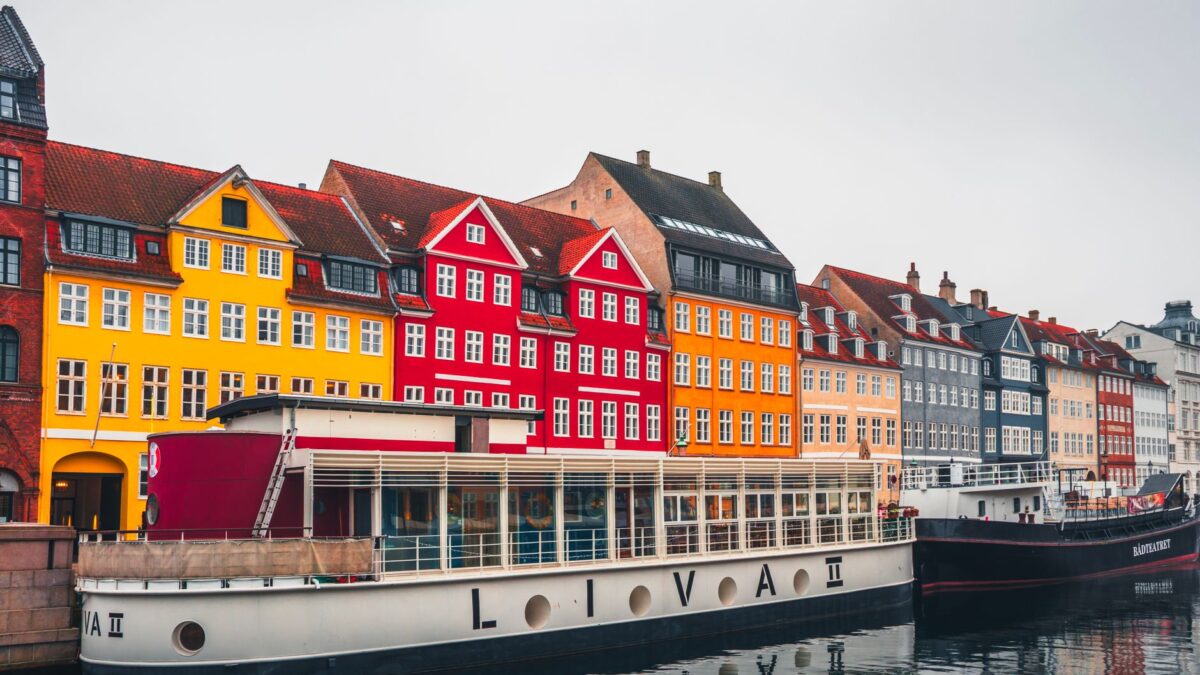
The light is fading fast in late September, the wind whipping off the harbor at a brisk 32 km/h, and the summer terraces are finally thinning out. You are standing on Strøget, Europe’s longest pedestrian street, wrapped in layers against the 13°C overcast sky, wondering if you can afford to stay. Denmark has a reputation for being prohibitively expensive, and frankly, Copenhagen is one of Europe’s priciest capitals. But it doesn’t have to break your bank if you know where to look. As someone who lives here, I can tell you that with a bit of strategy, you can experience the magic of this bike-heavy, workaday city without spending a fortune.
Where You Sleep: The Biggest Line Item
Your accommodation will likely consume the largest chunk of your budget. If you are looking for a modest one-bedroom flat for a longer stay, rents run between 10,000 and 13,500 DKK per month (roughly $1,700 USD), but daily hotel rates vary wildly by district. For a short trip, you want to balance location with price.
Budget travelers should consider Cabinn Copenhagen or Hotel Bethel. These are no-frills, clean, and safe, often located just outside the absolute center but well-connected by metro. Expect to pay around 800–1,000 DKK per night for a single room. If you are willing to trade a few minutes on the train for significant savings, look toward Nordhavn, the newest waterfront quarter. It is still developing, with creative hubs like the BIG HQ, but hotels here can offer better value as the area matures.
Mid-range travelers might prefer the vibe of Vesterbro, the former meatpacking district turned foodie heart. Annex Copenhagen sits right in the middle of the action near Kødbyen, offering stylish rooms without the palace prices of Indre By. Budget roughly 1,500–2,200 DKK per night here. For those seeking comfort, Bryggen Guldsmeden Hotel offers sustainable luxury with excellent breakfasts, running closer to 2,500 DKK or more.
Pro tip: Avoid staying directly in Nyhavn if you want to save money. It is touristy and pricey. Instead, stay in Nørrebro, Copenhagen’s most ethnically diverse district. It is trendy, dense with cafes along Jægersborggade, and feels much more like real life than the polished postcard images.
Eating Like a Local: Skewer vs. Sit-Down
Dining in Copenhagen can be a shock to the wallet if you fall into the trap of ordering wine with every meal. A meal at an inexpensive local place runs about 150 DKK ($22), while a three-course dinner at a mid-range restaurant will set you back 350–400 DKK per person ($55). That adds up quickly for two people—expect to spend 700–800 DKK for a simple sit-down dinner.
However, the real Danish joy is found in its street food and markets. For a budget lunch, head to Torvehallerne, the glass market halls near Nørreport. You can grab a stall lunch or snack for 75–150 DKK ($16). Try the fresh fish or a hearty sandwich. If you want to eat like a true local on the go, hunt down a classic hot dog (pølse med brød) from a sausage cart. They cost only 35–47 DKK ($6) and are surprisingly delicious.
For a mid-range experience, embrace the smørrebrød culture. At a classic lunch spot, an open rye-bread sandwich costs 85–185 DKK each ($20). It is not cheap, but it is a cultural ritual. Alternatively, find a budget sit-down lunch buffet; many workplaces and public eateries offer main courses plus salad for around 79–100 DKK ($13). This is how you stretch your kroner during the day so you can splurge on a coffee later.
Don’t miss: Smagsløget sandwiches in Torvehallerne for high-quality options, or The Olive Kitchen & Bar for a slightly more relaxed mid-range meal. And if you need caffeine, Coffee Collective Torvehallerne is world-class, though you will pay premium prices for it.
Moving Around: Bikes, Metro, and Walking
Transportation in Copenhagen is efficient but zone-based. The DOT network covers metro, S-tog, buses, and harbor buses. A single transit fare for the minimum two zones (75 minutes) is 24 DKK ($3). If you are moving around constantly, buy the City Pass (24–120 hours) or the Copenhagen Card, which includes transport and entry to over 80 attractions. Physical Rejsekort cards are being retired in 2026, so use the Rejsekort app for pay-as-you-go travel, which offers about a 20% discount off-peak.
The best way to see the city, however, is on two wheels. Copenhagen is intensely bike-first. Renting a bike for the day is affordable and allows you to navigate the gridlock-free streets. Remember: never wander into cycle lanes unless you are cycling; bikes have the right of way, and the fines for accidents are steep. Also, always carry a valid ticket. Inspectors are frequent, and a fine on the metro or train is around 750 DKK, while bus fines hit 1,000 DKK.
If you are staying longer, note that a monthly commuter pass (Pendlerkort) for four zones is 865 DKK per 30 days ($65). But for tourists, the app-based system is your friend. The driverless Metro runs 24/7, and the M2 line gets you from the city center to the airport in just 15 minutes.
Attractions: Free Views and Paid Gems
2026 brings some unique events, including the new month-long citywide contemporary dance biennale running through September. While tickets for specific performances vary, many talks and workshops in public spaces are free or low-cost.
For paid attractions, Tivoli Gardens is iconic. Entry is roughly 200–250 DKK depending on the season, but the rides cost extra. Go at night when the lights reflect off the water—it is magical. Rosenborg Slot (Rosenborg Castle), holding the crown jewels, costs around 100 DKK. Nyhavn itself is free to walk, but photos of the colorful houses cost nothing.
Some of the best sights are free. Climb the external spiral staircase of Vor Frelsers Kirke (Church of Our Saviour) in Christianshavn for a 360° view over the harbor (ticket approx. 100 DKK). Walk through Kongens Have (the King’s Garden) behind Rosenborg. Visit Christiansborg Slot (Parliament) and take the elevator to the free panoramic tower. Stroll through Superkilen park in Nørrebro, a vibrant urban space designed by artists.
If you love art, Ny Carlsberg Glyptotek is a masterpiece, famous for its glass-roofed winter garden and Rodin collections. Tickets are around 120 DKK. For a quirky alternative, Museum of Illusions | Copenhagen offers interactive exhibits for about 150 DKK.
Putting It All Together: Daily Budgets
So, what does a realistic day look like? Here are rough totals based on current prices:
- Budget Traveler (≈450–600 DKK/day): Stay in a hostel or budget hotel (Cabinn/Bethel), eat a hot dog and a market snack, use public transit sparingly or rent a bike, and focus on free parks and walking tours.
- Mid-Range Traveler (≈800–1,100 DKK/day): Stay in Vesterbro or Nørrebro, enjoy a proper lunch buffet or smørrebrød, visit Tivoli or Glyptotek, and take the metro occasionally.
- Comfortable Traveler (≈1,500+ DKK/day): Stay in Guldsmeden or central hotels, dine at mid-range restaurants like Maple Casual Dining or Sporvejen, book guided tours, and enjoy multiple paid attractions.
Danish taxes are high, which funds the welfare state, clean streets, and reliable transit. You are paying for quality and safety. Copenhagen is one of the safest big cities in the world, and that peace of mind is worth its weight in gold. Just remember to watch your pockets around Nyhavn and Strøget, and never let the rain dampen your spirits—the hygge is inside, not out.
Frequently asked questions
How much does a typical meal cost in Copenhagen?
An inexpensive local meal costs around 150 DKK ($22), while a three-course dinner at a mid-range restaurant is approximately 350–400 DKK per person. Street food like hot dogs is cheaper at 35–47 DKK.
Is public transportation expensive in Copenhagen?
A single 2-zone fare is 24 DKK. For tourists, the City Pass or Copenhagen Card offers better value for unlimited travel and attraction entry. Monthly passes for residents are around 865 DKK.
What are the cheapest places to stay in Copenhagen?
Budget options include Cabinn Copenhagen, Hotel Bethel, and properties in Nordhavn. Expect to pay 800–1,000 DKK per night for basic accommodations outside the immediate historic center.
Do I need to tip in Denmark?
Tipping is not mandatory as service charges are included. However, rounding up the bill or leaving 5–10% is appreciated for good service in restaurants and bars.
What is the best time to visit to avoid crowds and high prices?
Late September to early November is ideal. The weather turns cooler (13–17°C), the summer tourist rush subsides, and you can enjoy authentic local vibes without peak-season pricing.
Things to do in Denmark
 Private Copenhagen Boat cruise in Scandinavian mahogany boat
 Private Copenhagen Boat Tour: Landmarks and Hidden Gems
 Likely to sell out
Private Copenhagen Family Cargo Bike Tour
Likely to sell out
Private Copenhagen Family Cargo Bike Tour
 Aarhus City Highlights Tour: History, Culture & Street Art
 2-Hour Private Copenhagen Segway Tour - Your own private group
 The Secret to Danish Happiness: Nørrebro Culture & Fairytales