How much does a trip to Ethiopia cost?
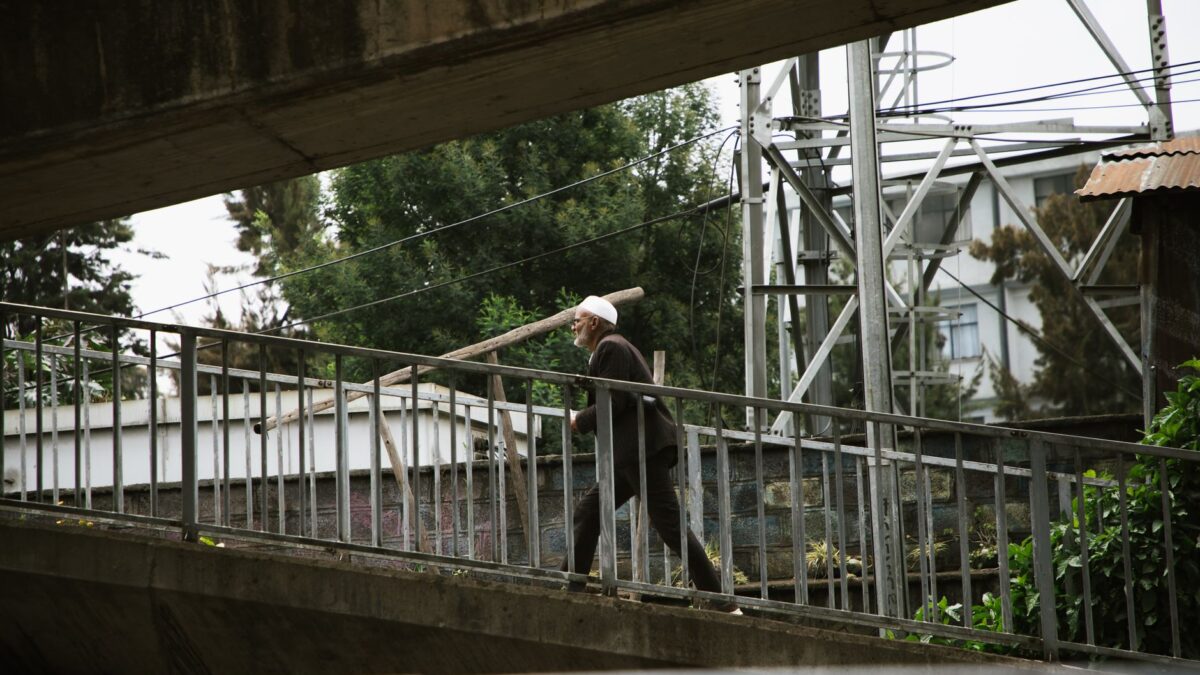
The rain taps a soft rhythm on the tin roof of a Tomoca Coffee counter in Piazza, and the air smells of wet eucalyptus and roasting beans. You’ve just landed in Addis Ababa, the “new flower” planted by Menelik II and Taytu Betul in 1886, and you’re already wondering: what will this actually cost me? Let’s be honest—after the 2024 birr float and inflation running at 13.2%, the old “Ethiopia is dirt cheap” stories are outdated. But with a little planning, you can still eat well, sleep safely, and see Lucy (Dinkinesh, 3.2 million years old) without emptying your wallet. Here’s the real breakdown, in birr (ETB) and with occasional dollar signs for my American listeners.
Where you’ll sleep: from hostel bunks to Sheraton views
Addis is a city of contrasts, and accommodation follows suit. The market-rate rent for a modest one-bedroom flat is around 25,000–50,000 Br (≈ $690) a month, but that assumes you’re staying long-term. For travelers, short-term options are more flexible.
Budget: You can find guesthouses and hostels in districts like Piazza (the historic, Italian-era center) or Old Airport for about 1,500–2,500 Br per night (≈ $30–50). These are basic but clean, often with shared bathrooms. Expect thin walls and the call to prayer from a nearby mosque as your alarm.
Mid-range: Hotels like Ag Palace Hotel | Hayahulet or Shitaye Suite Hotel run 3,000–6,000 Br (≈ $60–120) per night. You’ll get a private bathroom, hot water (mostly), and a breakfast that includes the essential Ethiopian bread and eggs. In Kazanchis, the diplomatic quarter, you can find similar prices near the African Union HQ.
Comfortable: If you want to splash out, Jano Hotel or Crescent International Hotel offer rooms from 8,000–15,000 Br (≈ $160–300). The Sheraton and Hilton in Kazanchis will push you higher, but you’re paying for the pool and the certainty of Wi‑Fi.
Eating: genfo to kitfo, and coffee that changes lives
Food is where you’ll feel the inflation most, but it’s still a bargain compared to Paris. Start your day with a street breakfast: genfo (porridge) or ful (fava beans) with bread will cost 80–150 Br (≈ $2.1). Grab a coffee at Tomoca Coffee (the original since 1953) or YeGesha Specialty Cafe & Roastery for 75–225 Br (≈ $2.7). A macchiato at a nicer place like Solina Coffee | Tewodros Square might hit the high end.
For lunch, a simple local plate of shiro wot or tibs on injera will set you back 180–350 Br (≈ $5). If you want a sit-down meal with pasta or a mixed platter, popular cafes like Meskott Culinary Experience or Union Restaurant and Cocktail Bar charge 250–500 Br (≈ $7). Dinner is your biggest splurge: a mid-range restaurant’s mixed injera platter (with doro wat, kitfo, and all the sides) costs 400–800 Br (≈ $11). For a special night, Little Paris in Bole or Cravings Restaurant & Bar can run you 1,000 Br or more, but you’re paying for ambiance.
Drinks: A local beer (St. George or Harar) is about 200 Br (≈ $4). Don’t miss the honey wine, tej, at a traditional tej bet—it’s sweet, potent, and costs about the same.
Getting around: buses, light rail, and app taxis
Addis is sprawling, but transport is cheap. The Anbessa city bus costs under 10 Br (≈ $0.2) per ride—yes, that’s less than a quarter. The Addis Ababa Light Rail Transit (LRT) is a modern marvel; a ride across town is 10–20 Br. You’ll need a prepaid card from any station.
For door-to-door, use the Ride or ZayRide app taxis—think Uber but local. A short hop within Bole is 200–400 Br (≈ $4–8). From Bole International Airport to Piazza, expect 600–1,000 Br (≈ $12–20). Negotiate with yellow taxis, but prefer the apps for safety, especially at night.
If you’re staying in Bole (the expat-heavy commercial artery), you can walk to many cafes and restaurants; if you’re in Piazza, you’re close to the historic sights but will need a taxi to get to the museum or Shiro Meda.
Sights and experiences: from Lucy to the Mercato maze
Addis is rich in culture, and many attractions are refreshingly cheap. The National Museum of Ethiopia, home of Lucy (Dinkinesh), charges about 200 Br (≈ $4) for foreign visitors—a steal. Unity Park (on the palace grounds) is more expensive at 500–1,000 Br, but it’s a beautiful introduction to Ethiopian history. The Red Terror Martyrs’ Memorial Museum is free (donations encouraged) and crucial for understanding modern Ethiopia.
For a panoramic view, climb Mount Entoto (about 3,000 m) and visit Entoto Maryam Church and Menelik II’s palace. Entry is a modest 100–300 Br, and the eucalyptus forest is a breath of fresh air—literally. On Sundays, the Shiro Meda textile market is a riot of color; you’ll find handwoven scarves for 200–800 Br, but haggle.
Don’t miss Mercato, Africa’s largest open-air market with over 13,000 traders. It’s chaotic, overwhelming, and wonderful—but go with a guide to avoid getting lost (and pickpocketed). A local guide costs 300–500 Br for a few hours. For modern art, head to Zoma Museum or the Ethiopian Science Museum, both with entry under 200 Br.
Daily totals: what you’ll actually spend
Here’s a realistic day-by-day breakdown, including accommodation, food, transport, and one attraction:
- Budget traveler: Guesthouse (1,800 Br) + street food (300 Br) + bus/LRT (20 Br) + National Museum (200 Br) = ~2,320 Br (≈ $46). That’s a base, but you’ll need to eat simple and walk a lot.
- Mid-range: Hotel (4,000 Br) + cafe meals (800 Br) + app taxi (500 Br) + Unity Park (700 Br) = ~6,000 Br (≈ $120). This is the sweet spot for most travelers.
- Comfortable: Jano Hotel (10,000 Br) + nice dinners (1,500 Br) + private driver (1,000 Br) + guided tour (1,000 Br) = ~13,500 Br (≈ $270). You can add a massage or a jazz night at a Kazanchis bar.
These are per person, assuming double occupancy for hotels. If you’re splitting costs, mid-range drops to ~4,500 Br per person.
Practicalities: visas, SIM cards, and cash
Before you come, apply for a visa online at evisa.gov.et (tourist visa, 30/90 days) or get visa-on-arrival at Bole International Airport (many nationalities, single-entry ~USD 52–82, paid in USD). Your passport must have 6 months validity and 2 blank pages. A yellow-fever certificate is required.
For connectivity, buy a SIM from Ethio Telecom or Safaricom Ethiopia (launched 2022) at the airport—bring your passport. A 10 GB data plan costs about 500–800 Br (≈ $10–16). Mobile money is via Telebirr or M‑PESA.
Cash is king here. The economy is cash-heavy, so carry birr. ATMs at the Commercial Bank of Ethiopia (the largest, with branches everywhere, including Meskel Square) are reliable. If you stay longer, you’ll need to register for a residence permit, get a TIN from ERCA, and register at your local kebele—your landlord can help.
The bottom line
Addis Ababa is not the “cheap” destination it was a decade ago, but it’s still a bargain for what you get: world-class history, unique cuisine, and the warmth of a city that has never been colonized. Plan for 2,500–3,500 Br (≈ $50–70) per day for budget backpacking, 6,000–8,000 Br (≈ $120–160) for mid-range comfort, and 13,000+ Br (≈ $270+) if you want the Sheraton lifestyle. Add a buffer for the inevitable coffee ceremony (Abol, Tona, Baraka—three rounds) and a bottle of tej.
One last tip: the rain showers in August are persistent but light—bring a good jacket and you’ll be fine. And when you’re in Mercato, keep your wallet in your front pocket. You’ll leave with memories, not regrets.
Frequently asked questions
How much does a budget trip to Ethiopia cost per day?
With a guesthouse (around 1,800 Br), street food (300 Br), and public transport (20 Br), you’ll spend roughly 2,320 Br (≈ $46) per day in Addis Ababa, including one attraction like the National Museum.
Is it safe to use ATMs in Addis Ababa?
Yes, ATMs at major banks like the Commercial Bank of Ethiopia, Awash, and Dashen are reliable. However, the economy is cash-heavy, so withdraw birr regularly and keep small notes for taxis and markets.
Do I need a visa to visit Ethiopia?
Most visitors need a visa. Apply online at evisa.gov.et (tourist visa, 30/90 days) or get visa-on-arrival at Bole International Airport for many nationalities (single-entry ~USD 52–82, paid in USD). You’ll also need a yellow-fever certificate.
What is the best way to get around Addis Ababa?
For budget, use the Anbessa buses (under 10 Br) and the Light Rail Transit (10–20 Br). For door-to-door, use the Ride or ZayRide app taxis—safer at night and worth the 200–400 Br per trip.
Is it expensive to eat out in Addis Ababa?
No. A street breakfast of genfo or ful costs 80–150 Br, a local lunch of shiro wot on injera is 180–350 Br, and a mid-range dinner platter runs 400–800 Br. A local beer is about 200 Br.
Things to do in Ethiopia
 Omo Valley Tours from Jinka
 Special offer
Addis Ababa- Guided city tour with museum and market
Special offer
Addis Ababa- Guided city tour with museum and market
 Addis Ababa City Tours Full Day With Hotel Pickup And Drop Off.
 Addis Ababa: Customizable Food, Markets, Coffee & Culture Tour
 Discover Addis Ababa:Museums,Churche,Markets,Landmarks & Coffee
 3-Day Arba Minch & Konso: Culture, Wildlife & Local Tour