

How much does a trip to Fiji cost?
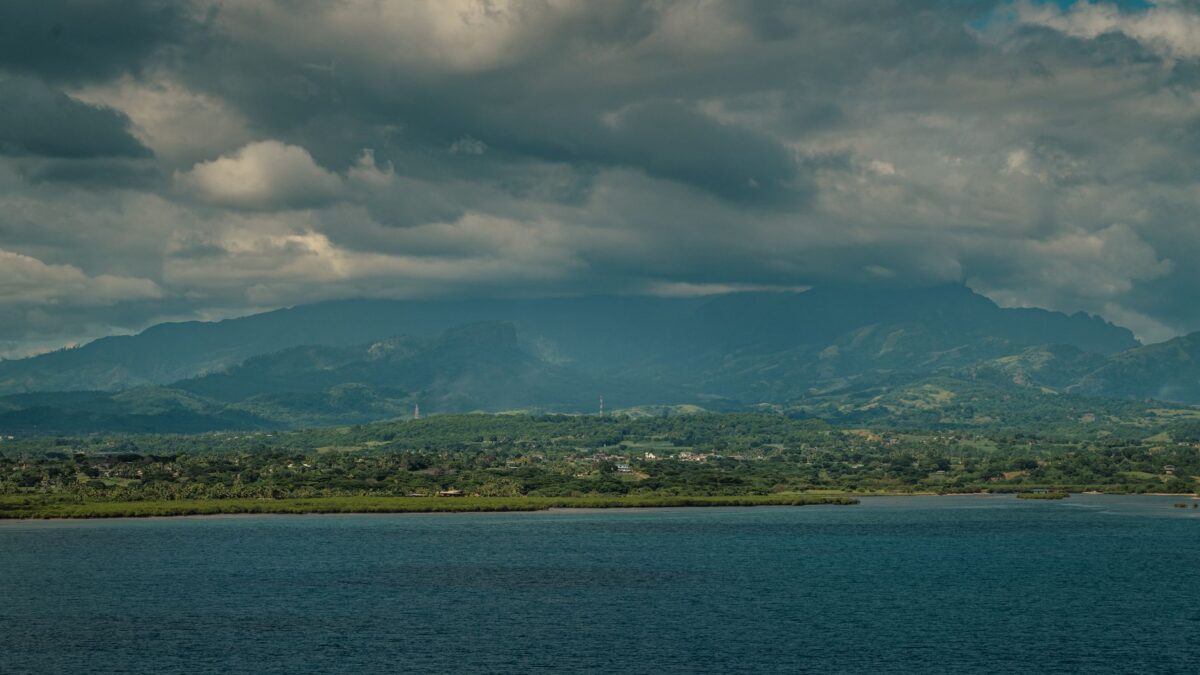
There is a specific kind of humidity that clings to Suva in late September—a warm, breezy embrace that feels less like weather and more like an invitation. The drizzle has just stopped, leaving the colonial facades of Victoria Parade glistening under a pale sky. You are standing near the Suva Municipal Market, the scent of roasting corn and fresh coconut mixing with the salt air from the harbor. This is not the sterile paradise of the resort islands; this is the beating heart of Fiji, where the cost of living is tied to the rhythm of the buses and the generosity of local hands. If you are wondering how much it takes to live here, even for a week, the answer is surprisingly manageable, provided you know where to look.
The Real Cost of Staying Put
Accommodation in Suva varies wildly depending on whether you want the heritage charm of the waterfront or the practical comfort of a local guesthouse. For those seeking a mid-range experience, you can find a comfortable night at places like the Grand Pacific Hotel or the Toorak Central for roughly FJD 150–320 per night. These spots anchor the city’s history, often sitting within walking distance of the Old Town Hall and the Carnegie Library.
If you prefer something more intimate or budget-conscious, consider the Peninsula International Hotel or smaller stays in the Toorak district. Toorak was once the most desirable suburb, named after Melbourne’s equivalent, but today it flips socially—offering cheap rentals, downmarket eateries, and authentic kava saloons. A modest one-bedroom flat outside the city centre rents for around FJ$733 a month, suggesting that nightly rates for short-term stays can be negotiated if you speak to locals directly, though online bookings will run you closer to the mid-range figures mentioned above.
Eating Like a Local Without Breaking the Bank
Food in Suva is where your budget truly shines. The city is an Indo-Fijian culinary powerhouse. You do not need to spend big to eat well. A meal at a mid-range restaurant, such as My Kai Restaurant or Siam Hut, will cost you approximately FJ$33 (about US$15) per person. This price gets you a hearty plate of roti and curry, or perhaps some fresh kokoda—raw fish cured in lime and coconut cream.
For the true local experience, head to the Suva Municipal Market. Here, you can grab fresh produce, handicrafts, and street food for fractions of the restaurant price. While I could not verify exact current prices for every item, a simple breakfast of bread and coffee, or a lunch of palusami (taro leaves wrapped around coconut cream), will likely cost you under FJ$10. Avoid the tourist traps on the main drag and walk toward Thurston Gardens; the cafes along the perimeter, like Moments Cafe, offer a respite with reasonable prices and shaded seating among the royal palms.
Getting Around: Buses, Taxis, and E-Tickets
Transport in Suva is efficient and inexpensive, but it requires a slight adjustment to how you pay. Cash is disappearing from the bus system. Urban buses have moved to cash-free e-ticketing using operator-issued top-up cards. You must sort this card out early at the Suva Bus Stand, right by the Municipal Market. A single local bus fare (Stage 1) is about FJ$1.02. This base fare was reverted in September 2026 after a temporary hike, so check the signage at the stand.
If you are heading to the outskirts, such as the Colo-i-Suva Forest Park for its waterfall trails, you might need a taxi or a mini-van. Taxis fill the gaps where buses do not run. Be prepared to negotiate fares for longer trips, as there is no standard metered rate for inter-district travel. Always agree on a price before getting in. For day-to-day movement within the CBD, the walkable grid between Sukuna Park and the waterfront is free and scenic.
Attractions: Culture and Nature on a Budget
Many of Suva’s best offerings are low-cost or free. The Fiji Museum, located in Thurston Gardens, holds the world’s most extensive collection of Fijian artefacts and an Indo-Fijian gallery. Entry is nominal, supporting the institution’s research into archaeology and oral tradition. Walking through Thurston Gardens itself is free, offering a lush escape from the urban heat.
Nature lovers should prioritize Colo-i-Suva Forest Park. It is the default weekend green escape for locals, with trails leading to swimming holes and waterfalls. Entry fees are minimal, mostly covering parking. For a cultural perspective, visit Sukuna Park for classic ocean-and-mountain views, or explore the Shree Laxminarayan Temple and Sacred Heart Cathedral, which stand as testaments to the city’s religious mix. If you are visiting in late September, you might catch the tail end of the dry season breezes, making these outdoor excursions particularly pleasant.
Daily Budget Breakdown
So, what does a realistic daily total look like? Here is a rough estimate based on current local prices:
- Budget Traveler (FJ$40–60/day): Stay in a hostel or basic guesthouse in Toorak (approx. FJ$50/night if booked locally), eat at market stalls or small cafes (FJ$10/day), use the bus (FJ$2/day for two trips), and enjoy free parks/museum visits.
- Mid-Range Traveler (FJ$150–250/day): Stay in a mid-range hotel like the Grand Pacific or Peninsula (approx. FJ$200/night), dine at restaurants like Paradiso or Crazy Bites (FJ$40/day), take occasional taxis (FJ$20/day), and pay for minor attractions or guided tours.
- Comfortable Traveler (FJ$300+/day): Stay in premium accommodations, dine at high-end venues like The Hideout, hire private transport for day trips to Navua River or Pacific Harbour, and include paid experiences like shark dives at Beqa Lagoon.
Remember, Fiji is a developing economy with a GDP per capita of around $6,642. Prices are moderate compared to Western nations, but inflation can fluctuate. Always carry small change for buses and market purchases. And if you are staying longer, note that obtaining a TIN (Tax Identification Number) from the Fiji Revenue and Customs Service is essential for any legal work or long-term rental agreements, as visitor permits cannot be converted to work permits in-country.
Frequently asked questions
How much does a mid-range hotel cost in Suva?
A night in a mid-range hotel or comfortable guesthouse in Suva typically costs between FJD 150 and 320 per night.
Can I pay for buses with cash in Suva?
No, Suva’s urban buses have moved to cash-free e-ticketing. You need to purchase a top-up card at the Suva Bus Stand near the Municipal Market.
What is a typical cost for a meal in Suva?
A meal at a mid-range restaurant costs approximately FJ$33 (US$15) per person, while market food and street eats are significantly cheaper.
Do I need a visa to enter Fiji?
Citizens of visa-exempt countries (US, UK, EU, etc.) receive a Visitor Permit on arrival for up to 4 months, extendable by 2 months.
Things to do in Fiji
 Vavavi - Fijian Cooking & Cultural Experience
 Special offer
Private Arrival Transfer - Nadi Airport to Hotel
Special offer
Private Arrival Transfer - Nadi Airport to Hotel
 CFC Approved Private Arrival Transfer - Nadi Airport to Maui Bay Properties
 Extreme 12000ft Tandem Jump (45 seconds free fall)
 Coral Coast, Fiji - Airport to hotels. Transfer
 ''Coral Coast Adventure: Biausevu Waterfall & Natadola Beach !''