

How much does a trip to Georgia cost?
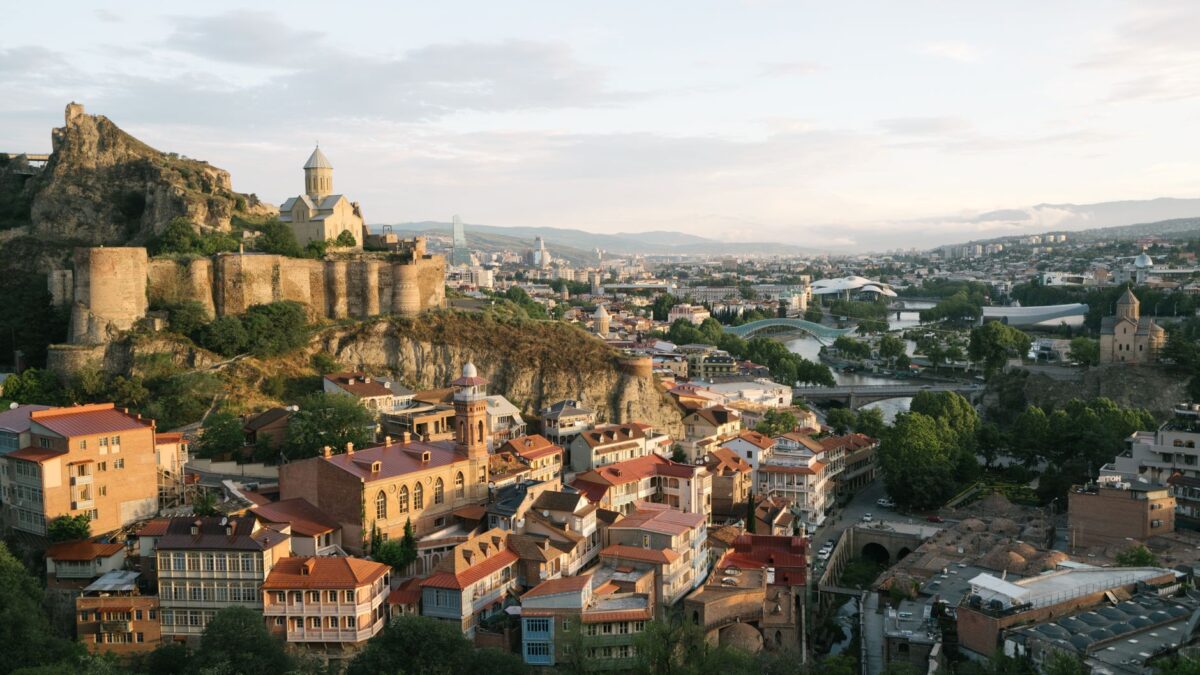
It is late September in Tbilisi, and the air has that specific crispness that only comes when the summer heat finally breaks. The streets are already filling with the scent of roasting chestnuts and fresh grapes, as the Rtveli harvest begins to spill out onto sidewalks. You might be hearing whispers about a gastroenteritis outbreak among local children or seeing the metal barriers on Rustaveli Avenue from the daily protests, but these are merely the texture of a living city, not reasons to hesitate. What you should be thinking about is how far your money will stretch here.
Tbilisi remains one of Europe’s most generous capitals for your wallet, though the gap between tourist-centric spots and local dukanis (corner shops) is widening. As I walk through the Old Town under Narikala Fortress, watching the sunset hit the golden domes, I see tourists paying premium prices for views while locals sip 6-lari beers just blocks away. Let’s break down what it actually costs to live, eat, and move through this city like a resident, using real figures from the ground.
Accommodation: Where to Park Your Bags
Your budget starts with where you sleep. Tbilisi is split by the Mtkvari River, and each side offers a different vibe—and price point. If you want to be in the thick of the historic action, look at Old Town (Kala). It is charming, filled with carved wooden balconies and sulfur-bath domes, but rents have climbed. Expect to pay around 1,200–1,850 GEL per month for a modest flat depending on whether it is in the center or slightly outside.
For a better balance of cost and atmosphere, consider Sololaki, the Art Nouveau quarter behind Freedom Square, or Avlabari on the east bank. Avlabari is historically Armenian, home to the colossal Holy Trinity Cathedral (Sameba), and often offers the cheapest central rents. If you prefer leafy, quiet streets with embassies and parks, Vake is upscale but manageable. For short stays, boutique hotels like the Alma Boutique Hotel or the design-forward GRIFFIN HOTEL in Sololaki offer comfort without the luxury tax of the Swissôtel.
Daily Budget Tip: If you are staying for a week, booking an apartment via local platforms can drop your nightly rate significantly compared to international chains. A modest 1-bedroom outside the center averages roughly 40 GEL per night if rented monthly, but for a single night, expect 50–70 GEL for a clean, simple room.
Eating Like a Local vs. Tourist Trap
This is where Georgia shines. You do not need to spend much to eat incredibly well. The signature dishes—khachapuri (cheese bread) and khinkali (steamed dumplings)—are affordable staples, not luxury items.
- The Dukan Experience: Grab a loaf of lobiani (bean bread) for 3–5 GEL or a warm Imeretian khachapuri from a bakery for 5–8 GEL. This is lunch for a day.
- Khinkali Feast: Five steamed meat dumplings at a local spot run about 5–10 GEL total. Eat them with your hands, don’t sip the broth, and feel the joy.
- Mid-Range Dinner: If you sit down at a restaurant like Ranina Georgian Restaurant or Restaurant Hide for a shared spread, plan for 25–50 GEL per person. You will get wine, bread, and perhaps a bottle of house red for less than the cost of a meal elsewhere.
- Coffee Culture: Tbilisi has a booming cafe scene. A cappuccino at Lui Coffee or CITYHIKERS Specialty Coffee will set you back 7–9 GEL. It is cheap enough to enjoy two a day while planning your next hike.
Avoid the pedestrianized stretches of Aghmashenebeli Avenue near Station Square if you want local prices; you will find inflated menus there. Instead, wander into the side streets of Chugureti or Marjanishvili, near the Fabrika complex, where food is cheaper and fresher.
Moving Around: Transit and Transport
Getting around Tbilisi is shockingly inexpensive. The city relies on a mix of metro, buses, and marshrutkas (minibuses). The key is the MetroMoney card. You pay a 2 GEL refundable deposit at any metro cashier, and then every ride—metro, bus, or cable car—costs just 1 GEL. Transfers within 90 minutes are free. Foreigners can also use contactless bank cards directly at the turnstiles, though this may cost slightly more (around 1.5 GEL per ride).
If you are moving across the center for about 10 minutes, a Bolt taxi ride will cost you roughly 4–7 GEL. The base fare is low, making taxis viable even for short hops if you are tired. Public transport runs from 6am to midnight, and the airport bus (route 337) connects the terminal to the city center efficiently.
Pro Tip: If you are staying long-term, buy a Blue Travel Card pass for 40 GEL/month. It covers unlimited travel and pays for itself after just 40 rides. For the Mtatsminda funicular, you need a separate park card, but the view of the city from the top is worth the few lari.
Attractions and Hidden Costs
Many of Tbilisi’s best sights are free or very cheap. Walking through the Bridge of Peace and Rike Park is complimentary. Hiking up to Narikala Fortress and the Kartlis Deda statue costs nothing, though the cable car from Rike Park adds a small fee. The Dry Bridge Market is a treasure trove for Soviet-era bric-a-brac, old maps, and cameras; bargaining is expected, and entry is free.
The Georgian National Museum on Rustaveli Avenue holds world-famous artifacts, including the 1.8-million-year-old Dmanisi hominid skulls. Tickets are reasonably priced, often under 10 GEL for foreigners. Cultural events like the Fifth Tbilisi Architecture Biennial or screenings at the European Cine Tour at Ilia State University are often free or donation-based, adding rich cultural depth without draining your purse.
Be mindful of demonstrations. While protests near Parliament are generally peaceful, they can disrupt traffic and metro access. Check local news before heading to Rustaveli Avenue during peak protest days.
The Bottom Line: Daily Totals
Here is a realistic snapshot of what you might spend per day in Tbilisi, based on current rates:
- Budget Traveler (Backpacker): 40–60 GEL/day. Stay in a hostel or cheap guesthouse (~30 GEL), eat khinkali and bread from dukani (~10 GEL), use public transit (1 GEL).
- Mid-Range Traveler: 80–120 GEL/day. Private room or small apartment (~50 GEL), nice dinner at a mid-range restaurant (~30 GEL), occasional taxi or coffee (~10 GEL).
- Comfortable Traveler: 150+ GEL/day. Boutique hotel (~80 GEL), fine dining or varied meals (~50 GEL), private transfers or multiple taxis (~20 GEL).
Georgia is forgiving with its currency. The lari (GEL) goes further here than almost anywhere else in Europe. Just remember to carry cash for small purchases, keep your MetroMoney card topped up, and never miss a chance to try churchkhela (walnut-and-grape syrup candy) from a roadside stall. Welcome to Tbilisi—enjoy the warmth.
Frequently asked questions
Is Tbilisi expensive for tourists in 2026?
No, Tbilisi remains one of Europe's cheapest capitals. A full local meal costs around 20–25 GEL, and a metro ride is just 1 GEL, though central district rents and tourist-trap restaurants have risen slightly.
How much does a taxi cost in Tbilisi?
A short 10-minute ride across the center via Bolt typically costs 4–7 GEL. The base fare is low, making it a cheap alternative to public transport for groups or late nights.
Do I need a visa to enter Georgia?
Citizens of ~95 countries, including the US, UK, and EU, enter visa-free for 365 days. Others may need an e-visa. Since January 2026, all visitors must carry travel/health insurance covering their stay.
What is the best way to pay for public transport?
Buy a MetroMoney card for a 2 GEL deposit. Each ride (metro, bus, cable car) costs 1 GEL with free transfers within 90 minutes. Contactless foreign bank cards also work at turnstiles.
Are there safety concerns regarding health in Tbilisi?
While generally safe, recent reports indicate a gastroenteritis outbreak linked to norovirus affecting kindergarten children. Standard hygiene precautions are advised, and the city is otherwise low-violence-crime.


