

How much does a trip to Ghana cost?
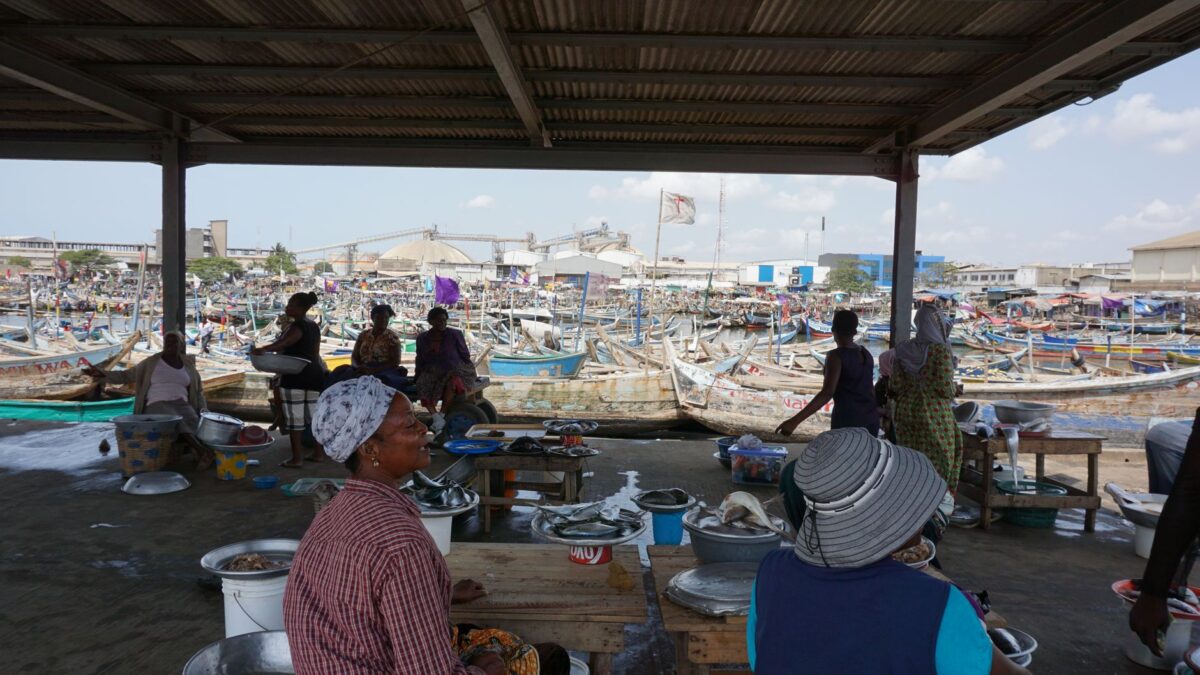
The air in Accra is thick enough to wear. It’s mid-October, and the humidity sits at a sticky 37°C feel, pressing down on the Greater Accra Region as heavy showers dump rain over the city in short, violent bursts. If you are standing near Black Star Square right now, you might be shoulder-to-shoulder with thousands of delegates attending the Triennial World Assemblies of God Congress, or perhaps dodging the traffic diversions caused by storm-drain construction on the Dr Busia Highway. But once the rain stops and the dust settles, the real question for any traveler landing at Kotoka International Airport isn’t just ‘what will I see?’ but ‘how much will this cost me?’
Ghana is not cheap. Accra has become one of the most expensive cities in West Africa, with rents and food prices rising sharply in 2025 and 2026. The cedi (GHC) hovers around 11.02 per US dollar, but that headline number hides a reality where inflation runs at 14.2% and the minimum wage struggles to keep up with daily living costs. As Ama Boateng, who has lived through these economic shifts and navigated these streets for years, I am going to give you the unvarnished truth about your budget.
Where You Sleep: The Biggest Line Item
Your accommodation choice defines your trip’s cost curve. In Accra, you are paying for security, reliable power, and air conditioning—amenities that are often compromised outside of established hotels due to ongoing grid issues, like the recent transformer failure at GRIDCo’s Mallam substation that left parts of Lapaz and Awoshie in the dark.
Budget Travelers: You can find modest guesthouses or shared spaces in outer districts like Madina, Adenta, or Dome. Monthly rent for a simple one-bedroom here averages GH₵1,200–2,500 (about $170), which translates to roughly GH₵40–85 per night if you book short-term stays or homestays. These areas are local, vibrant, and far from the tourist hubs, but you must be prepared for basic amenities and occasional supply interruptions.
Mid-Range Comfort: This is the sweet spot for most visitors. A night in a reputable mid-range hotel or guesthouse in safer, central neighborhoods costs between GH₵1,300 and GH₵2,700 (approx. $180). Look toward the Airport Residential Area or East Legon. Here, you get consistent electricity, secure parking, and proximity to places like the Accra Mall or A&C Mall. Hotels like Esther’s Hotel or Villa Victoria Executive Guest Lodge offer solid value in this bracket.
Comfortable/Luxury: If you want to stay in the diplomatic belt of Cantonments or Labone, expect to pay significantly more. Upscale serviced apartments and international chain hotels in these leafy, professional enclaves will set you back well above GH₵2,700 per night. You are paying for the peace of mind that comes with being in an area with robust security and high-end dining options like Le Petit Oiseau.
Eating Like a Local vs. Eating Like a Tourist
Food in Ghana is incredibly affordable if you know where to look, but it scales up quickly in expat-friendly zones. The key is understanding the difference between a ‘chop bar’ and a sit-down restaurant.
The Street Food Experience: This is where your budget stretches furthest. A plate of waakye (rice and beans) from a street vendor in Osu or Jamestown will cost you only GH₵15–25 (about $1.80). For something heartier, a bowl of fufu with light soup and meat at a local chop bar runs about GH₵50+ ($5). If you visit the Osu Night Market or Oxford Street after dark, you can enjoy a variety of grilled skewers and drinks for roughly GH₵30–50 ($4) per person. Even a simple ball of kenkey with fish sides costs just GH₵5–7 ($0.50).
Sit-Down Dining: If you prefer air-conditioned comfort and table service, prices jump. A meal at a mid-range restaurant, complete with a drink, will cost you GH₵80–150 ($10). Venues like Tribeca Ghana or Zen Garden cater to this market. While still reasonable by Western standards, eating exclusively at these establishments will double your daily food budget compared to street food.
Daily Food Totals:
- Budget: GH₵50–80 ($7–11) — Relying on street food, breakfast pastries (a loaf of bread is ~GH₵12), and bottled water.
- Mid-Range: GH₵150–250 ($20–35) — Mix of street snacks and two sit-down meals.
- Comfortable: GH₵400+ ($55+) — Fine dining, cocktails, and imported goods.
Getting Around: Trotros, Taxis, and Traffic
Accra has no metro system. Your mobility options are defined by the road network, which is currently congested due to major infrastructure projects. The westbound carriageway of the Dr Busia Highway is closed at Pamprom Junction, forcing long diversions through Kaneshie and Awudome until late 2026. During events like the African Minerals Policy Forum or MoMo Fest, traffic around the Sports Stadium and Destiny Arena becomes gridlocked.
The Cheap Way (Trotro): Shared minibuses are the backbone of Accra transport. A short trip across town costs only GH₵5–8 ($0.60). However, they are cash-only, rarely have AC, and can be chaotic for first-timers. The branded BRT service, Aayalolo, uses a prepaid smartcard but covers very few corridors.
The Convenient Way (Ride-Hailing): For safety and ease, use Bolt or Yango. A typical cross-town ride in areas like Osu or East Legon costs GH₵30–50 ($4). This is the recommended mode for travelers who want to avoid the stress of navigating peak-hour traffic or dealing with cash changes.
Transport Budgets:
- Budget: GH₵20–30 ($3–5) per day — Mostly trotros and walking.
- Mid-Range: GH₵80–120 ($11–17) per day — Mix of ride-hailing and some trotros.
- Comfortable: GH₵200+ ($28+) per day — Private driver or exclusive ride-hailing for all trips.
Attractions and Hidden Costs
Many of Accra’s historical landmarks are surprisingly affordable or free. Walking around Black Star Square, visiting the Kwame Nkrumah Memorial Park, or exploring the fishing village vibes of Jamestown costs nothing but time. Entry to the National Museum of Ghana is nominal, usually under GH₵20.
However, there are hidden costs. Mobile money (MTN MoMo) is king; carrying small denominations is essential. Also, remember that many vendors may quote prices in dollars if they sense you are foreign—always insist on cedis. If you plan to visit La Pleasure Beach, note that recent military demolitions have displaced businesses there, so check current access status before heading out.
Activity Budgets:
- Budget: GH₵10–20 ($1.50–3) — Free sites, local market browsing.
- Mid-Range: GH₵50–100 ($7–14) — Guided tours, entrance fees to zoos or galleries, plus souvenirs.
- Comfortable: GH₵200+ ($28+) — Private guided experiences, boat trips, or event tickets.
The Bottom Line: Daily Totals
So, how much do you need in your pocket? Here is a realistic breakdown for a solo traveler in October 2026:
- Budget Traveler: GH₵120–180 ($17–26) per day. You sleep in a dorm or basic guesthouse, eat street food, and use trotros. You will experience the raw, energetic pulse of Accra but sacrifice comfort.
- Mid-Range Traveler: GH₵350–500 ($50–72) per day. You stay in a clean, secure hotel in Osu or East Legon, eat a mix of local and restaurant food, and use Bolt for transport. This offers the best balance of safety, comfort, and authenticity.
- Comfortable Traveler: GH₵800+ ($115+) per day. You stay in a luxury serviced apartment, dine at upscale venues, hire private drivers, and enjoy premium experiences.
Remember, Accra is a city of contrasts. It is expensive, yes, but it is also generous. Whether you are dodging the rain in Jamestown or celebrating at a gospel rally in the stadium, your budget will determine your comfort, but it won’t limit your ability to connect with the warmth of the people. Plan wisely, carry cash, and enjoy the journey.
Frequently asked questions
Is Ghana expensive for tourists in 2026?
Accra is one of the most expensive cities in West Africa. While street food is cheap (GH₵15–25), mid-range hotels and ride-hailing services have seen sharp price increases. Expect to spend at least GH₵350 ($50) per day for a comfortable mid-range experience.
How much does a taxi or ride-hailing trip cost in Accra?
A short cross-town trip using Bolt or Yango typically costs GH₵30–50 ($4–7). Shared minibuses (trotros) are much cheaper at GH₵5–8, but require cash and local knowledge.
What is the best area to stay in Accra for first-time visitors?
Osu (specifically Oxford Street) is ideal for nightlife and dining, while East Legon and the Airport Residential Area offer safer, modern accommodations closer to expat amenities and malls like Accra Mall.
Do I need to register for a Ghana Card if I am visiting?
Foreigners resident in Ghana for 90 days or more in a calendar year must register for the Non-Citizen Ghana Card. It costs approximately US$120 and is required for banking and SIM registration.
Are there extra costs for visas or vaccinations?
Most nationalities need a visa obtained beforehand (US$60–100). Yellow fever vaccination is mandatory for all travelers over 9 months. Visa-on-arrival fees are roughly US$150 cash and require prior application by a host.


