

How much does a trip to Greece cost?
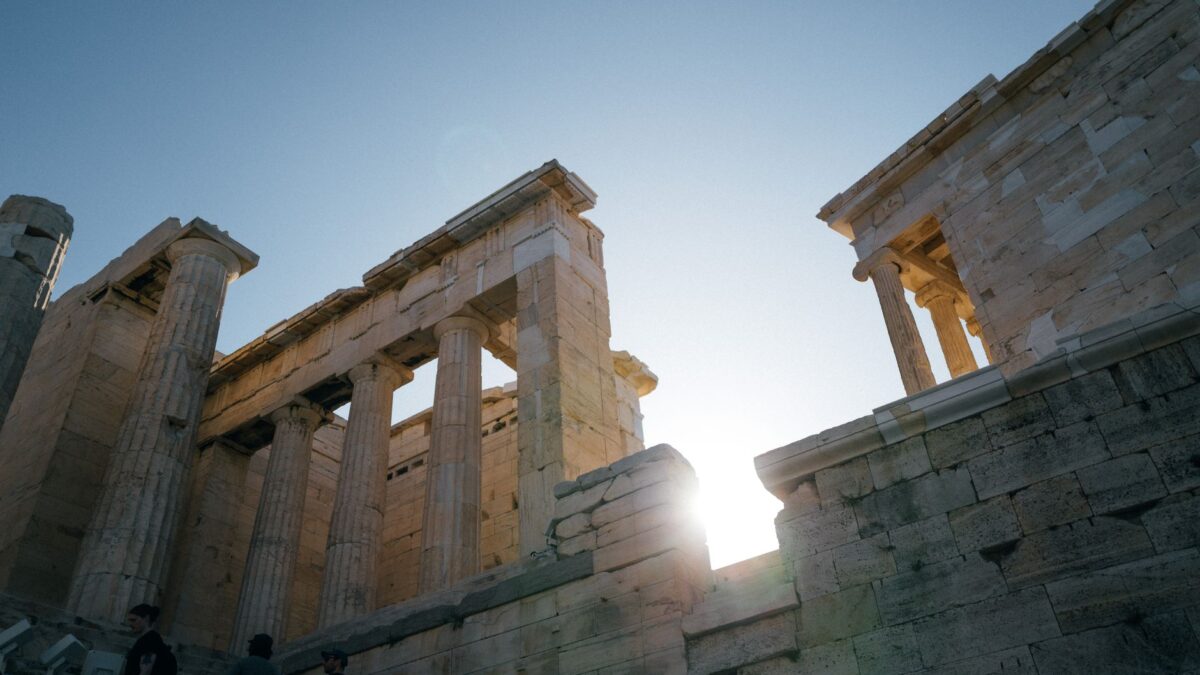
Early September in Athens is a deceptive season. The heat still lingers, the sea remains warm enough for a dip, and the markets are heavy with late figs and grapes. But beneath that lingering summer glow, the city is snapping back into rhythm. The August exodus reverses, residents return, and the tourists who stayed behind find themselves navigating a capital that feels both ancient and urgently modern. If you are planning to walk these streets, your first question will likely be about cost. Is Greece still affordable? The answer, as always, depends on how you travel—and where you choose to spend your euros.
The Reality of Prices in 2026
Greece remains cheaper than most Western European capitals, but the days of sub-€3 street food are largely gone. Inflation has settled at around 2.5%, yet the cost of living squeeze is real, felt by locals and visitors alike. A pork gyros pita in Attica now typically runs between €3.20 and €4.60, a noticeable jump from just a few years ago. However, if you know where to look, value is everywhere. A litre of milk in the supermarket costs roughly €1.50–€1.70, and a local draft beer in a bar hovers around €3.50–€5.00. The key is balancing the tourist-heavy zones with the neighborhoods where Athenians actually live and eat.
Accommodation: Where You Sleep Matters
Your accommodation budget will define the rest of your trip. For a budget traveler, hostels or basic guesthouses in areas like Exarchia or near Victoria can keep nightly costs low, though prices have risen. Mid-range travelers should expect to pay around €80–€120 per night for a double room in a hotel or guesthouse. This gets you comfort without luxury, often in lively districts like Koukaki or Pagkrati.
If you prefer something more comfortable, boutique hotels in Kolonaki or Plaka command higher rates. For context, a modest one-bedroom flat in central Athens rents monthly for roughly €600–€750, which gives you a sense of the baseline urban housing cost. During peak season, prices spike, but September offers a slight reprieve as the rush subsides. I recommend staying in Kolonaki if you want upscale shopping and galleries, or Monastiraki if you crave the energy of flea markets and rooftop bars overlooking the Acropolis.
Eating Like a Local vs. Tourist Trap
Food is where you can save money or blow your budget instantly. Street food is your best friend. Souvlaki kalamaki (grilled skewers) cost between €2 and €4, while spanakopita or tiropita from a bakery run €2.50–€3.50. For a treat, grab loukoumades—those honey-drenched doughnut balls—for about €5. These snacks can easily make up a full day’s meals if you mix them with fresh fruit from the street vendors.
Dining out changes the math. A full meal for one at a mid-range taverna, including starter, main, dessert, and wine, will set you back €25–€35. Coffee culture is expensive; a cappuccino or freddo espresso at a café usually costs under €4, sometimes hitting €4.00 exactly. If you sit down for breakfast or lunch in a high-traffic area like Syntagma, expect to pay more. To save money, venture into Mets or Plateia Varnava, where the dining strip offers neoclassical charm and better prices. Avoid eating directly next to the Acropolis entrance unless you’re prepared for premium pricing.
Moving Around the City
Athens’ public transport system, OASA, is efficient and surprisingly affordable. Since 2025, you can tap contactless bank cards (tap2ride) or use the ATH.ENA GO app, making payment seamless. A single fare valid for 90 minutes across metro, bus, tram, and tram costs just €1.20. If you plan to move frequently, a 3-day tourist pass is €20 and includes round-trip airport transfers, which is a steal compared to taxi fares.
The airport Metro Line 3 runs about €9 one way, while the X95 bus is roughly €5.50. Inside the city, the new expanded timetable on Lines 6 and 7 cuts peak wait times to under 10 minutes, though be aware that telematics screens were recently restored after a cyberattack, so occasional glitches may occur. A monthly transit pass (ATH.ENA) costs around €27–€30, which is useful if you’re extending your stay. Taxis are metered but can be pricey during rush hour; stick to the metro for reliability.
Attractions and Hidden Gems
Culture in Athens is rich but not free. The Acropolis entry fee is €30 in 2026, requiring a pre-booked timed slot via hhticket.gr. It’s non-negotiable and worth every euro. The Acropolis Museum, with its glass floors over excavations and top-floor Parthenon Gallery, is another must-see, though ticket prices vary by season. The National Archaeological Museum, home to the Mask of Agamemnon and the Antikythera mechanism, is located near Victoria and Exarchia, offering world-class antiquities for a fraction of the cost.
Not everything costs money. The Panathenaic Stadium (Kallimarmaro), built entirely of white marble, is free to walk around outside. Mount Lycabettus offers a sunset panorama reachable by funicular from Kolonaki, with the ride costing very little. In early September, check local listings: the Athens Book Festival at Pedion tou Areos park features 285 stands and free admission evenings, while the Kolonou Festival offers theater and music performances starting from just €5. These events provide cultural immersion without breaking the bank.
Putting It All Together: Daily Budgets
Here is a realistic breakdown for daily spending in Athens, excluding flights and long-term accommodation:
- Budget Traveler (~€60–€80/day): Stay in a hostel or basic guesthouse (€30–€40), eat street food and bakery items (€15–€20), use public transport (€5), and enjoy free sights or cheap festivals (€5–€10).
- Mid-Range Traveler (~€120–€150/day): Stay in a mid-range hotel in Koukaki or Psiri (€80–€100), dine at mid-range tavernas for one meal (€25–€35), take taxis or frequent metro rides (€10), and pay for major attractions (€30).
- Comfortable Traveler (~€200+/day): Stay in a boutique hotel in Kolonaki or Plaka (€150+), enjoy fine dining or multiple restaurant meals (€50+), use private transfers or taxis freely, and include guided tours or premium experiences.
Athens rewards those who wander beyond the obvious. The real cost isn’t just in the prices—it’s in the time it takes to discover the quiet corners, like the whitewashed alleys of Anafiotika or the jazz clubs of Pagkrati. With careful planning, Greece remains one of Europe’s most accessible destinations. Just remember: cash is still king in some smaller bakeries, and carrying a passport is essential for SIM card registration or bank visits. Enjoy the lingering summer, the history under your feet, and the warmth of the people who call this ancient city home.
Frequently asked questions
How much does a gyros pita cost in Athens in 2026?
A pork gyros pita in Attica typically costs between €3.20 and €4.60, with central Athens averages around €3.50.
What is the price of a single public transport ticket in Athens?
A single 90-minute fare covering all urban modes (metro, bus, tram) costs €1.20. You can also use a contactless bank card or the ATH.ENA GO app.
How much does it cost to enter the Acropolis in 2026?
Entry to the Acropolis is €30 in 2026. Tickets must be pre-booked with a timed slot via hhticket.gr.
Is Athens expensive for dining out compared to other EU capitals?
Athens is generally cheaper than most Western EU capitals, but prices are rising. A mid-range meal with wine costs €25–€35, and coffee is around €3–€4.
What are the best neighborhoods for mid-range accommodation in Athens?
Koukaki and Makrygianni offer residential calm near the Acropolis Museum, while Psiri provides nightlife access. Expect to pay €80–€120/night for a double room in these areas.
Things to do in Greece
 Milos oneiro-kleftiko sailing experience with local guide
 Sailing trip to the Top Coasts of Crete, Daily/Multi-day
 Best Of Santorini Private Tailor Made Tour
 Private Full-Day Cruise in Rhodes with Lunch and Drinks
 Santorini Private Full-Day Tour – Customizable Island Experience
 Likely to sell out
The Greek Food Experience (Max 8 persons)
Likely to sell out
The Greek Food Experience (Max 8 persons)