

How much does a trip to Guatemala cost?
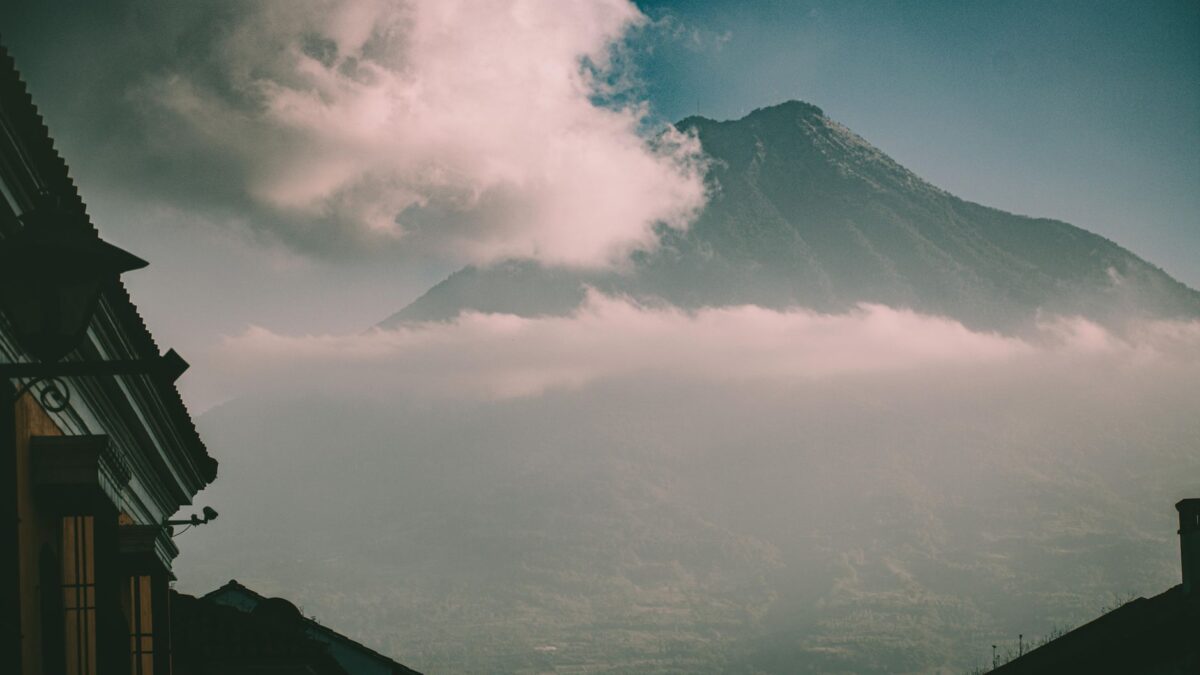
The drizzle over the Zona 1 rooftops hasn’t stopped the marimba from warming up inside the Centro Cultural Miguel Ángel Asturias. It’s late August in Guatemala City, the ‘mes patrio’ flags are already strung along the Paseo de la Sexta, and the city is tuning up for Independence Day in 17 days. You’re here, probably with a vague budget in mind and a hunch that your money might go further than in Cancún or San José. It will. But let’s talk in quetzales (GTQ), not just dollars, so you know exactly where each note goes.
Guatemala City is still one of Central America’s most affordable capitals, but it’s not the bargain basement it was a decade ago. A cheap street lunch will set you back about Q35, a Transmetro ride Q2, and a decent hotel room around Q300. The real art is knowing which zone to stay in, what to spend on, and when to splurge on a views of the volcanoes. Here’s a realistic, lived-in breakdown.
Where to sleep: zones, prices, and safety
Your choice of neighborhood is your budget. The safest and most convenient for first-timers is Zona 10 (Zona Viva) — embassies, restaurants, and the closest to La Aurora Airport. A mid-range double in a guesthouse or boutique hotel here runs about Q250–400 per night. You’ll find places like Hotel Casa Veranda or the larger Barceló Guatemala City if you want to push into comfortable territory, where rooms climb toward Q600+.
Budget travelers usually land in Zona 1 (Centro Histórico), around the Plaza de la Constitución and the Mercado Central. A modest private room in a pension or a spot like Casa Aurora can cost as little as Q80–150 if you’re willing to share a bath, though a private double at a place like Dai Nonni Hotel sits around Q200. The catch? Zona 1 is lively by day (the cathedral, the Palacio Nacional de la Cultura, the market) but genuinely risky after dark—pickpocketing and muggings are not a rumor. My rule: sleep in Zona 10 or 14, play in Zona 1 by daylight.
For the mid-range traveler, Zona 4 is the sweet spot. The Cuatro Grados Norte micro-neighborhood has indie cafés and murals, and a boutique stay near Black Sheep Kaffee runs Q350–500. It’s less sterile than Zona Viva but still walkable and safe during the day.
Food: from Q15 chuchitos to Q150 dinners
You can eat incredibly well here without touching a fancy menu. Start with the street: a chuchito (steamed corn tamale) from a stall near the Mercado Central goes for Q8–15. A shuco — the glorious Guatemalan hot dog piled with avocado and pickled cabbage — is Q25–40. That’s breakfast or a snack, not a meal.
For lunch, follow the sound of spatulas to a comedor — an inexpensive local diner. A full plate of pepián, rice, and tortillas runs Q35–55. That’s around $6 and it’s the best value in the city. If you want to sit down with a view, mid-range restaurants like Rayuela in Zona 10 or Los Tres Tiempos in the Centro Histórico will charge Q100–200 per person for a main course and drink. A local beer (Gallo, bottle) adds Q12–20. Coffee culture is serious: a cup at El Injerto Coffee or Fat Cat Coffee House costs Q12–15. If you’re on a daily food budget: street-only, Q80–100. Mixing comedores and one nice dinner, Q200–250.
Getting around: Transmetro, TuBus, and Uber
Forget renting a car in this traffic. The Transmetro (BRT) is the fastest way across town, but it’s prepaid only — no cash on board. You buy a tarjeta for about Q20 at Plaza Barrios station, then each ride costs Q1–2 on dedicated lanes. That’s laughably cheap. The monthly pass is Q80 if you’re staying long.
Outside the BRT, you have chicken buses (converted US school buses) and TuBus city routes, single fare Q5–7 — but they’re slow and crowded, and in some zones (3, 5, 6, 12, 21) you shouldn’t be waiting at a stop alone. I use them only for daytime runs to the Mercado Central or the Torre del Reformador. For safety and sanity, use Uber at night. A ride across town from Zona 1 to Zona 10 costs about Q30–50. Budget transport for a day: Q15 (two Transmetro rides plus a bus) if you’re disciplined; Q50–80 if you Uber twice.
Attractions and culture: what’s worth the quetzal
The city’s best cultural assets are almost free. The Palacio Nacional de la Cultura (the 1930s green palace) offers guided tours for about Q50 – worth it for the murals and the view from the roof. The Mercado Central is free to wander, and you’ll spend money whether you intend to or not on textiles and snacks. The Museo Ixchel del Traje Indígena on the Universidad Francisco Marroquín campus in Zona 10 charges around Q60 and holds the most stunning collection of huipiles (indigenous weavings) in the country. The Museo Popol Vuh, right next door, is another Q60 for pre-Columbian Maya art. The Zoológico La Aurora in Zona 13 is a lovely afternoon for Q40-ish, and the Museo Miraflores (covering the ancient Kaminaljuyú site that lies beneath the city) is around Q50.
One free/cheap highlight: the Torre del Reformador (Eiffel-styled, 1935) is best viewed at golden hour from the Zona 9 side — no entrance fee unless you want to go up. And if you’re here during the Festival de Marimba Paiz at the Centro Cultural Miguel Ángel Asturias (late August), grab a ticket to one of the two daily performances — usually under Q100 — to hear five national ensembles celebrate the ‘legado vivo’ of the marimba.
Daily totals: budget, mid-range, comfortable
Let’s put it together. Budget traveler (hostel or pension, street food, Transmetro only, one paid attraction): Q180–250 per day (≈ $25–32). You’ll sleep in Zona 1 or a shared room, eat chuchitos and comedor plates, and use the BRT. Mid-range (guesthouse in Zona 4 or 10, comedor lunches + a couple of restaurant dinners, Uber rides for safety, two museums): Q450–650 per day (≈ $60–85). Comfortable (Barceló or a boutiquey spot like Mariana’s Petit Hotel, fine dining at Restaurante El Adobe • Zona 1 or Kaffa, private transfers, guided tours): Q1,000–1,400 per day (≈ $130–180).
These numbers hold for a solo traveler or as per-person costs for a couple. The one thing that breaks budgets here is movement outside the city — a day trip to Pacaya Volcano or Antigua will add Q200–400 with transport. But for the capital alone, the range above is honest.
Practical notes: cash, SIMs, and the CA-4 trap
This is a cash-heavy economy. Quetzales (Q) are king, and while Visa is accepted at mid-range restaurants and hotels, the Transmetro card, chicken buses, and market stalls are cash-only. ATMs at Banco Industrial and Banco G&T Continental dispense Q200 notes. Bring a mix of small bills (Q10 and Q20) for the street. For your phone, buy a prepaid SIM at a mall stand from Tigo, Claro, or Movistar — you’ll need your passport for registration, and data tops-up cost Q15–30 at any tienda.
Finally, the visa fine print: most visitors get 90 days on arrival, and the CA-4 bloc (Guatemala, Honduras, El Salvador, Nicaragua) shares that clock. If you hop to El Salvador for a weekend, you don’t get a new 90 days. The way to reset is to exit to Mexico or Belize (or fly out). Overstay fines are about Q15 per day, paid at the bank inside the airport. If you fall in love and stay, you’ll need a lawyer and the Dirección General de Migración for residency — but that’s a story for another cup of El Injerto.
Enjoy the marimba, walk the Paseo de la Sexta by day, and keep your phone in your pocket. Guatemala City will be kind to your wallet — and fierce with your heart.
Frequently asked questions
Is Guatemala City expensive for tourists?
No, it's one of Central America's more affordable capitals. A budget traveler can get by on Q180–250 (~$25–32) per day, while a mid-range traveler spends Q450–650 (~$60–85) including a decent hotel and restaurant meals.
How much does a hotel cost per night in Guatemala City?
A private room in a mid-range guesthouse or hotel in Zona 10 or 4 typically costs Q250–400 per night. Budget pensions in Zona 1 can be as low as Q80–150 for a basic room, while upscale hotels like Barceló start around Q600.
Is it safe to stay in Zona 1 in Guatemala City?
Zona 1 is safe and atmospheric during the day near the Plaza de la Constitución and Mercado Central, but it has a high risk of pickpocketing and muggings after dark. Most travelers sleep in Zona 10 or 14 and visit Zona 1 by daylight.
Do I need cash in Guatemala City?
Yes, the economy is very cash-heavy. Street food, chicken buses, and the Transmetro card are cash-only. Most mid-range restaurants and hotels accept card, but you'll always want quetzales (Q) on hand, ideally in small bills.
Can I use the Transmetro as a tourist?
Yes, but it's prepaid only. You buy a transit card (around Q20) at stations like Plaza Barrios, then each ride costs about Q1–2 on dedicated lanes. It's a fast, safe way to cross the city during daylight.
Things to do in Guatemala
 Guatemalan Cooking Class & Market Tour
 Coffee Tour Adventure Antigua Guatemala
 Private Ground Transfer From Antigua To Guatemala City Airport
 Antigua Coffee Tour by Local Producers
 Experience: Organic Coffee, Avocados, Honey & More!
 Tikal Full Day with Dedicated Exploration of the Archaeological Monuments.