

How much does a trip to Iceland cost?
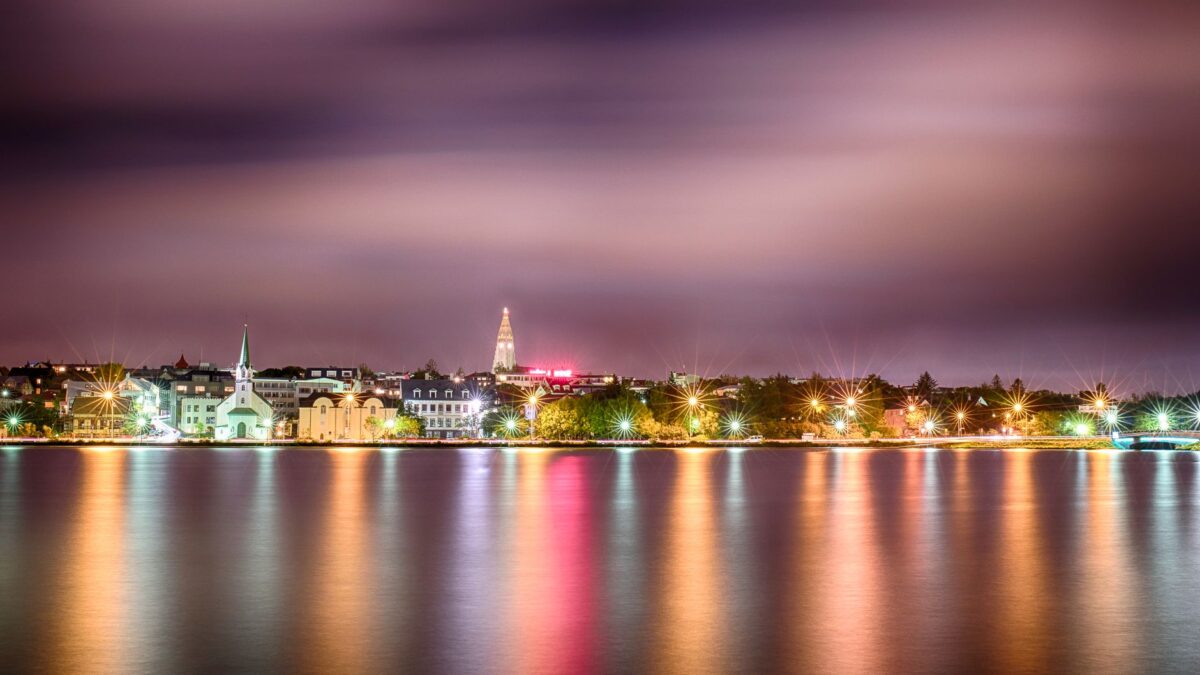
The wind off Faxaflói Bay doesn’t just blow; it has a personality. Standing at the Sun Voyager sculpture with Mount Esja looming in the grey distance, you realize that visiting Reykjavík in late September is an exercise in embracing the elements. The long bright evenings of summer are gone, replaced by the first proper dark nights that promise the Northern Lights, while locals retreat into the cozy rhythm of work and autumn culture. But before you can worry about aurora visibility, you need to answer the question every visitor asks: how much does it actually cost to survive—and thrive—in this beautiful, expensive corner of the world?
Iceland is not a budget destination, but it is manageable if you know where the money goes. The economy here is driven by fishing and tourism, and prices reflect a high GDP per capita. In September, the weather turns crisp (expect 6–11°C with light rain) and the tourist crowds thin out. It’s the perfect time to explore, provided you budget generously for dining and transport.
Accommodation: Where You Sleep Matters
Reykjavík is one of Europe’s priciest cities, and your accommodation will likely be your biggest fixed expense. If you are looking for a modest one-bedroom flat in the city centre (Miðborg), monthly rents hover around 295,000 ISK, which gives you a sense of the baseline cost of living. For travelers, however, short-term stays command a premium.
In the heart of Miðborg, you’ll find design hotels like the ODDSSON Downtown Hotel or the historic Hótel Frón. These offer convenience but come at a price. For a more local feel, consider the Grandi district. Once a fish-processing quarter, Gamla höfnin is now the city’s design hub. Hotels like Grandi by Center Hotels place you steps away from food halls and whale-watching boats without the central-city markup. Alternatively, the Westside (Vesturbær) offers quieter residential streets near Tjörnin pond, where you might find boutique options with views of the mountains. Budgeting 15,000–25,000 ISK per night for a decent hotel room is realistic for mid-range travel, though hostels in Hlíðar or Breiðholt can drop that figure significantly.
Eating Out: The Cost of Coffee and Lamb
Dining in Reykjavík requires a shift in mindset. Alcohol is heavily taxed, and dining out is dear. A single cup of cappuccino at a spot like Kaffibrennslan or Café Babalú will set you back roughly 726 ISK. That may seem small until you add it to lunch and dinner.
For lunch, you don’t need to spend a fortune. The new wave of food halls has made eating affordable and social. Head to Hlemmur, the old bus terminal turned cultural hub, or the Grandi Mathöll. A sushi poké bowl or similar main course at Pósthús Food Hall & Bar costs around 3,490 ISK. If you want authentic street food, try the lamb shawarma—a beloved Icelandic twist—available for about 2,090 ISK. And yes, you must try the pylsur (hot dog). At 820 ISK for ‘ein með öllu’ (with everything) from a stand near Laugavegur, it is the cheapest meal on this list and arguably the best value experience you’ll have.
Dinner is where budgets stretch. An inexpensive meal at a local restaurant, perhaps something like Reykjavík Kitchen or Íslenski Barinn, runs about 3,500 ISK. For a three-course meal for two at a mid-range venue, expect to pay around 16,500 ISK without drinks. Fish dishes like plokkfiskur are often priced between 4,000 and 4,990 ISK. If you drink beer, remember that a pint of local draught is roughly 1,500 ISK. My advice? Embrace the ‘supergambit’—a cheap, filling lunch—and enjoy a lighter dinner, perhaps grabbing takeout from Sjávargrillið to eat by the harbour.
Getting Around: Buses vs. Cars
If you are staying within the Capital Region, you do not need a car. In fact, driving in Reykjavík during peak hours is stressful due to parking scarcity. The public transit network, Strætó, is efficient and CPI-linked, meaning fares rose slightly in early 2026. A single adult fare is 690 ISK. If you plan to move around daily, buy a 30-day pass for 11,600 ISK or use the Klappið app for contactless daily caps.
Main hubs like Hlemmur and Lækjartorg connect you to everywhere that matters. Bus 55 takes you to Keflavík Airport in about 90 minutes, though the private Flybus is faster. For day trips, such as to the Golden Circle, you would need to book a tour or rent a car, which significantly increases your daily budget. But for exploring districts like Laugardalur (home to the geothermal pools and Botanical Garden) or the Old Harbour, the bus is all you need.
Attractions: Free Views and Paid History
Iceland offers a mix of free natural wonders and paid cultural institutions. Walking along Sæbraut to see the Sun Voyager is free. Hiking up to Hallgrímskirkja for the view is free, though taking the lift to the tower costs extra. Perlan, built atop water tanks in Öskjuhlíð, houses an interactive nature museum and an ice cave; tickets here are pricey but worth it for the 360-degree observation deck.
For history buffs, the National Museum of Iceland and the Settlement Exhibition (Landnámssýningin) allow you to walk over 10th-century ruins. If you are planning to visit multiple museums, including Harpa Concert Hall events or the Saga Museum, consider the Reykjavík City Card, which covers unlimited buses and entry to 17 museums. Alternatively, keep an eye on local events. During my research, I noted that European Researchers’ Night (Vísindavaka) at Laugardalshöll offers free admission and hands-on demos, showing that cultural engagement doesn’t always require a ticket.
Realistic Daily Budgets
To help you plan, here are rough daily totals based on current prices:
- Budget Traveler (15,000–20,000 ISK / ~$110-$145): Stay in a hostel or shared Airbnb, eat hot dogs and supermarket meals (Bónus or Krónan), use public transport, and focus on free walking tours and natural sights like Grótta Lighthouse.
- Mid-Range Traveler (30,000–45,000 ISK / ~$220-$330): Private hotel room, one nice dinner, regular café stops, occasional taxi or tour, and entry to major attractions like Perlan or the Blue Lagoon (if accessible).
- Comfortable Traveler (60,000+ ISK / ~$435+): Boutique hotel, fine dining (three-course meals), rental car for day trips, guided glacier hikes, and unrestricted spending on coffee and alcohol.
Remember, safety and preparedness are part of the cost. Check vedur.is for weather and road.is for conditions. With strong winds and sudden shifts common in September, dressing in layers is non-negotiable. Iceland is magical, especially as the lights return to the sky. Plan your wallet as carefully as you plan your itinerary, and you’ll leave with memories, not debt.
Frequently asked questions
How much does a meal cost in Reykjavík?
An inexpensive meal at a local restaurant costs around 3,500 ISK ($25). A hot dog ('pylsur') is a budget-friendly option at approximately 820 ISK ($6).
Is public transportation expensive in Iceland?
A single Strætó bus fare is 690 ISK ($5). For frequent travel, a 30-day pass is available for 11,600 ISK ($85), making it a cost-effective way to navigate the Capital Region.
What is the average cost of a hotel night in Reykjavík?
While monthly rents for flats are around 295,000 ISK, short-term hotel stays typically range from 15,000 to 25,000 ISK per night depending on the district and season.
Are there free things to do in Reykjavík?
Yes. Walking to the Sun Voyager sculpture, visiting the outdoor areas of Hallgrímskirkja, and attending free community events like Vísindavaka (European Researchers' Night) are excellent no-cost activities.
Things to do in Iceland
 Private Jökulsárlón Glacier Lagoon 2 Day Tour & Glacier Hike
 Private 2-Day Glacier Lagoon, Ice Cave and Northern Lights
 Glacier Adventure at Sólheimajökull Private Tour
 Reykjavík Bay Jet ski tour
 Reykjavik Private Northern Lights Tour with Pro Photographer
 Reykjanes Peninsula Private Day Tour - up to 9 passengers