

How much does a trip to Japan cost?
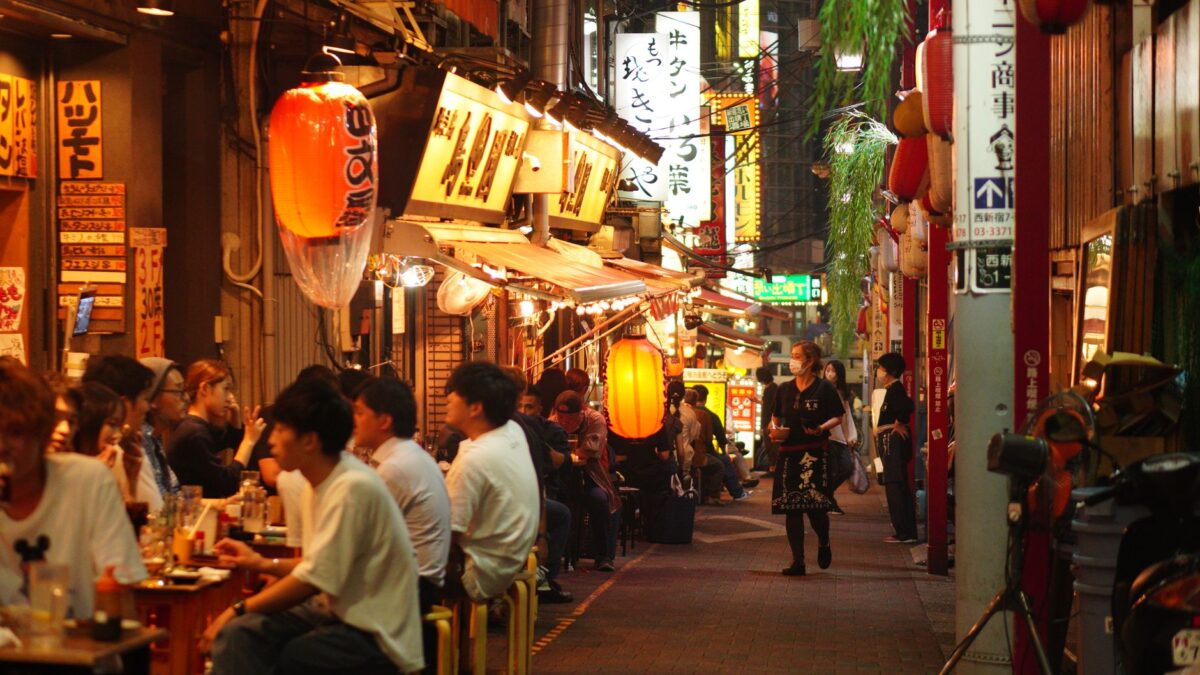
Imagine standing in the rain at Shinjuku Station, your umbrella battling a gusty wind, while you calculate if you can afford a bowl of ramen tonight. It’s a familiar anxiety for visitors, especially with Tokyo’s weather shifting between that lingering summer humidity and the crisp onset of autumn. But let’s be honest: the fear of Japan being “expensive” is largely a ghost from the past. With the yen hovering around ¥151 per US dollar, your purchasing power here is surprisingly robust, provided you know where to look.
I’m Yuki Tanaka, and I’ve lived through the rent hikes and the tourist booms. The reality is that Tokyo is a city of extreme contrasts. You can survive on convenience store onigiri, or you can spend a fortune on high-end sushi. Today, we’re cutting through the noise to give you a realistic budget breakdown for 2026, using current local prices so you can plan with confidence.
The Reality of Accommodation Costs
Accommodation is usually the biggest line item, and it has changed significantly since the pandemic. If you are looking for a modest one-bedroom flat (1R or 1K) to live like a local, expect to pay between ¥111,000 and ¥117,000 per month. For tourists, this translates to daily hotel rates that have climbed well above pre-2019 levels.
A mid-range business hotel in areas like Shinjuku or Ueno will run you about ¥12,000 to ¥18,000 per night, averaging roughly ¥15,000 (approx. $100). These rooms are small—often just enough for a bed and a suitcase—but they are clean, secure, and perfectly located near transit hubs. If you want to save money, consider staying slightly further out in districts like Asakusa. Rents there are a third lower than in the central-west wards, and the “shitamachi” old-town vibe offers a charm that modern hotels lack.
For those seeking comfort, boutique options like Petit Grande Miyabi or the unique Tokyo Guest House Ouji Music Lounge offer distinct experiences, but they come at a premium. Book these weeks in advance, especially if your trip coincides with holidays like Respect for the Aged Day or the Autumnal Equinox, when domestic travel spikes.
Eating Like a Local vs. Tourist
This is where the weak yen truly shines. Eating out in Tokyo remains incredibly affordable compared to Western capitals. You do not need to eat at fancy restaurants to have an incredible meal.
- Budget Bites: A simple gyudon (beef bowl) at a chain restaurant costs only ¥400–¥600 (approx. $3). This is a filling, delicious staple for lunch. For dinner, a bowl of tonkotsu or shoyu ramen at a popular shop will set you back ¥980–¥1,100 (approx. $7).
- Mid-Range Dining: If you want a sit-down teishoku (set lunch with rice, soup, and sides), budget ¥800–¥1,200 (approx. $7). An izakaya dinner, perhaps at a place like Gyukatsu Motomura Shibuya Branch, might cost ¥2,000–¥4,000 (approx. $20) per person, including drinks.
- Sushi: Conveyor-belt sushi is a fantastic value. While individual plates start around ¥120, a typical satisfying meal runs about ¥1,500 (approx. $10).
Don’t overlook the supermarkets. A litre of milk is ¥268, a loaf of bread is ¥298, and a cold can of beer is roughly ¥280 (approx. $1.8). Many travelers enjoy buying fresh seafood from Ameyoko market and eating it by Ueno Park. Just remember to carry cash; many small eateries and ticket machines still do not accept cards.
Getting Around Without Breaking the Bank
Tokyo’s public transport is efficient but complex. The base fare for a single metro ride is around ¥180 (approx. $1.2), but distances add up quickly. Instead of buying individual tickets, get a rechargeable IC card like Suica or PASMO. You can tap on and off seamlessly across all lines, including buses and even at convenience stores.
If you are staying long-term, a monthly commuter pass costs ¥10,000–¥15,000 (approx. $85). For short trips, the daily cost rarely exceeds ¥1,000 unless you are traveling extensively outside the 23 wards. Be aware of service disruptions; for instance, recent tunnel works have suspended the Yokosuka Line between Tokyo and Shinagawa, forcing travelers to use the Yamanote or Tokaido lines instead. Always check JR East updates before heading out.
Walking is also a major part of the experience. Districts like Shimokitazawa, with its indie theaters and vintage shops, or Nakameguro, with its riverside cafes, are best explored on foot. You’ll discover hidden gems like the Honda Theatre or quiet coffee roasters that maps often miss.
Attractions and Hidden Gems
Many of Tokyo’s most iconic sights are free or very cheap. Senso-ji Temple in Asakusa is free to enter, as is Meiji Jingu Shrine. You might spend ¥500–¥1,000 on incense or omamori (charms), but the spiritual atmosphere is priceless. During the evenings, look for seasonal events like the Kaminarimon Bon Odori, where locals dance in yukata under lantern lights.
For paid attractions, the National Art Center Tokyo hosts world-class exhibitions, such as the recent Louvre ‘Renaissance’ show featuring Leonardo da Vinci. Tickets are reasonable, and the building itself is an architectural marvel. Similarly, the teamLab Borderless museum at Azabudai Hills offers an immersive digital art experience that is worth the booking fee, though you must reserve tickets weeks in advance due to high demand.
If you prefer nature, a half-day trip to Mount Takao via the Keio Line costs very little in transit and offers stunning views of Mt. Fuji on clear days. The Tama River area is also great for spotting herons and water birds, providing a peaceful escape from the urban hustle.
Final Budget Estimates
To summarize, here is what you might expect to spend per day in Tokyo:
- Budget Traveler: ¥5,000–¥8,000 ($35–$55). Stay in hostels, eat gyudon and convenience store meals, use the subway sparingly.
- Mid-Range Traveler: ¥15,000–¥25,000 ($100–$165). Business hotel, mix of casual dining and one nice dinner, regular transit use.
- Comfortable Traveler: ¥40,000+ ($265+). Boutique hotel, fine dining, private tours, extensive regional travel.
Japan is not as expensive as you think, provided you embrace the local way of life. Use your welcome Suica, eat at the local chains, and walk as much as possible. The city rewards curiosity, not credit cards.
Frequently asked questions
Is Tokyo expensive for a first-time visitor?
Not necessarily. While hotels have risen in price, the weak yen makes food and shopping very affordable. You can eat well for under $10 USD at ramen shops or conveyor-belt sushi.
How much does a night in a Tokyo hotel cost?
A mid-range business hotel typically costs between ¥12,000 and ¥18,000 (approx. $80–$120) per night. Prices are higher in peak seasons and central wards like Shibuya.
Do I need cash in Tokyo in 2026?
Yes. While cards are widely accepted, many small restaurants, temples, and ticket machines still require cash. Carry ¥10,000–¥15,000 in notes and coins.
What is the best way to pay for trains in Tokyo?
Use a rechargeable IC card like Suica or PASMO. You can add them to your iPhone wallet or buy a physical Welcome Suica at the airport for seamless tap-and-go travel.
Things to do in Japan
 Samurai Training Experience KENDO in Osaka
 Special offer
Tokyo Private Discovery Tour | Unique Insights & Must Sees
Special offer
Tokyo Private Discovery Tour | Unique Insights & Must Sees
 Private Tea Ceremony and Sake Tasting in Kyoto Samurai House
 Private Tailor-made Akihabara Anime Tour with a Local Otaku Guide
 Pixel Lab Tokyo: Gameboy Mod Workshop (Classic/Advance/SP)
 Kyoto Gion Walk with Local: Culture & Geisha World