

How much does a trip to Latvia cost?
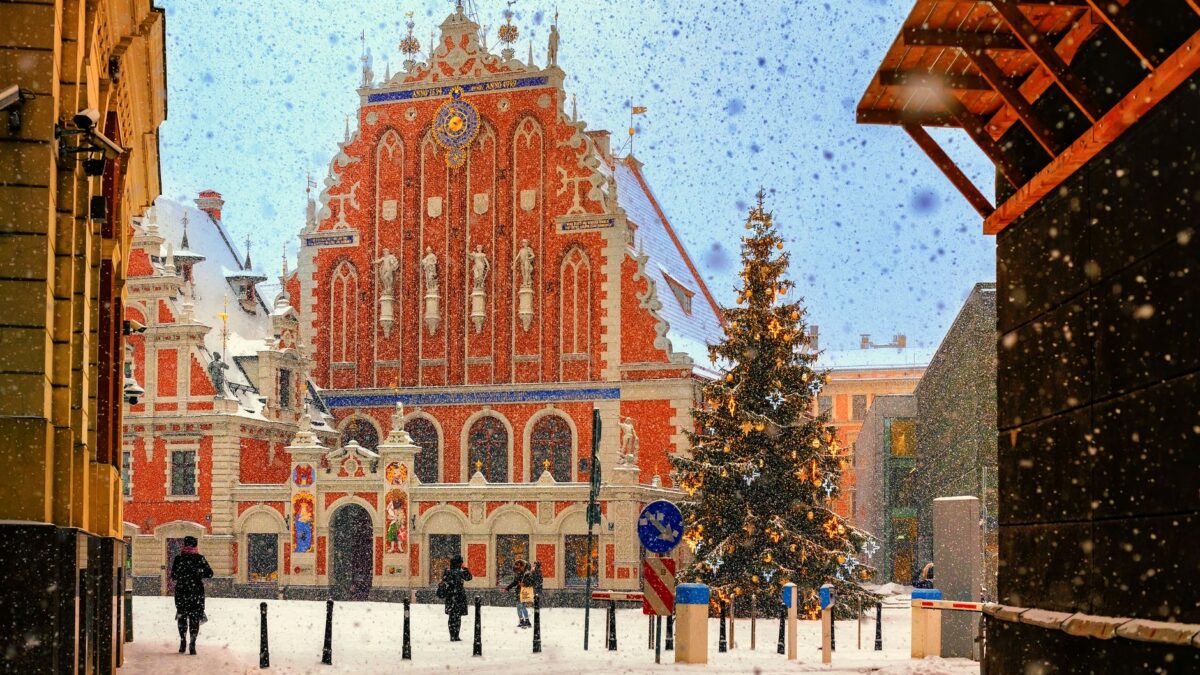
November in Riga is a study in contrasts. The daylight surrenders by late afternoon, leaving the cobblestones of Vecrīga slick with rain and the city lights reflecting off the Daugava. It is dark, damp, and deeply atmospheric. If you are planning a trip now, you might be wondering if the cost matches the moody beauty. The short answer: Latvia remains one of the most affordable capitals in the European Union, though prices have climbed steadily since 2022. You will not find the sticker shock of Paris or London, but you should budget for comfort, especially given the early sunsets that keep you indoors.
Accommodation: Where to Rest Your Head
Your biggest variable will be where you stay. Riga’s accommodation market is split into distinct zones, each with its own price tag and vibe. In the heart of the action, the Old Town (Vecrīga) offers immersion in medieval history, but it comes at a premium and can be loud on weekends due to stag parties around Kalķu iela. A mid-range hotel or guesthouse here typically runs about €110–135 per night for a double room.
If you want value without sacrificing charm, look toward the Klusais centrs (Quiet Centre). This Art Nouveau district, centered around Alberta iela and Elizabetes iela, features over 750 buildings from the early 20th century. Staying here means you are steps away from the National Gallery and Esplanāde park, yet rates are often 20–35% cheaper than in the Old Town. For those preferring modern amenities, Aparthotel Amella or Hotel Bergs Suites offer solid options in this calmer zone.
For longer stays, monthly rents for a modest one-bedroom flat in the city centre average around €520, while areas outside the centre drop to roughly €345. However, rent has increased by 6–8% into 2026, so booking early is wise.
Eating Like a Local vs. Dining Out
Food in Latvia is hearty, seasonal, and surprisingly affordable. Right now, you are in luck: Riga Restaurant Week is running from November 2–15, offering fixed-price menus across the city. It is the perfect time to sample high-end dining without the usual bill shock. A three-course meal for two at a mid-range restaurant (excluding drinks) averages about €60.
For everyday eating, an inexpensive local restaurant or canteen plate costs around €10–15. If you want to taste the national soul of Latvia, order pelēkie zirņi ar speķi—grey peas with smoked bacon and onion—which runs about €5–7 in a casual pub. Another staple, the karbonāde (breaded pork cutlet with cream sauce), sits between €6–12 depending on the venue.
Coffee culture is thriving. You can grab a cappuccino at Rocket Bean Roastery or Innocent Cafe for roughly €3.30. If you prefer self-catering, basic groceries are reasonable: a litre of milk is about €1.04, and a 500g loaf of white bread is €1.28. For a pub session, a 0.5l draught local beer costs around €5.00, while a bottle from a shop like Rimi is closer to €1.80.
Moving Around the City
Riga’s public transport network, run by Rīgas Satiksme, is efficient and cheap. A single 90-minute ticket covering buses, trams, and trolleybuses is just €1.50. If you plan to explore extensively, a 3-day pass is €8, and a monthly pass is €30. Note that since July 2025, a new €2 unified ticket bundles city transport with Pasažieru vilciens train travel within the Riga/A zone, available via the Vivi Latvija app.
Taxis are widely used but require caution. Always use apps like Bolt or Yango rather than hailing unmarked cars on the street. The ride from Riga Airport (RIX) to the centre typically costs €10–15. Be aware of current disruptions: due to a recent fire in Sarkandaugava, trolleybus 3 and bus 49 have altered routes, and several stops near Uzvaras parks are temporarily relocated. Check the Rīgas Satiksme app for real-time adjustments.
Attractions and Hidden Costs
Many of Riga’s highlights are free to view from the outside. Walking through Vecrīga, admiring the House of the Blackheads, or gazing up at the spire of St. Peter’s Church costs nothing. However, entering these landmarks adds up. Tickets for museums like the Art Nouveau Center (Alberta iela 12) or the interior of the House of the Blackheads usually range from €5–10.
The Riga Central Market, housed in former Zeppelin hangars, is a sensory feast. Entry is free, but you will spend money on smoked fish, rye bread, and dairy products here—it is the best place to buy souvenirs and food simultaneously. For a panoramic view, you can climb St. Peter’s Church or visit the Latvian Academy of Sciences terrace (the “Stalin’s birthday cake” tower). The latter is a local favorite and offers a stark contrast to the historic Old Town.
If you are visiting in November, take advantage of the season. The “Magic in the Botanical Garden” light festival opens soon, featuring over 200 illuminated installations along a 2km walk. Also, check the schedule for Riga Music Week, which takes over the Tallinas Street Quarter with dozens of acts. These events are often low-cost or free, adding cultural depth to your budget.
Daily Budget Breakdown
To help you plan, here are rough daily totals based on current prices:
- Budget Traveler (~€45-60/day): Stay in a hostel or shared apartment, eat at market stalls or cheap canteens, use public transit tickets, and focus on free walking tours and exterior sightseeing.
- Mid-Range Traveler (~€90-120/day): Private room in a mid-range hotel (e.g., in Klusais centrs), mix of casual pubs and one nice dinner during Restaurant Week, daily transit passes, and paid museum entries.
- Comfortable Traveler (~€150+/day): Boutique hotel (e.g., Relais le Chevalier), fine dining experiences, private Bolt transfers, guided tours, and shopping for local crafts or chocolate from the Laima factory.
Remember, Latvia uses the Euro (EUR). While it is still cheaper than many Western European capitals, inflation has touched everything. Plan accordingly, embrace the cozy hygge-style indoor activities, and enjoy the resilience of this ancient Hanseatic city.
Frequently asked questions
Is Riga expensive compared to other EU capitals?
Riga remains one of the cheapest capitals in the EU, though prices have risen by 6–8% since 2022. You can expect lower costs for dining and transport than in Western Europe, but accommodation in the Old Town commands a premium.
How much does a taxi cost from Riga Airport to the city center?
Using app-based services like Bolt or Yango, the ride from Riga Airport (RIX) to the city center typically costs between €10 and €15. Avoid hailing unmarked taxis on the street to prevent overcharging.
What are the current public transport fares in Riga?
A single 90-minute ticket costs €1.50. For frequent travelers, a 3-day pass is €8 and a monthly pass is €30. Since July 2025, a €2 unified ticket also covers city transport and regional trains within the Riga/A zone.
Are there any special dining deals in November?
Yes, Riga Restaurant Week runs from November 2–15, offering fixed-price menus at participating restaurants across the city. It is an excellent opportunity to try high-end cuisine at reduced rates.
What is the currency and payment method in Latvia?
Latvia uses the Euro (EUR). Contactless payments and mobile banking (via Smart-ID or eID) are widely accepted. Cash is less necessary but useful for small kiosks or markets.


