

How much does a trip to Lithuania cost?
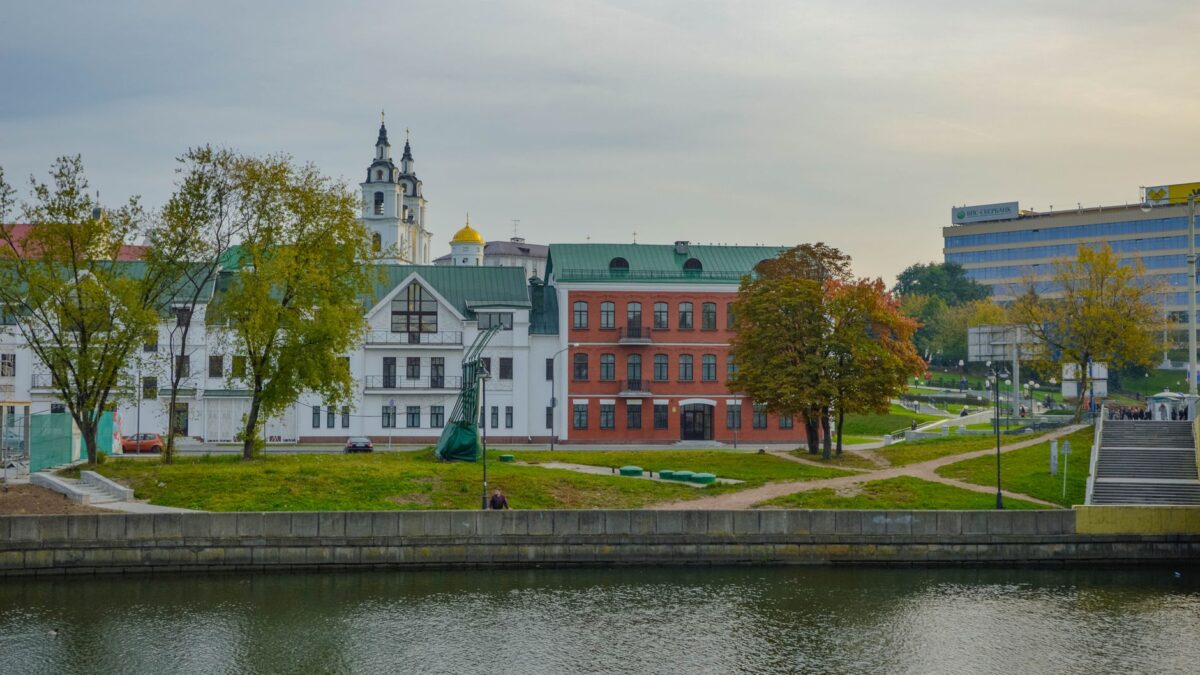
It is mid-September in Vilnius, and the air carries that specific crispness of early autumn. The harvest is in, meaning the tables are groaning under apple cheese, fresh rye bread, and wild mushrooms foraged from the nearby forests. As the evenings draw in earlier, you might catch the glow of fires on the hillforts marking the Autumn Equinox—a pre-Christian ritual that feels ancient and immediate all at once. But before you head to Kernavė or wander the cobblestones of Senamiestis, the practical question remains: how much will this reality cost you? Lithuania is one of Europe’s more affordable capitals, with a cost index hovering around 50, well below Western European peers. Yet, as rents climb roughly 8% year-on-year, knowing where your euros go is essential.
The Daily Breakdown: Budget to Comfortable
Let’s look at the numbers without fluff. We are working in Euros (EUR), which is the local currency. If you are coming from the US, keep in mind the rate is roughly 0.924 EUR to 1 USD, but think in local terms because prices here feel quite reasonable compared to Paris or Berlin.
Budget Traveler: ~65–85 EUR per day
You can absolutely survive—and enjoy—Vilnius on a tight budget. For accommodation, skip the central hotels and look for hostels or budget guesthouses in Naujamiestis or even slightly further out. A night might cost you around 30–40 EUR if you book smartly. Food is your biggest joy here; street food and market stalls offer incredible value. At Halės turgus (Hales Market) or Paupio Turgus, you can find a hearty meal for about 8–12 EUR. A portion of cepelinai—the famous stuffed potato dumplings—runs about 7–9 EUR. Public transport is dirt cheap: a single bus or trolleybus fare is roughly 1.00 EUR. If you stick to free attractions like the Old Town walks, Užupis constitution plaques, and Stalas Hill views, you won’t spend much more than coffee money. A cappuccino at a place like BREW Specialty Coffee or Coffee1 will set you back about 3.20 EUR.
Mid-Range Traveler: ~120–160 EUR per day
This is the sweet spot for most visitors. You’ll stay in a comfortable 3-star hotel or a boutique guesthouse in the UNESCO-listed Old Town (Senamiestis). Expect to pay around 80–100 EUR per night, with citywide averages sitting near 83 EUR. Dining shifts from markets to sit-down restaurants. An inexpensive local restaurant meal costs about 12 EUR, while a proper three-course dinner for two at a mid-range spot runs approximately 65 EUR (excluding drinks). You’ll still use public transit, but maybe take a Bolt taxi once or twice for convenience; the base fare starts at 2.75 EUR plus 1.10 EUR per km. This budget allows you to enter one paid museum, like the Palace of the Grand Dukes, and perhaps grab a local draft beer (0.5 L) for about 5.00 EUR to end your evening.
Comfortable/High-End: ~200+ EUR per day
If you want luxury, Vilnius offers it, though it is less common than in other capitals. You might stay in a design-led hotel in Žvėrynas or Šnipiškės, or opt for a high-end suite in the Old Town. Dining becomes about experience rather than just sustenance—think tasting menus at places like Etno Dvaras or Lokys. Transport is mostly private car hires or premium taxis. Attractions are largely free, but you might invest in curated tours, wine tastings, or a day trip to the hillforts of Kernavė, where costs rise due to guided access and entry fees. The key here is flexibility; you are paying for time saved and comfort gained.
Where Your Money Goes: Accommodation & Location
Location dictates your daily rhythm. If you stay in Senamiestis, you are steps away from Vilnius Cathedral Square and the Gates of Dawn, but prices are higher. Monthly rents for a modest one-bedroom flat in the centre average 600–800 EUR, signaling that short-term stays will reflect that premium. If you move to Naujamiestis, near MO Museum and Halės Market, you get a creative, loft-living vibe with slightly better value. For a broader view, Žvėrynas offers tranquil timber-villa living, ideal if you plan to walk through Vingis Park daily. Regardless of where you sleep, remember that tap-to-pay works everywhere from day one. Whether you use Swedbank, SEB, Luminor, or the Lithuanian-founded fintech Revolut, you rarely need cash for anything beyond small market purchases.
Food, Drink, and Cultural Costs
Lithuanian cuisine is heavy, hearty, and surprisingly affordable. While a meal at an upscale restaurant might mirror Western prices, the everyday eats are a steal. Don’t miss the Pink Soup Fest if you’re here in spring, but in autumn, focus on mushroom dishes and šakotis cake. Drinks are reasonably priced; a pint of local craft beer is around 5.00 EUR in a bar. If you visit during the Tautų Fair or the Jewish Shalom Festival, many events like the Fayerlakh concert at Kudirka Square are free, though you’ll spend money on the international food stalls. Note that while inflation is at 3.8%, dining prices in central areas are climbing, so check menus before ordering if you are budget-conscious.
Getting Around and Getting In
Transport within Vilnius is integrated and efficient. Buses and trolleybuses accept contactless payment, and you can plan trips using the new JUDU app, which is replacing older systems. For tourists, the Vilnius City Card bundles free public transport and museum entry, which can save significant money if you plan to visit multiple sites. If you fly into Vilnius, remember that Lithuania is in the Schengen Area. Most US, UK, and EU citizens enter visa-free for up to 90 days. If you need a SIM card, Telia, Bitė, and Tele2 sell cheap prepaid options at shops across the centre, or you can start with a travel eSIM. Safety is not a concern regarding cost—you won’t need to budget for expensive security measures. Vilnius is consistently rated very safe, with emergency number 112 available throughout the EU. Just use standard big-city vigilance, and you’ll be fine exploring the Pūčkorių atodanga viewpoints or wandering the riverside Paupys district late into the evening.
Frequently asked questions
Is Vilnius expensive for tourists compared to Western Europe?
No, Vilnius is one of Europe's more affordable capitals. With a cost index around 50, daily expenses for food, transport, and entry tickets are significantly lower than in cities like Paris or Berlin, though central rents and some dining prices are rising.
How much does a typical meal cost in Vilnius?
An inexpensive local restaurant meal costs about 12 EUR. Hearty traditional dishes like cepelinai run 7–9 EUR, while meals at market halls like Halės turgus range from 8–12 EUR. A mid-range three-course dinner for two is approximately 65 EUR.
Do I need a visa to visit Lithuania?
Lithuania is in the Schengen Area. Most US, UK, and EU citizens can enter visa-free for up to 90 days within any 180-day period. Non-EU nationals requiring longer stays must apply for a national visa and temporary residence permit through the Migration Department.
What is the best way to pay for transport and tickets?
The JUDU mobility app is becoming the unified standard for transit tickets and parking. Tourists can also purchase the Vilnius City Card, which bundles free public transport with museum entry. Contactless payments are widely accepted for buses and trolleybuses.
How much should I budget for a mid-range hotel per night?
Expect to pay between 80–100 EUR per night for a mid-range 3–4 star hotel or guesthouse in Vilnius. Citywide averages hover around 83 EUR, with 3-star options starting from roughly 55 EUR.
Things to do in Lithuania
 Hot air balloon flight Vilnius Trakai with Transfer and Shampagne
 Premium canoe tour at Curonian spit National Park (from Klaipeda)
 BIRDWATCH - Premium guided canoe tour at Cape Vente, Nemunas Delta Regional Park
 Dinner with a local family
 Wild Beach single handed Blokart Safari
 Guided Tour of KGB Museum in Vilnius (Museum of Occupation and Freedom Fights)