

How much does a trip to Malaysia cost?
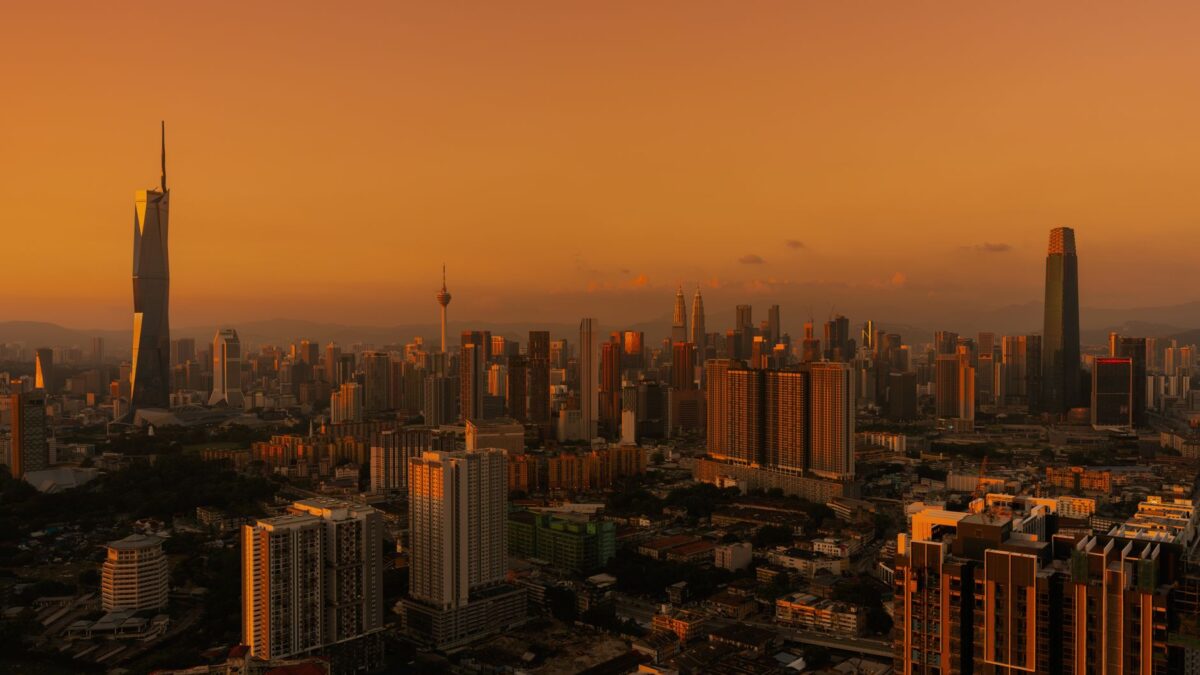
You step out of KLIA Ekspres at KL Sentral, and the first thing that hits you isn’t just the humidity—it’s the sheer affordability of it all. Kuala Lumpur is a city where you can eat like royalty for less than the price of a latte in London or New York, yet live in luxury apartments with skyline views. But with the haze hanging heavy over the Golden Triangle this October and the wet season creeping in, knowing exactly how your ringgit stretches is vital. I’m Aisyah Rahman, and let me walk you through what a trip to Malaysia actually costs in 2026.
The Reality of Daily Spending
Kuala Lumpur remains one of Southeast Asia’s cheapest big cities, but “cheap” is relative. Your budget will depend entirely on whether you are chasing hawker stalls or hotel pools. We are currently navigating a tail-end dry season that has been unusually hazy due to transboundary smoke from Indonesian fires. This hasn’t changed prices, but it has shifted behavior—outdoor hawker stalls on Jalan Alor are quieter, and many locals are staying indoors or moving their plans to air-conditioned malls. Use this to your advantage: you’ll find better deals on accommodation and easier access to attractions without the crowds.
For currency, keep in mind that one US dollar buys roughly RM4.57. Inflation is low at around 1.4%, so prices have remained stable, though rent has crept up slightly. When you look at your daily total, remember that alcohol is heavily taxed. A local beer at a bar or shop will set you back RM14–18 (about $3), which feels steep compared to everything else. That is the one cost that bites. Food, transport, and entry fees? They are remarkably gentle on your wallet.
Where You Sleep: Accommodation Breakdown
Your base camp dictates your daily rhythm. If you want to be in the thick of it, choose the KLCC / Golden Triangle. This is the district of the Petronas Twin Towers, Suria KLCC, and the embassies. It is walkable, safe, and luxurious. For a mid-range stay here—a solid 3-star equivalent hotel—you should budget between RM100 and RM180 (approx. $30) per night. Hotels like Hotel Olympic Malaysia or Travelodge Kuala Lumpur City Centre offer good value if you book ahead.
If you prefer a more residential, expat-friendly vibe, head to Bangsar. Located along the Kelana Jaya LRT line, it’s just one stop from KL Sentral. The area revolves around Bangsar Village malls and the Jalan Telawi strip, which is packed with cafes and bars. Rent here is higher; a modest one-bedroom flat in the city centre costs about RM2,000–2,600 ($500) monthly, but for tourists, boutique guesthouses and serviced apartments often match the RM100–180 range.
For the ultimate budget experience, consider Chow Kit or Kampung Baru. Chow Kit is home to the massive wet market and budget shophouses. You can find stays under RM80 a night, placing you right beside Kampung Baru, a historic Malay village of wooden houses with the modern towers looming behind them. It’s authentic, gritty, and incredibly cheap.
Eating Like a Local vs. Dining Out
This is where Malaysia shines. You do not need to spend much to eat well. A plate of basic nasi lemak—the national dish of coconut rice, anchovies, and egg—at a hawker stall costs only RM5–8 (about $1.40). If you go to an inexpensive local restaurant or kopitiam, a full meal will run you RM18–20 (approx. $4). During this hazy period, some outdoor stalls on Jalan Alor are reporting fewer customers, so don’t hesitate to negotiate or ask for recommendations on where the locals are eating indoors.
If you want to treat yourself, dinner for two at a mid-range restaurant, including three courses but no drinks, will cost around RM110–120 (approx. $25). Places like UpperDeck KL or Ferria KL offer great ambiance. However, if you’re looking for coffee, be prepared to pay café prices. A cappuccino or flat white at a place like Feeka Coffee Roasters or Common Space will cost about RM12.65 (approx. $2.80). It’s pricey by local standards, but the quality is world-class.
Keep an eye on the air quality index (AQI). With schools recently shut due to haze, many indoor food courts and malls are bustling while outdoor areas are empty. It’s a strange time to visit, but it means you can enjoy premium dining experiences without the usual peak-hour rush.
Moving Around: Transport Costs
Kuala Lumpur is car-oriented, but you don’t need a car. The public transit system is efficient and cheap. A single trip on the LRT, MRT, or monorail typically costs around RM3 (approx. $0.50). The stored-value card you need is the Touch ‘n Go. You can top it up via the TNG eWallet app or at stations. While there is a My50 monthly unlimited pass, it is generally tied to MyKad eligibility for locals, so as a tourist, just topping up your Touch ‘n Go card is the easiest method.
For longer distances or when it’s raining—which it often does in late October with sharp, brief downpours—use ride-hailing. Grab is the default. A 5km ride might cost you RM10–15 (approx. $1.0). The flag-fall is around RM4–5. It’s affordable enough that you won’t feel guilty using it frequently.
Be cautious in areas like Bukit Bintang, Petaling Street, and Chow Kit. Bag-snatching from motorbikes is a real risk. Keep your bags on the road side, away from the curb. Also, watch out for flash flooding during afternoon storms; traffic can grind to a halt, making Grab surge pricing likely.
Attractions and Hidden Costs
Many of KL’s highlights are free. Walking around the KLCC park to see the Twin Towers, visiting the Merdeka Square area, or exploring the streets of Brickfields (Little India) costs nothing. Brickfields is particularly vibrant now as Deepavali shoppers start to fill the streets on Jalan Tun Sambanthan. You can visit the Sri Kandaswamy Temple and sample banana-leaf rice for very little money.
If you pay for attractions, expect reasonable prices. Aquaria KLCC or Petrosains, The Discovery Centre will cost you maybe RM40–60 per person. There are also newer experiences like Immersify Kuala Lumpur for interactive entertainment. Avoid the common tourist traps that charge exorbitant fees for simple views.
Remember the visa requirements. Most Western passports get a 90-day social visit pass on arrival. You must file the free Malaysia Digital Arrival Card (MDAC) within 3 days before arrival at imigresen-online.imi.gov.my. Do not use copycat sites that charge for this. Also, be aware that any viral rumors you see online, like recent AI-edited videos circulating about crowd sizes in Bukit Bintang, are false—police have debunked them. Trust official sources.
In summary, a budget traveler can survive on RM100–150 a day, a mid-range traveler on RM300–500, and those seeking comfort on RM800+. Just factor in the haze precautions and the high cost of alcohol, and you’ll have a fantastic, affordable trip.
Frequently asked questions
How much does a meal cost in Kuala Lumpur?
A plate of nasi lemak at a hawker stall costs about RM5–8 ($1.40). A full meal at an inexpensive local restaurant or kopitiam runs RM18–20 ($4). Dinner for two at a mid-range restaurant is approximately RM110–120 ($25).
Is it safe to travel in Kuala Lumpur right now?
KL is broadly safe, but bag-snatching is a risk in busy areas like Bukit Bintang and Chow Kit. Additionally, transboundary haze has made air quality unhealthy recently, so check AQI levels before planning outdoor activities.
Do I need a visa to enter Malaysia?
Most Western passport holders receive a 90-day social visit pass on arrival. You must file the free Malaysia Digital Arrival Card (MDAC) online within 3 days before traveling. Do not pay third-party sites for this service.
How do I pay for public transport in KL?
Use the Touch 'n Go stored-value card for LRT, MRT, monorail, and buses. Single trips cost around RM3. While a My50 monthly pass exists, it is primarily for residents; tourists should simply top up their Touch 'n Go card.
Things to do in Malaysia
 Penang 5 Hour Small Group Balik Pulau Cycling Tour With Lunch
 Half-Day Mangrove Kayaking in Langkawi
 Full Day Flexi Private Tour in Penang Island with Pickup
 Market Visit & Private Hands-on Cooking Class at Daun Senja
 Half-Day Geopark Mangrove Kayaking Adventure
 Back of the Bike Street Food Experience – Real Penang!