

How much does a trip to Mauritius cost?
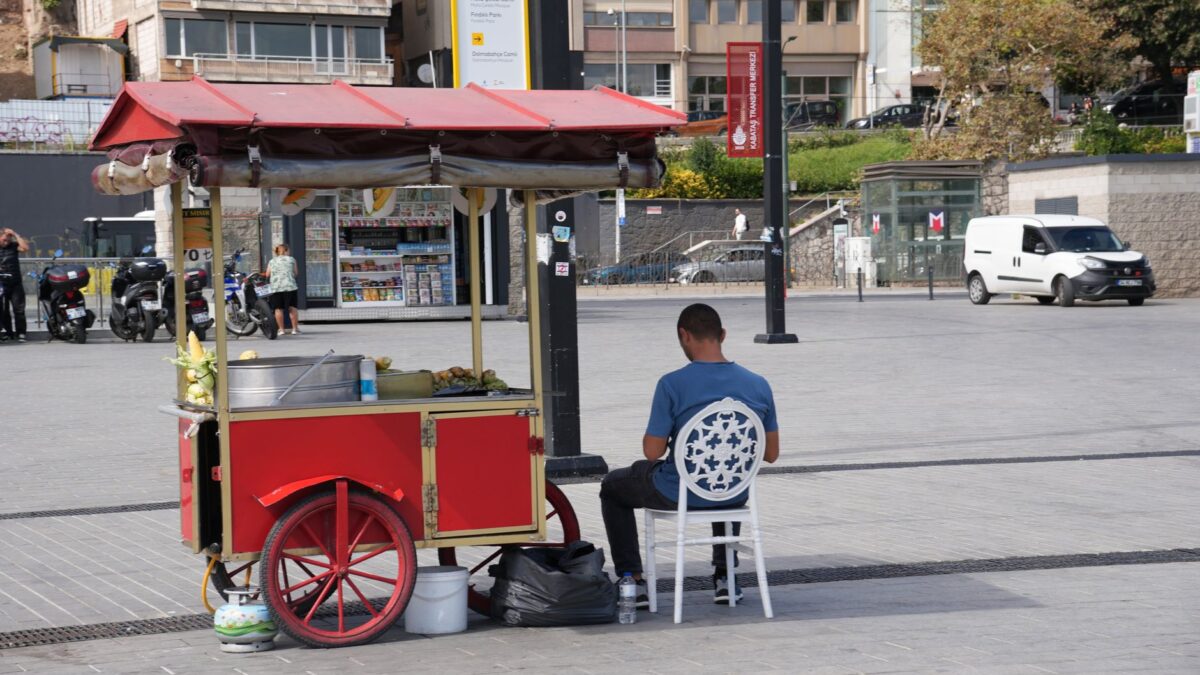
You step out of Sir Seewoosagur Ramgoolam International Airport into the warm, humid embrace of Port Louis, and the first thing that hits you isn’t just the heat—it’s the rhythm. The air is thick with the scent of grilling dholl puri, the distant thud of drums from Champ de Mars, and the quiet tension of a city watching the sky for rain. It is early November, the tail end of the dry winter sliding into the sticky build-up to summer storms. Sugar cane is in flower, the first litchis are showing up at the Central Market, and everywhere you look, people are talking about water. But before you worry about reservoirs, let’s talk about your wallet. Mauritius is often painted as an exclusive island paradise, but if you know where to look—and how to listen—you can experience its soul without emptying your pockets.
The Real Cost of Getting Around
Forget renting a car immediately. While it offers freedom, it also brings the headache of navigating Port Louis rush hour on the M1, where traffic crawls and police checkpoints are common due to recent security measures. Instead, start with the public infrastructure. For short hops within the capital, a single city bus ticket costs between Rs 17 and Rs 25. It’s cash only, stage-based, and incredibly cheap—roughly half a US dollar. You’ll ride past Roche Bois warehouses, through the bustling Pailles interchange, and into the heart of the CBD.
If you’re venturing further, say from Port Louis to Curepipe or Rose Hill, the Metro Express light-rail is your best friend. You need an MECard, a prepaid smartcard you can buy at any station kiosk for around Rs 150–200 (including initial credit). A single journey from Place d’Armes to Curepipe Central runs about Rs 35–55. Remember: you must tap on and tap off. Forget to tap off, and you’ll be charged a default fare plus a penalty. There is no cash fare on board, so keep that card loaded. For daily commuters, a rough monthly budget estimate sits around Rs 1,500, though tourists will rarely hit that mark unless they’re exploring the entire island over weeks.
Eating Like a Local vs. Dining with a View
Food is the heartbeat of Mauritius, and it is where your budget can either soar or stay grounded. If you want to eat like a local, head to the street vendors near Chinatown or the Central Market area. A single dholl puri—a split-pea flatbread served with curry, chutney, and achards—costs between Rs 25 and Rs 28.50. Prices rose slightly after October 2025 due to grain costs, but it remains a steal. Pair it with a gâteau piment (chilli-lentil fritter) for Rs 5–8 each, and you have a full, delicious lunch for under Rs 40.
For a more substantial meal, try the boulettes found at standing counters. These fish or vegetable balls in clear broth cost between Rs 80 and Rs 150 per bowl. A full street-food meal at a market stall, including a drink, will set you back roughly Rs 110–150. This is authentic, vibrant, and utterly affordable.
However, if you choose to dine in mid-range restaurants, particularly those in the Caudan Waterfront area like Riva Waterfront Restaurant & Lounge or Gregory’s Secret Restaurant, expect to pay Rs 400–700 per person for a main course. While still reasonable by global standards, this is where costs add up quickly. Stick to the markets for breakfast and lunch, and save the waterfront dining for special evenings.
Where to Stay and What It Costs
Accommodation prices vary wildly depending on location and luxury level. In the Port Louis district, rents reflect the city’s status as the economic hub. A modest one-bedroom flat in or near the centre averages Rs 20,000–24,000 per month, but for short-term stays, hotels dominate. Budget options like Lankraz Hotel Mauritius or Villa Alizée offer basic comfort, while upscale choices like Labourdonnais Waterfront Hotel or Citadelle Mall Apartments provide premium amenities.
For a realistic daily breakdown:
- Budget Traveler: Stay in hostels or budget guesthouses, eat street food, use buses. Daily cost: ~Rs 600–800 ($13–17).
- Mid-Range Traveler: Stay in mid-tier hotels or Airbnb, mix street food with casual restaurant meals, use Metro Express/taxis occasionally. Daily cost: ~Rs 1,500–2,500 ($32–54).
- Comfortable Traveler: Stay in waterfront hotels, dine at nice restaurants, hire private transfers. Daily cost: Rs 4,000+ ($86+).
Note that Port Louis rents are among the highest on the island, so if you’re staying longer, consider areas like Plaine Verte or Cassis for better value, though you’ll trade some convenience for distance from the action.
Attractions: Free Culture and Paid Gems
Mauritius offers plenty of free or low-cost cultural experiences. Walk through Chinatown’s Rue Royale to see the Kwan Tee Pagoda and historic Chinese-Mauritian architecture. Visit the Blue Penny Museum in Caudan for a small entry fee (check current rates, as they fluctuate), and explore the Aapravasi Ghat World Heritage Site, which tells the story of indentured labourers. The Champ de Mars Racecourse, one of the oldest in the Southern Hemisphere, is free to view, especially during race days when the energy is electric.
Currently, the Caudan Arts Centre is hosting the Caudan Arts Festival for its 30th anniversary, featuring free music, dance, and poetry across four zones until late November. Also, don’t miss Misdirection, the international magic festival at the Caudan Arts Centre, with tickets priced around Rs 1,000–1,500. Book ahead, as these shows sell out. For a larger attraction, Odysseo Oceanarium is a significant draw, but expect higher entry fees compared to street-level activities.
Practical Money Tips and Safety
Carry cash for markets and buses; cards are widely accepted in hotels and restaurants. Petty theft is the main concern, not violence. Keep bags closed in Chinatown and avoid walking through Jardins de la Compagnie after dark. The city empties quickly after office hours, so plan evening activities elsewhere. Also, be aware of the ongoing water restrictions. As of November 2026, mains water is restricted to specific hours (04:00–08:00 and 16:00–20:00 in Port Louis), and households outside the capital may only have water every other day. This is part of the broader ‘Zero Water Day’ countdown, so respect conservation efforts. Finally, ensure you have the All-in-One Travel Digital Form QR code ready upon arrival, and remember that most Western passports get visa-free entry for 60–90 days. Enjoy Mauritius—it’s cheaper than you think if you walk where locals walk.
Frequently asked questions
How much does a dholl puri cost in Port Louis?
A single dholl puri typically costs between Rs 25 and Rs 28.50, though some vendors may still charge Rs 20. It is an affordable staple meal.
What is the cheapest way to get around Port Louis?
The most affordable option is the city bus, with short trips costing Rs 17–25 in cash. For longer distances, the Metro Express MECard offers fares from Rs 32–55.
Are there free attractions in Port Louis?
Yes. Walking tours of Chinatown, viewing the Champ de Mars Racecourse, and visiting the Caudan Arts Festival events (during its run) are free or very low cost.
Is it safe to walk around Port Louis at night?
Petty theft is a risk, so keep bags secure. Avoid Jardins de la Compagnie after dark as the area empties out. Stick to well-lit, populated areas like Caudan Waterfront.
Do I need to worry about water shortages in November?
Yes, as of late 2026, Port Louis faces restricted mains water hours (04:00–08:00 and 16:00–20:00). Be prepared to store water and follow local conservation regulations.
Things to do in Mauritius
 Mauritius: Tamarind Falls Canyoning & Waterfall Rappelling
 Kayak Fishing in Mauritius
 Dog Lover's guided tour of the Happy Tails Sanctuary
 Whale Watching and Private Ocean Safari Experience in Mauritius
 Special offer
Exclusive & Tailor-Made Mauritius Tour with Local Guide
 Private Cooking Class in Mauritius with a Local Family