

How much does a trip to Nepal cost?
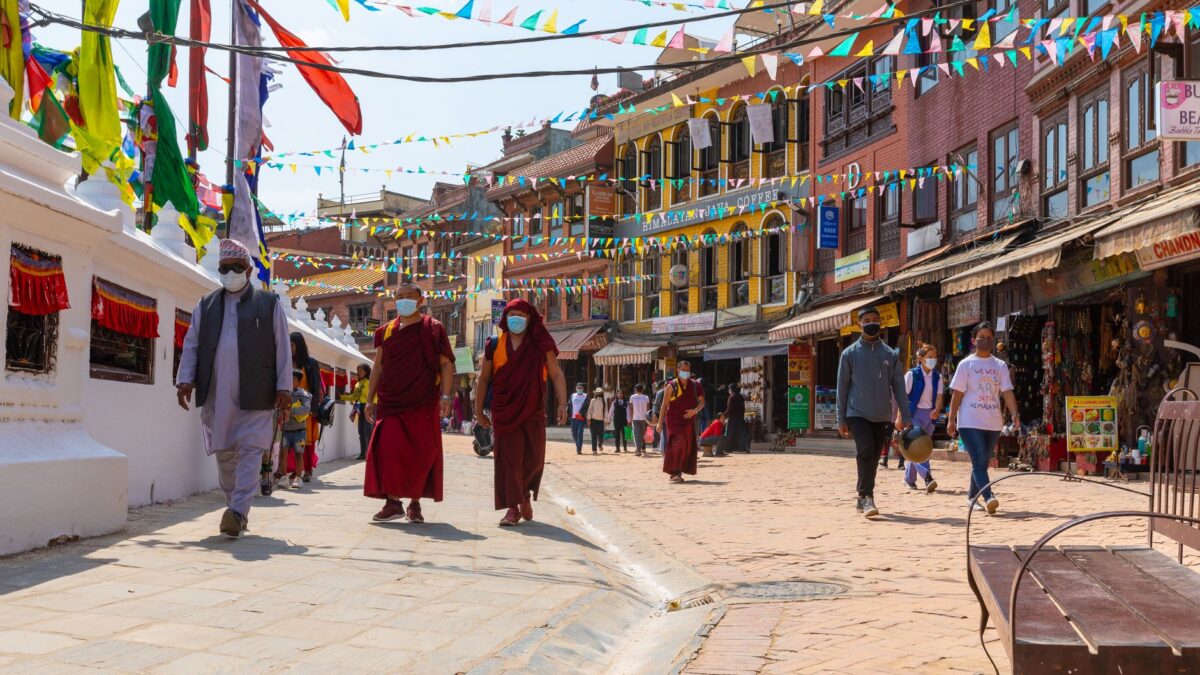
It is late September in Kathmandu, and the air hangs heavy with humidity. You are standing near Hanumandhoka Durbar Square, watching the sacred Yansi pole being raised for Indra Jatra. The city is alive—chaotic, loud, and breathtakingly vibrant. But as the chariots of Ganesh and Bhairav prepare to rumble through the streets on September 25th, you might be thinking about something less spiritual and more practical: how much does it actually cost to live here for a few weeks?
Nepal remains one of Asia’s best-kept secrets for value. Even with recent inflation, your money goes remarkably far here. However, prices vary wildly depending on whether you stay in the tourist hub of Thamel or venture into local neighborhoods like Asan or Patan. Let’s break down the real costs for 2026, using Nepalese Rupees (NPR) as our baseline.
Accommodation: From Hostels to Boutique Hotels
Your biggest variable will be where you sleep. Kathmandu offers options for every wallet, but the location dictates the price. If you want to be in the thick of the action, you’ll likely end up in Thamel. This backpacker engine of the city is noisy, crowded, and convenient. A night in a mid-range hotel or guesthouse here typically runs between 2,000 and 3,500 NPR (about $21). For budget travelers, hostels in Thamel can be found for even less, often under 1,000 NPR per bed.
If you prefer a calmer vibe with more character, look at Patan (Lalitpur). Just across the Bagmati River, Patan feels like a separate historic city. It has arguably the valley’s best-preserved Durbar Square and a quieter expat feel. Accommodation here is comparable to Thamel, but you get more space and authenticity for your rupee. For those planning a long stay, a modest one-bedroom flat in areas like Jhamsikhel or Patan costs around 25,000–45,000 NPR per month.
Pro Tip: While digital payments are growing, many smaller guesthouses still prefer cash. Always have some NPR notes ready.
Eating Out: The Dal Bhat Advantage
Kathmandu ranks among the world’s cheapest capitals for eating out, and this is where you will save the most. The national staple, dal bhat (rice, lentils, and vegetable sides), is cheap, filling, and nutritious. At a local khaja ghar (canteen), a plate costs roughly 150–300 NPR. In tourist spots, you might pay 400–600 NPR, but that’s still a fraction of Western prices.
For a slightly nicer meal, a mid-range restaurant offering three courses for two people will set you back about 3,100 NPR (approx. $23). If you crave coffee, expect to pay 240–250 NPR for a cappuccino at places like Yala Cafe or Rise & Grind Coffee in Thamel. Basic groceries are also affordable: a loaf of bread is around 80 NPR, and a liter of milk is 90–120 NPR.
Be aware that food inflation is a persistent trend. Prices in Thamel run 30–50% higher than in local neighborhoods. To eat like a local, skip the rooftop bars and head to Asan & Indrachowk, the ancient bazaar heart of old Kathmandu. Here, spices, textiles, and grain are sold in bustling markets, and you can find authentic meals at half the price of tourist zones.
Getting Around: Buses, Taxis, and Apps
Transport in Kathmandu is an adventure in itself. There is no unified transit card system. Public buses and micro-buses are incredibly cheap—single fares range from 20–40 NPR—but they are overcrowded and confusing for visitors. Most residents and savvy travelers rely on app-based rides like Pathao and InDrive, or negotiate metered taxis.
A short taxi ride of about 5 km within the city costs roughly 300–500 NPR (approx. $3). If you need to travel further, such as to the hilltop Swayambhunath (Monkey Temple) or the sacred Pashupatinath Temple, expect to pay more. For daily commuting, a rough estimate for a public transit pass would be around 1,500 NPR, though many just pay per ride.
Current Warning: Due to the recent flash floods affecting the Kathmandu–Rasuwa/Kerung route north of the valley, travel toward Langtang is currently disrupted. Stick to valley transport for now.
Attractions and Daily Totals
Many of Nepal’s top sights have nominal entry fees. Kathmandu Durbar Square, Swayambhunath, and Pashupatinath charge small fees for foreigners, usually ranging from 100 to 500 NPR. However, the real cost comes from tours, permits, and gear if you plan to trek.
Here is a realistic daily budget breakdown for a traveler staying in the valley:
- Budget Traveler ($15–$20/day): Stay in a Thamel hostel (~800 NPR), eat dal bhat at local canteens (~200 NPR per meal), use public buses or walk, and visit free or low-cost temples. This is entirely doable if you embrace the local lifestyle.
- Mid-Range Traveler ($30–$50/day): Stay in a mid-range hotel (~2,500 NPR), dine at a mix of local and mid-range restaurants (~1,000 NPR/day), take taxis via Pathao/InDrive, and pay for major attractions. This allows for comfort without luxury.
- Comfortable Traveler ($70+/day): Stay in boutique hotels like Capital Boutique Hotel or Hotel Anuttara, enjoy fine dining at places like Kathmandu Grill Restaurant & Wine Bar, hire private drivers, and include guided tours or cable car rides to Nagarkot for sunrise views.
Practical Money Tips for Your Trip
Cash is king in Nepal. While apps like eSewa, Khalti, and connectIPS are revolutionizing commerce, many temple booths, small vendors, and rural areas still operate on a cash-only basis. Carry NPR notes.
For banking, all banks are regulated by Nepal Rastra Bank. Tourist visas generally do not qualify for long-term accounts, but you can open an account with major banks like Nabil Bank or Global IME Bank if you stay longer. SIM cards are easy to get; visit a Nepal Telecom (NTC) or Ncell counter with your passport for mandatory KYC registration. NTC offers wider coverage if you plan to trek outside the valley.
Finally, watch your belongings. Pickpockets can be active in Thamel and around Durbar Square during festivals like Indra Jatra. Also, never drink tap water. Stick to bottled or filtered water to avoid illness, which can quickly derail your budget.
Frequently asked questions
How much does a meal cost in Kathmandu?
At a local canteen, a plate of dal bhat costs about 150-300 NPR. In mid-range restaurants, a meal for two with three courses is roughly 3,100 NPR.
Is it safe to drink tap water in Nepal?
No, do not drink tap water. It is strongly recommended to consume only bottled or filtered water to avoid health issues.
How can I pay for things in Kathmandu?
While apps like eSewa, Khalti, and connectIPS are popular, cash (NPR) is still essential for small vendors, temple donations, and rural areas.
What is the best area to stay in Kathmandu for tourists?
Thamel is the main tourist hub with hostels and nightlife. For a quieter, more cultural experience, consider Patan (Lalitpur) or Boudhanath.


