

How much does a trip to Netherlands cost?
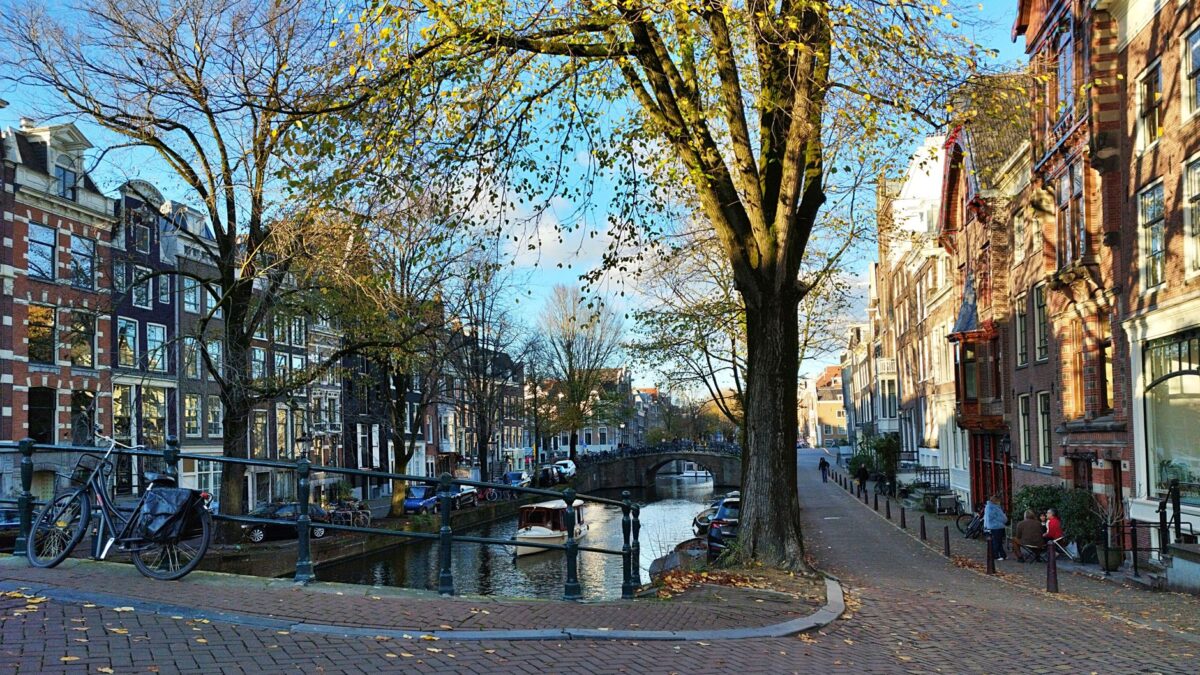
Amsterdam in November is a study in contrasts. The air bites at 3°C, the sky is a heavy grey by 16:53, and the terraces are empty while the museums are packed. But if you look past the tourist traps on Dam Square, you’ll find a city that is intimate, efficient, and surprisingly affordable if you know where to put your euros. As a local host, I want to cut through the hype and give you a realistic breakdown of what it actually costs to live like a resident for a few days.
The Reality of Accommodation Costs
Housing is the single biggest expense in Amsterdam, driven by a chronic shortage of supply. If you are looking at long-term stays, a modest one-bedroom flat in the city centre runs around €2,208 per month, with prices ranging from €1,500 to €2,800 depending on the neighbourhood. Outside the centre, you might find something for €1,677–€1,712 monthly. For short-term visitors, this scarcity trickles down to hotels.
In the shoulder season of October and November, a mid-range hotel double room in the Canal Belt or Centrum will cost you roughly €165–€185 per night. If you are willing to step back slightly or travel in low season, budget options can drop to €65–€75 per night. However, I advise against staying in the immediate Red Light District (De Wallen) unless you specifically want the nightlife; the noise levels there persist late into the night. Instead, consider districts like Amsterdam-Noord, which offers post-industrial charm, street art, and significantly cheaper rents, reachable via free ferries across the IJ.
Getting Around Without Breaking the Bank
One of the best-kept secrets for budget travelers is how cheap public transport is relative to other European capitals. Amsterdam uses the OVpay system, meaning you simply tap in and out with any contactless debit or credit card, phone, or watch on GVB trams, buses, metros, and NS trains. There is no need to buy an old-school OV-chipkaart anymore.
A single local transit fare—specifically a GVB 1-hour ticket for unlimited transfers within 60 minutes—is about €3.40. If you plan to move around extensively in a day, the GVB 1-day (24h) transit ticket is available for €10.00. Crucially, daily spending on public transport is automatically capped at €10.50. This makes navigating the city incredibly predictable. For longer stays, a monthly unlimited subscription costs around €110, though this is primarily for residents. Visitors should stick to the pay-as-you-go model or consider the I amsterdam City Card if they plan to visit multiple paid museums, as it bundles unlimited GVB travel with entry fees.
Food and Drink: From Markets to Brown Cafés
Amsterdam’s culinary scene is diverse, reflecting its multicultural population. You do not need to eat at expensive canal-side restaurants to enjoy excellent food. A meal at an inexpensive local place—a simple lunch or dinner without drinks—costs approximately €15–€20. For a more authentic experience, head to the Albert Cuyp Market in De Pijp. Here, you can grab fresh stroopwafels, raw herring, or Indonesian dishes for a fraction of restaurant prices. The market operates Monday through Saturday from roughly 09:30 to 17:00.
If you prefer dining out, the Jordaan district offers narrow canals and hidden courtyards (hofjes) lined with brown cafés and galleries. A casual dinner in these areas will set you back more than a market snack but less than a fine-dining experience. Be aware that many cafés and market stalls are effectively cashless, so ensure your Visa or Mastercard works for contactless payments. While coffeeshops legally sell cannabis to adults 18+, remember that alcohol and cannabis cannot be consumed together in public, and open containers are banned in much of the centre.
Attractions and Cultural Experiences
Museum prices in Amsterdam have risen but remain reasonable compared to global standards. The Rijksmuseum, home to Rembrandt’s Night Watch and Vermeer, charges €25 for adults in 2026. Timed-entry slots are mandatory, even for pass holders. The Van Gogh Museum, featuring Sunflowers and The Bedroom, also requires advance booking due to high demand. The Stedelijk Museum, showcasing modern and contemporary art, costs €22.50 for adults, with free entry for those under 18.
The Anne Frank House is a must-visit but comes with logistical challenges. Tickets are online-only and routinely sell out days or weeks in advance. It is located on Prinsengracht 263, behind a bookcase in the house where Anne wrote her diary. Budget travelers might appreciate free alternatives like Fo Guang Shan He Hua Temple on Zeedijk, one of Europe’s largest Chinese Buddhist temples, which is free to enter. During your visit, keep an eye out for seasonal events like the Amsterdam Light Festival, which lights up the canals with around 20 light artworks along a ~4.5 km walking route, with lights on daily from 16:30.
Daily Budget Totals
To help you plan, here are rough daily totals based on current prices:
- Budget Traveler: €80–€100 per day. Includes a budget hotel or hostel (€65–€75), self-catered meals or market snacks (€15–€20), and limited public transport use (capped at €10.50/day).
- Mid-Range Traveler: €150–€200 per day. Includes a mid-range hotel (€165–€185/night, split if sharing), one sit-down meal (€20–€30), and full public transport access.
- Comfortable Traveler: €300+ per day. Includes higher-end accommodation, multiple dining experiences, private tours, and flexible transport options.
Remember, Amsterdam is safe but pickpocketing is a risk in crowded areas like Dam Square and on trams heading to Museumplein. Use two locks for bikes if you rent one, as theft is endemic. With careful planning, you can experience the Golden Age beauty and modern vibrancy of Amsterdam without straining your wallet.
Frequently asked questions
How much does a night in an Amsterdam hotel cost?
A mid-range hotel double room in the Canal Belt costs around €165–€185 per night in the shoulder season. Budget options can drop to €65–€75 per night.
Is public transport expensive in Amsterdam?
No. Using OVpay, a single tram or metro ride is about €3.40, and daily spending is automatically capped at €10.50, making it very affordable.
Do I need cash for food in Amsterdam?
Most cafés and market stalls are effectively cashless. You should rely on contactless Visa or Mastercard payments, as Dutch debit cards are often maestro/V PAY-style.
How much does it cost to visit the Rijksmuseum?
The adult ticket price is €25 in 2026. Timed-entry slots are mandatory, so you must book in advance even if you have a city pass.
Things to do in Netherlands
 Amsterdam Free tour World War II and Anne Frank
 Amsterdam Highlights and Hidden Gems Walking Tour with Fun Guide
 Explore Amsterdam in 75 Minutes – Pedicab Rickshaw City tour
 Private All-Inclusive Cruise with Captain
 Amsterdam: Private Tour to Keukenhof and Flower-Farm with Ticket
 The Ultimate Craft Beer Adventure in Amsterdam!