How much does a trip to Norway cost?
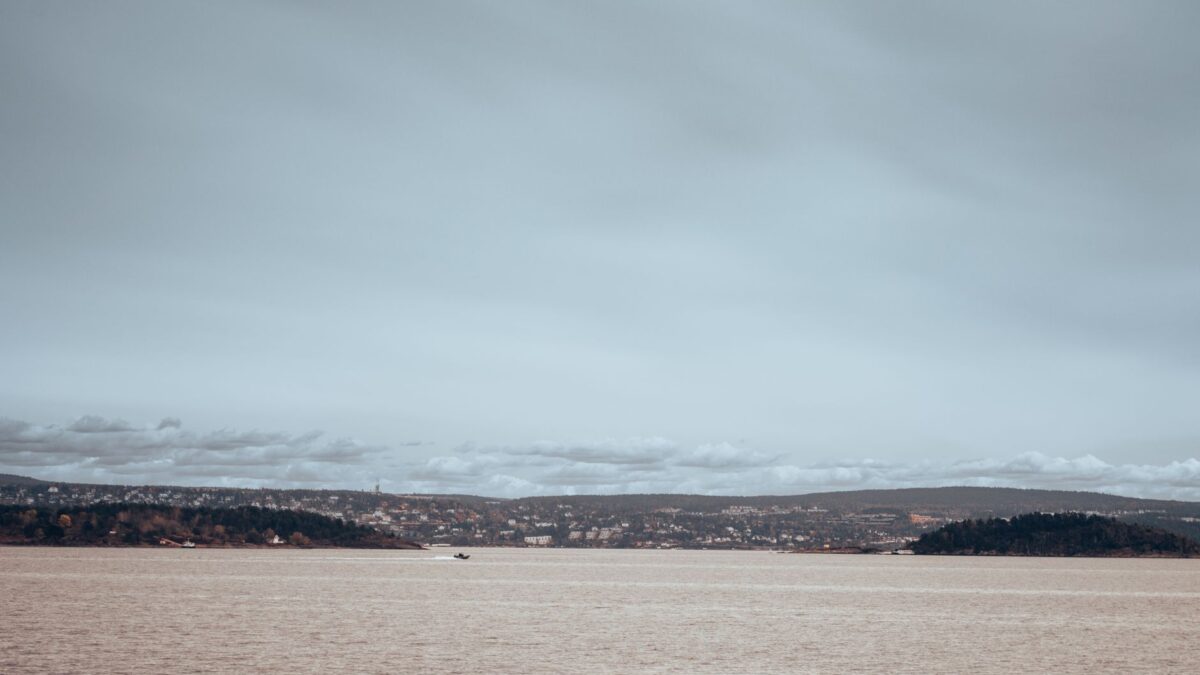
September in Oslo feels like a hinge. The light is still generous, stretching out to 19:29, but the air has turned crisp enough to warrant a wool layer. You’re standing near Aker Brygge, watching the fjord turn steel-grey under a light drizzle, and you’re doing the mental math that every visitor to Scandinavia eventually faces: how much will this actually cost? It’s not a trick question, but it is a serious one. Norway doesn’t do cheap, but it does do value—if you know where to look.
The Reality of Daily Spending
Let’s start with the numbers that matter most: your daily burn rate. In a city where GDP per capita sits at nearly $95,000, prices reflect that prosperity. If you are travelling on a budget, aiming to stretch every krone, expect to spend around 800–1,000 NOK ($75–$93) per day. This means hostel dorms, self-catering from Grønland Bazaar, and using public transit wisely. A mid-range traveller comfortable with casual dining and private rooms should budget 1,500–2,200 NOK ($140–$205). For those seeking comfort, staying in design hotels like Home Hotel Gabelshus or enjoying sit-down dinners at places like Den Glade Gris, you’ll easily exceed 3,000 NOK ($280) a day.
The good news? Oslo is surprisingly manageable if you avoid the tourist traps. The city has even implemented temporary subsidies to keep costs down. As of May 2026, the monthly transit pass was slashed from 805 to 655 NOK, a rare relief in a market where rents for a modest one-bedroom flat in Bærum can hit 16,700 NOK monthly. Use that transit discount; it’s your best friend.
Food & Drink: Where the Krone Goes
Eating out in Norway is an investment. A cappuccino at a specialty roaster like Tim Wendelboe in Grünerløkka will set you back about 55 NOK ($5). It’s worth it—the coffee culture here is world-class—but doing three of these a day adds up fast. Lunch is the strategic meal. An inexpensive lunch spot or café meal runs 150–200 NOK ($16), which gets you a solid hot dish. If you want to save, head to Oslo Street Food or Vippa. There, a burger or kebab combo costs roughly 150–190 NOK ($16), offering variety without the restaurant markup.
Dinner changes the equation. A main course at a mid-range sit-down restaurant averages 250–350 NOK ($28). Places like Elias mat & sånt or Seaport Restaurant offer beautiful views and quality ingredients, but check the menu before ordering. Alcohol is heavily taxed. A half-litre of draft beer at a pub like Fuglen will cost 110–120 NOK ($11). If you’re drinking locally, consider buying milk (about 24 NOK/$2.20) and fresh bread (around 39 NOK/$4) from a Rema 1000 or Kiwi and hosting a simple dinner in your accommodation. Groceries are expensive, but they are high quality.
Moving Around Without Breaking the Bank
Oslo’s public transport system, Ruter, is efficient and covers everything from the city centre to the outer suburbs. A single adult fare in Zone 1 is 46 NOK ($4), valid for 60 minutes. If you’re moving around frequently, buy the 24-hour pass for 137 NOK or the 7-day pass for 379 NOK. Avoid buying single tickets repeatedly; the math simply doesn’t work out.
Be careful with fare evasion. Fines range from 1,250 to 1,530 NOK, so always validate your ticket in the app. The new tourist Oslo Pass bundles transit with entry to about 30 museums, which can be a great deal if you plan to visit the Vigeland Sculpture Park, the Fram Museum, or the Kon-Tiki Museum. Note that while the Flytoget express train from Gardermoen takes only 20 minutes, it’s pricey. For a budget option, take the regular commuter train (Lysakerbanen) which stops at Oslo S for a fraction of the cost.
Attractions: Free Views and Paid Histories
You don’t need to spend money to experience Oslo’s soul. The Oslo Opera House in Bjørvika is free to walk on. Climb its sloping marble roof for panoramic views of the fjord—it’s an architectural marvel by Snøhetta and completely accessible. Similarly, Vigeland Sculpture Park in Frognerparken is open year-round and features over 200 bronze and granite sculptures, including the iconic Monolith and Sinnataggen (‘Angry Boy’). It’s a profound, free introduction to Norwegian art.
For paid attractions, the MUNCH museum in Bjørvika houses the world’s largest collection of Edvard Munch’s works, including multiple versions of The Scream. Tickets run approximately 190 NOK. The National Museum, opened in 2022, is another heavyweight, housing The Scream alongside Nordic design history. If you’re interested in maritime history, the Bygdøy peninsula offers the Fram Museum (polar exploration) and the Norsk Folkemuseum (open-air heritage). Remember, many museums are free on Sundays during specific hours or for students with valid ID, so always check the official websites before you go.
Seasonal Tips for September
Visiting in mid-September offers a unique advantage: fewer crowds and lower prices than peak summer. You might catch the Ultima Oslo Contemporary Music Festival or the Oslo Architecture Triennale, both happening right now. These events add cultural richness without the logistical headaches of August’s Øya festival season. The weather is mild, around 13–16°C, perfect for walking the waterfront paths from Aker Brygge to Tjuvholmen.
One practical note: Oslo is safe, but petty theft can occur around Jernbanetorget and Grønland at night. Keep your belongings secure. Also, be aware that digital life runs on Vipps, the local payment app. While credit cards are widely accepted, having a mobile payment method handy speeds up transactions at smaller cafes and street vendors.
Norway is expensive, yes. But it is also honest. You pay for cleanliness, safety, infrastructure, and natural beauty. Plan ahead, use the transit passes, eat like a local, and you’ll find that a trip to Oslo is not just affordable, but unforgettable.
Frequently asked questions
How much does a beer cost in Oslo?
A half-litre of draft beer at a bar or pub typically costs between 110 and 120 NOK (approx. $11). Prices are higher in tourist-heavy areas and clubs.
Is public transport expensive in Oslo?
Single fares are 46 NOK ($4), but daily and weekly passes offer better value. A 24-hour pass is 137 NOK, and a 7-day pass is 379 NOK. Monthly passes were subsidised to 655 NOK in 2026.
What is a reasonable daily budget for Oslo?
Budget travellers should aim for 800–1,000 NOK ($75–$93) daily. Mid-range travellers should budget 1,500–2,200 NOK ($140–$205), while comfortable travellers may spend over 3,000 NOK ($280).
Are there free things to do in Oslo?
Yes. Walking the roof of the Oslo Opera House, visiting Vigeland Sculpture Park, and exploring the Akershus Fortress grounds are all free activities with stunning views.
Things to do in Norway
 Northern Lights Adventure
 Likely to sell out
Northern Lights Expedition Tromsø - 6 people - Arctic Photo Guide
Likely to sell out
Northern Lights Expedition Tromsø - 6 people - Arctic Photo Guide
 Northern Lights Private tour with your special ones - Greenlander
 Special offer
Private Husky Sledding: Drive or Ride – 2 Hours from Tromsø
Special offer
Private Husky Sledding: Drive or Ride – 2 Hours from Tromsø
 Special offer
Oslo's Scenic Fjord Hike & Chef's Norwegian Forest Waffle
Special offer
Oslo's Scenic Fjord Hike & Chef's Norwegian Forest Waffle
 Via Ferrata Åndalsnes West Wall