
How much does a trip to Rwanda cost?
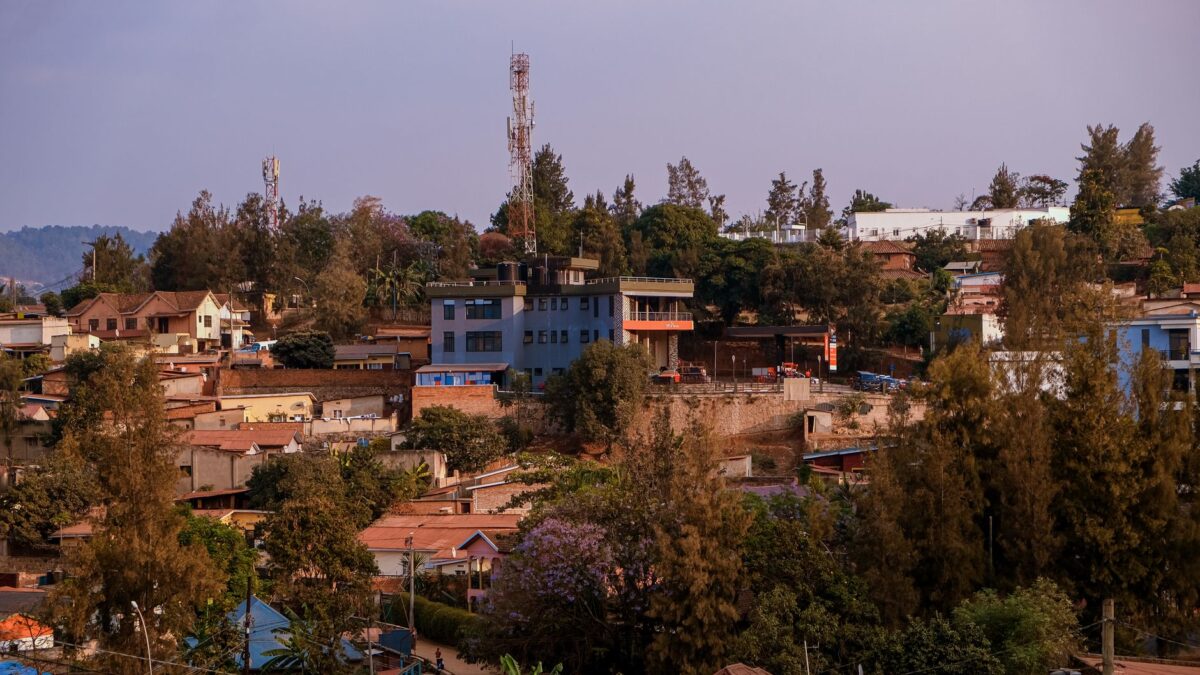
The heat hits you first in Kigali, a thick, humid embrace that clings to your skin even before the sun fully crests the seven hills. It is September 2026, and the city is buzzing with an energy that feels both familiar and electrically new. If you are planning to walk these streets, whether to track gorillas in the north or navigate the sleek skyline of the capital, you need to know what your money buys here. Rwanda is not cheap like some Southeast Asian destinations, but it is far from the prohibitive costs of Western safari hubs. The trick lies in understanding the rhythm of the local economy.
The Daily Pulse: Budgeting in Rwandan Francs
First, let’s talk currency. You will pay in Rwandan francs (RWF). While the US dollar is king for big-ticket items like gorilla permits, your daily life runs on RWF. As of early 2024, the exchange rate hovers around 1,318 RWF to one US dollar, though this fluctuates. Inflation sits at roughly 5.9%, meaning prices are slowly climbing, especially in housing where rents have jumped 8–20% year-on-year in recent quarters. Fuel price hikes have also nudged up transport costs. Keep this in mind: a budget that worked last year might feel slightly tighter today.
For the backpacker or budget traveler, survival in Kigali is surprisingly affordable if you eat and move like a local. A modest one-bedroom flat in a safe neighborhood might cost you between 350,000 and 600,000 RWF monthly, but for a short trip, you are looking at guesthouses or hostels. Food is your best friend here. A hearty lunch buffet—a plate piled high with rice, beans, plantain, and meat—costs between 2,500 and 5,000 RWF (about $2.80). Street food is even cheaper; a chapati runs 200–300 RWF, and goat brochettes (grilled skewers) from a roadside stall in Nyamirambo are just 800–1,500 RWF each.
Transport for the budget traveler is the KBS bus system. A single ride within the city costs roughly 300–800 RWF ($0.40). However, buses are cashless now; you must use the Tap&Go smart card, available at yellow-vested agents at terminals. This small hurdle saves you from fumbling for change. For the mid-range traveler, who likely prefers comfort over crunching numbers, a moto-taxi (via apps like Yego or SafeMotos) is convenient. Expect to pay 1,000–2,000 RWF ($1.10) for short hops. This is where your budget shifts significantly.
Mid-Range Comfort: Dining and Staying
If you want air-conditioned rooms, reliable Wi-Fi, and meals that don’t involve sitting on plastic stools, the costs rise. Mid-range accommodation in areas like Kimihurura or Kacyiru will set you back considerably more than a hostel bunk. Kimihurura is the expat hub, home to the Kigali Convention Centre and the vibrant restaurant strip along the main road. Here, you can find boutique hotels or serviced apartments that cater to international business travelers attending events like the Africa Food Systems Forum.
Dining out is where many budgets get eaten alive. A three-course dinner for two at a nice spot in Kimihurura or Kiyovu averages around 40,000 RWF, so budget 15,000–20,000 RWF ($13) per person. Places like Le Petit Chalet or Boho Restaurant offer European-inspired menus with Rwandan twists. If you are a coffee lover, a cappuccino at ONECUP Coffee House or Golden Coffee Roastery will cost about 3,500 RWF ($2.70). Fresh milk is 1,100–1,400 RWF per liter, and a loaf of white bread is around 1,100–1,500 RWF. Local beer, Primus or Mutzig, is a bargain at 1,300–1,500 RWF ($1.10), perfect for cooling down after a day of sightseeing.
For comfortable travel, you might stay in Nyarutarama, the “golden triangle” for expats, near the Kigali Golf Club and Lake Nyarutarama. Or perhaps Kiyovu, with its colonial architecture and views of the city. These areas command higher prices but offer security, greenery, and proximity to upscale dining like Heaven restaurant or Repub Lounge. Transport here often involves Uber or private drivers, which are safer and more predictable than hailing a random car, costing significantly more than the 300 RWF bus fare.
Attractions: What Costs Money and What Doesn’t
Rwanda’s greatest assets are natural and historical, and the entry fees reflect a balance between conservation and accessibility. The Kigali Genocide Memorial in Gisozi is essential. Entry is free, though a donation of around 5,000 RWF is appreciated. Allow two to three hours here; it is a sobering, profound experience that contextualizes everything else in the country. Nearby, Kandt House Museum, located in Richard Kandt’s 1907 house, offers a glimpse into the city’s founding. Entry is nominal, usually under 5,000 RWF.
Art lovers should head to the Inema Arts Center in Kimihurura. Founded by brothers Innocent and Emmanuel Nkuranga, this gallery and studio hub showcases contemporary Rwandan art. Entry is free, and they often have dance performances. For a more immersive cultural experience, take a walking tour of Nyamirambo, organized by the Nyamirambo Women’s Center. These tours support the community directly and typically cost around 10,000–15,000 RWF, including snacks and drinks.
However, the real expense awaits outside Kigali. Mountain gorilla trekking in Volcanoes National Park requires a permit costing approximately US$1,500. This is non-negotiable and significantly impacts the total cost of a trip. Akagera National Park, for Big Five game drives, is more affordable but still requires vehicle hire and park fees. Within the city, walking through Kimironko Market is free, but bargaining is expected. Buy imigongo cow-dung paintings or agaseke baskets here for much less than in tourist shops.
Practical Tips for Managing Your Wallet
Mobile money is the backbone of Rwanda’s economy. MTN MoMo (*182#) is ubiquitous. Even street vendors accept it. Set this up immediately upon arrival using your SIM card from MTN or Airtel. It makes paying for motos, markets, and even rent seamless. Carrying large amounts of cash is unnecessary and potentially unsafe. Most restaurants and hotels accept cards, but smaller establishments prefer MoMo or cash.
Visa costs vary by nationality, but most tourists pay around US$50 for a 30-day visa on arrival or via e-visa. Ensure your passport is valid for six months beyond your entry date. Safety is generally high; Kigali is one of Africa’s safest capitals. However, respect local laws: no plastic bags are allowed, and do not photograph government buildings or embassies. Also, note that on the last Saturday of every month, Umuganda (community work) pauses all traffic and business activities from 8 am to noon. Plan accordingly.
In summary, a budget traveler can survive on $30–40 a day if they eat locally and use buses. A mid-range traveler should budget $80–120 a day for comfortable lodging, dining, and transport. Add the gorilla permit, and the total skyrockets, but the experience is unparalleled. Rwanda rewards those who engage with its culture, whether through a 5,000 RWF lunch buffet or a 1,500 RWF beer at sunset. Come prepared, respect the rhythms, and let the hospitality of the land carry you.
Frequently asked questions
How much does a meal cost in Kigali?
A local lunch buffet with rice, beans, and meat costs between 2,500 and 5,000 RWF ($2.80). A mid-range restaurant dinner is roughly 15,000–20,000 RWF ($13) per person.
Is it expensive to travel around Kigali?
Public buses via the Tap&Go card cost only 300–800 RWF ($0.40). Moto-taxis are affordable at 1,000–2,000 RWF ($1.10) for short trips, while Uber/private cars are more expensive.
What is the cost of a gorilla permit?
Mountain gorilla trekking permits in Volcanoes National Park cost approximately US$1,500, which is a significant fixed cost for any trip to Rwanda.
Do I need cash or can I use cards in Kigali?
Mobile money (MTN MoMo) is the primary payment method for locals and many businesses. Cards are accepted in hotels and upscale restaurants, but carrying some cash for markets and small vendors is useful.
How much does a cup of coffee cost in Kigali?
A cappuccino at a local café like ONECUP or Golden Coffee Roastery costs around 3,500 RWF ($2.70).


