How much does a trip to Saudi Arabia cost?
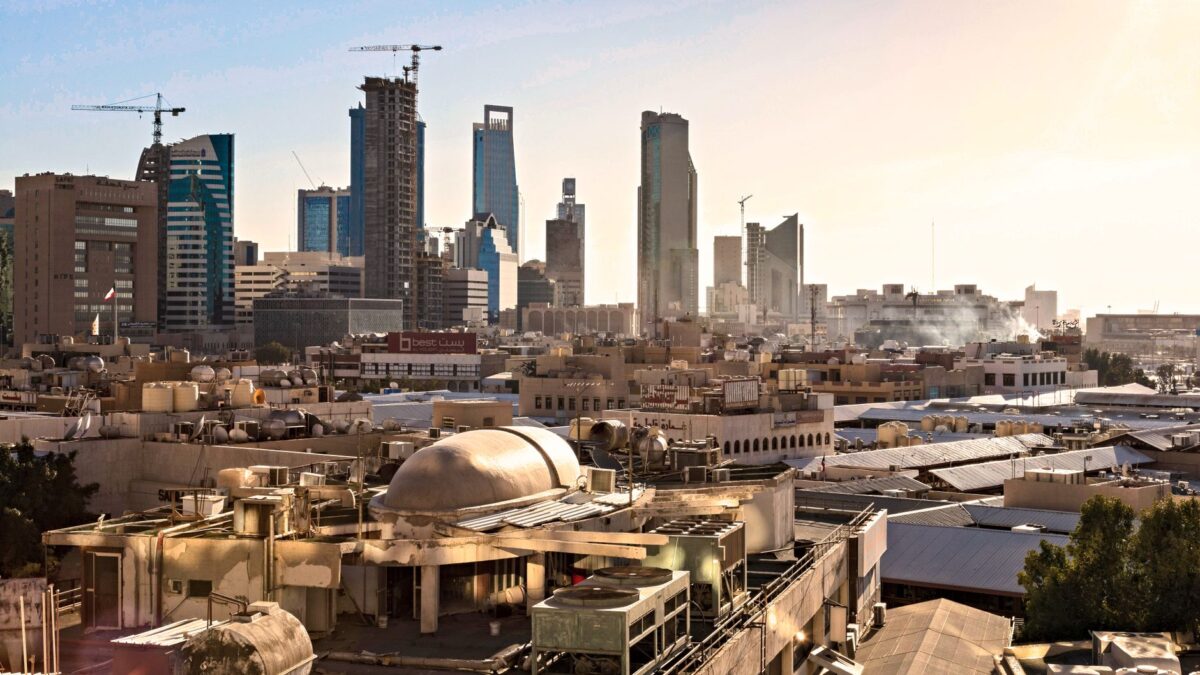
The first thing you notice stepping out of King Khalid International Airport in August is the heat—it hits you like a wall, even at 9 p.m. The sky is overcast but the air sits heavy at 36–45°C, and you suddenly understand why every Saudi you meet says the same thing: “The best time to visit is after sunset.” By the time you reach your hotel in Al Olaya, the city lights are flickering on along King Fahd Road, and the Kingdom Centre Tower glows like a beacon. You’re here, and you’re about to learn what a trip to Riyadh actually costs—not from a guidebook, but from the ground.
Currency, prices, and how to think about money here
Saudi Arabia’s currency is the Saudi riyal (SAR), pegged at about 3.75 per US dollar. That peg has held for decades, so if you’re coming from the US, Europe, or the Gulf, the math is simple: roughly 4 riyals to the dollar, 4.5 to the euro. Inflation is low—around 2.1%—so prices in cafes and taxis haven’t jumped much in the last year. What has changed is everything else: the entertainment calendar, the new metro, and the sheer number of things to do in Riyadh. You’ll want a budget that can flex, because this city rewards a little extra spending.
Accommodation: where you sleep shapes your budget
Let’s start with the biggest line item. If you’re a budget traveler, you can find clean, basic rooms in areas like Al Malaz or Tuwaiq for around SAR 150–250 per night. These neighborhoods have character—Al Malaz is home to King Abdullah Park and the Riyadh Zoo, and Tuwaiq is close to Wadi Hanifah for a morning walk before the heat builds. Mid-range options, like the NOVO HOTEL or Liora Suites Hotel in the central districts, run about SAR 350–600 a night. You get air conditioning that actually works, a decent breakfast, and a location that doesn’t require a 40-minute commute. For a comfortable, even luxurious stay, look at the Ascott Rafal Riyadh or Melissa Hotel Riyadh—those run SAR 700–1,200 a night, especially during summer when rates dip slightly because many residents are abroad. If you want the full Riyadh experience, book a room near the Kingdom Centre Tower—the Sky Bridge observation deck is right above you, and you can watch the city glow from your window.
Daily accommodation totals:
– Budget: SAR 200
– Mid-range: SAR 450
– Comfortable: SAR 900
Food: from street shawarma to five-star grills
Riyadh is a food city, and you don’t have to spend a fortune to eat well. Start with the classics: Mama Noura is a legend for shawarma and falafel—a full meal runs SAR 15–25. fi glbak and The Butcher Shop & Grill offer excellent grills and Middle Eastern plates; expect SAR 50–100 per person for a solid meal. For a splurge, Saddle House Riyadh in Hittin is a stylish spot where a multi-course dinner for two will run SAR 300–400. Coffee culture is serious here—Atmosphere Specialty Coffee and ULICA SPECIALTY COFFEE serve single-origin brews for SAR 15–25 a cup, and Elixir Bunn Coffee Roasters is worth the detour. Don’t forget to try Cafu Cafe or Andarena Cafe for shisha and people-watching in the evening. If you’re self-catering, a supermarket run is cheap: bread, cheese, fruit, and water for a day runs about SAR 30–40.
Daily food totals:
– Budget (street food + home snacks): SAR 50
– Mid-range (mix of cafes and restaurants): SAR 120
– Comfortable (dining out, nicer venues): SAR 300
Transport: metro, taxis, and the cost of getting around
The Riyadh Metro is the game-changer. Opened in late 2024, it has six color-coded lines—Blue, Red, Orange, Yellow, Green, Purple—and the smart Darb card works for both the metro and the bus. A single trip on the metro starts at SAR 2–4, and a full day of hopping around won’t cost more than SAR 10. If you’re staying near the Al Olaya metro station on Line 1, you can reach most attractions without a car. For trips to the mall or late-night events, Uber and Careem are everywhere; a 15-minute ride inside the city runs SAR 20–35. The metro has also made it easy to get from the airport to the city—the Blue Line connects to King Khalid International Airport, though the best route depends on where you’re staying. If you’re heading to the Diplomatic Quarter or Hittin, expect a slightly longer ride but the stations are modern and clean.
Daily transport totals:
– Budget (metro + occasional bus): SAR 15
– Mid-range (metro + a few Ubers): SAR 60
– Comfortable (taxis everywhere): SAR 150
Attractions: free history, paid spectacle
The best of Riyadh is surprisingly affordable. The National Museum is free—you can spend two hours tracing Arabia from prehistory to the oil era without spending a riyal. Masmak Fortress, the mud-brick citadel where King Abdulaziz recaptured the city in 1902, is also free or near-free; the bullet holes in the gate are a must-see. Souq Al Zal, the city’s oldest market, is free to wander—just bring cash for a small carpet or oud perfume (SAR 50–200 for souvenirs). The Edge of the World day trip costs about SAR 100–150 for your transport share if you join a group from Riyadh; the cliff itself is free. For paid entertainment, Boulevard Riyadh City and Boulevard World are the anchors of Riyadh Season—entry to the main district starts around SAR 50, with some zones and shows running SAR 100–200. If you’re here in August, you can catch SAIF 2026: a seven-week arts-and-workshops program at SAMoCA at JAX in the JAX District, running through August 29—workshop fees vary, but many are under SAR 50. And if you’re around for LEAP 2026 (Aug 31–Sep 3) at the Riyadh Exhibition & Convention Center, the tech festival is worth attending—some talks are free, others require a pass.
Daily attraction totals:
– Budget (free museums + walking): SAR 0–20
– Mid-range (one paid site + coffee): SAR 100
– Comfortable (Boulevard + workshop + nice dinner): SAR 400
Putting it all together: daily totals for three travel styles
Here’s what a day in Riyadh realistically costs, excluding international flights and visas (the eVisa is around SAR 395, valid for one year, multiple entry).
- Budget travel (hostel or budget hotel, street food, metro, free attractions): SAR 265 – 300 per day (~US$70–80).
- Mid-range (3-star hotel, casual restaurants, mix of metro and taxis, one paid attraction): SAR 620 – 700 per day (~US$165–190).
- Comfortable (4- or 5-star hotel, dining out, taxis everywhere, full entertainment): SAR 1,600 – 1,900 per day (~US$430–510).
These numbers are grounded in what you’ll actually pay in Riyadh today. Prices can shift a few riyals here and there—the season, the conference crowd, or the occasional special event like the SEA Expo (rescheduled to Aug 30–Sep 1, by the way, so expect hotel rates to spike that weekend). But generally, Riyadh is more affordable than you might think. The secret is to mix the high and low: a free morning at the National Museum, a SAR 15 shawarma for lunch, and a sunset at the Kingdom Centre Sky Bridge (entry is around SAR 60–100) before splurging on a rooftop dinner in Hittin. That’s the real Riyadh—where a billionaire and a backpacker can both have a perfect day, just on different budgets.
Practical money tips before you go
- Get a local SIM from STC (the classic plan is called Sawa), Mobily, or Zain—you’ll need a local number for almost everything, including ride apps and booking museums. Register it with your passport if you’re a tourist.
- Use Darb for the metro/bus—it’s cheaper than paying cash and you can top it up at stations.
- Tap with your credit card or a Mada debit card for most purchases; Riyadh is very cashless. ATMs are plentiful, but you’ll rarely need cash except at the souq.
- Dress modestly in public (shoulders and knees covered), especially when visiting historic areas. In the Diplomatic Quarter, the rules are a bit looser, but err on the side of covering up.
- Emergency number is 911 for police and ambulance; the city is exceptionally safe, day or night.
So, what does a trip to Saudi Arabia cost? The honest answer: it depends on you. But with a realistic budget and a sense of adventure, you can experience the best of Riyadh—from the echoes of Masmak to the neon of Boulevard—without breaking the bank or your thermometer. Just remember to bring a water bottle, a hat, and a willingness to see the city as it wakes up after Maghrib.
Frequently asked questions
How much does a budget trip to Saudi Arabia cost per day?
A budget traveler in Riyadh can manage on about SAR 265–300 per day (US$70–80), covering a budget hotel, street food, metro travel, and free attractions like the National Museum and Masmak Fortress.
What is the average cost of a meal in Riyadh?
Street food like shawarma from Mama Noura costs SAR 15–25. A casual restaurant meal is SAR 50–100, and a high-end dinner at Saddle House can run SAR 150–200 per person.
Is the Riyadh Metro cheap for tourists?
Yes, the Riyadh Metro is very affordable—a single trip costs SAR 2–4 on the Darb smart card, and a full day of travel rarely exceeds SAR 10, making it the cheapest way to see the city.
Are the main historical attractions in Riyadh free?
The National Museum and Masmak Fortress are free or near-free to enter, making them essential stops for budget travelers. The Edge of the World cliff is also free, though transport needs to be arranged.
How much does a Saudi eVisa cost?
The Saudi eVisa for tourism costs about SAR 395 (US$105), is valid for one year, allows multiple entries, and covers up to 90 days per stay. Health insurance is included, and it's available for nationals of ~66 countries or holders of a used US/UK/Schengen visa.
Things to do in Saudi Arabia
 Guided Tour in Jeddah by local woman
 Edge of The World Riyadh Transfer in an Air-conditioned Car
 AlUla City Tour–5 Attractions with Pickup& Drop Off-Hotel/Airport
 Walking Tour in Old Riyadh: Al Masmak Fortress and Souq Al Zal
 Riyadh Desert Safari Dune Bashing, ATV, camel ride, and Sandboard
 Dubai Desert Safari: with Camel Ride, live entertainment and bbq