

How much does a trip to Seychelles cost?
There is a specific kind of heat that settles over Victoria in early October. It’s not the sharp, biting cold of a European winter, but a humid, hazy weight that presses against your skin, making the air feel thick enough to sip. You step off the plane or out of a taxi at Roche Caiman, and the first thing you notice isn’t just the temperature—26–28°C with a feels-like of 34°C—but the realization that you are in one of the most expensive places on Earth. Yet, as I walk past the Sir Selwyn Selwyn-Clarke Market, watching locals navigate the narrow streets toward the botanical gardens, I see that cost is manageable if you know where to look. Seychelles imports roughly 90% of its consumer goods, which means the price tags reflect logistics, not luxury alone. But with the right strategy, you can experience this archipelago without draining your savings.
The Reality of Daily Costs: Food and Drink
Let’s start with what fills your stomach, because dining here varies wildly depending on where you set your fork. If you wander into a mid-range restaurant like The Copper Plate or Perry’s Grillz for a three-course meal for two (without drinks), you’re looking at around SCR 700, or roughly $50. It’s a pleasant experience, often with ocean views, but it adds up quickly if done daily.
However, the true heart of Seychellois cuisine—and the best value—is found in the local eateries. A plate of rice and curry, whether filled with fresh octopus, chicken, or fish, will cost you between SCR 110 and SCR 200 (about $11). This is the daily staple for many residents, and it is delicious, authentic, and affordable. For a quick bite, an inexpensive local eatery might charge around SCR 250 ($17) for a hearty lunch.
If you prefer coffee over curry, grab a cappuccino at Gotcha or Wildflour Cafe for about SCR 55 ($4). And yes, even a local beer from SeyBrew runs about SCR 55. Groceries also carry a premium; a litre of milk is around SCR 30, and a 500g loaf of white bread is roughly SCR 24. If you choose to self-cater, budget carefully, as these small items accumulate faster than you might expect.
Accommodation: Where Your Money Goes Overnight
Housing costs in Seychelles are significant, reflecting the high GDP per capita of nearly $19,500. For tourists, however, there is a tiered system that allows flexibility. A comfortable night in a mid-range hotel or guesthouse—such as the Eden Panoramic or Hilltop Boutique Hotel—will typically cost between SCR 1,800 and SCR 2,600 (around $150). These places offer safety, cleanliness, and often breakfast included, which helps offset grocery costs.
For those seeking a more residential feel, consider areas like Mont Fleuri or Saint Louis. While short-term rentals vary, long-term modest one-bedroom flats in Victoria rent for approximately SCR 12,000 to SCR 18,000 per month. This indicates that nightly rates are indeed a premium, but staying slightly outside the immediate harbour district can sometimes yield better value. Always confirm availability directly, as the market fluctuates with the seasons.
Getting Around: The Bus Advantage
This is where you can save the most money. In February 2026, the government cut public bus fares to a flat rate, making transit incredibly accessible. A single ride on the SPTC (Seychelles Public Transport Corporation) bus costs only SCR 8–12 (about $0.70). You pay cashless via card, and the buses radiate from the main terminal in central Victoria, reaching almost every corner of Mahé.
If you plan to move frequently, a monthly unlimited pass is available for SCR 360 (roughly $25). Compare this to a short taxi ride, which has a base fare of around SCR 95 plus SCR 43 per kilometre. Taxis are convenient for late nights or heavy luggage, but for daily exploration—from the Clock Tower to Beau Vallon—the bus is your friend. Just remember that inter-island travel requires the Cat Cocos fast ferry from Victoria’s Inter-Island Quay to Praslin and La Digue, which is a separate, higher-cost expense.
Attractions and Hidden Gems
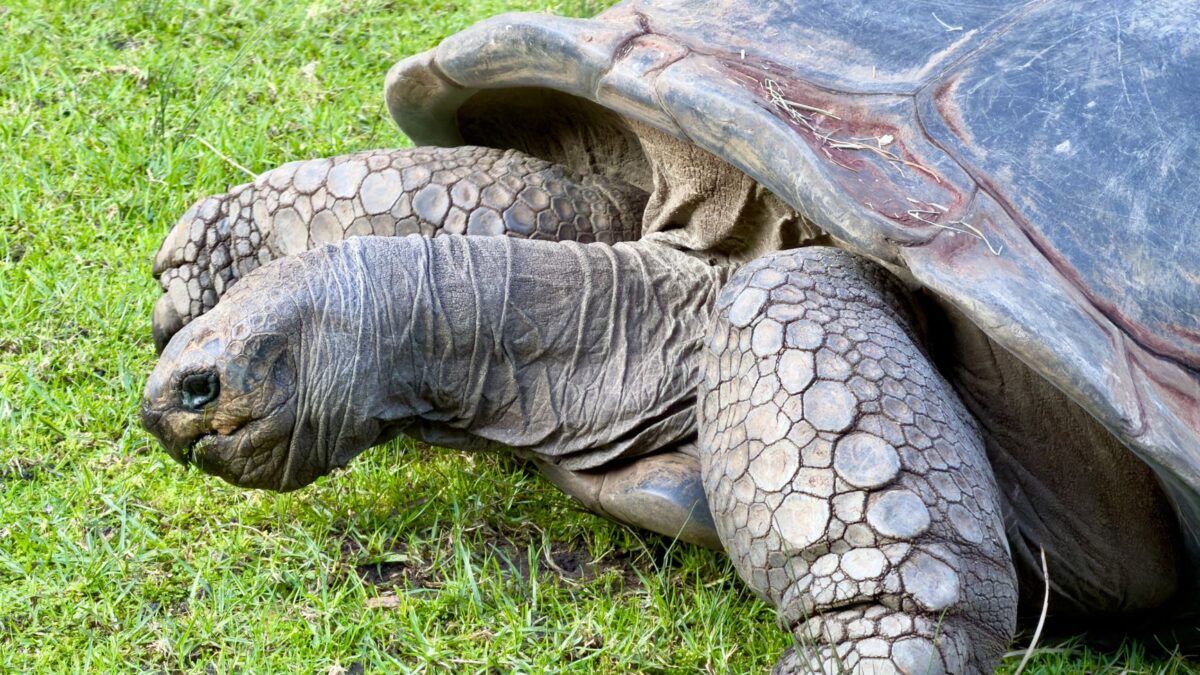
Many of Seychelles’ greatest treasures are free or low-cost. The Seychelles National Botanical Gardens in Mont Fleuri are home to Aldabra giant tortoises and endemic flora; while there may be a small entry fee, it is negligible compared to guided tours. The Bicentennial Monument (“Three Wings”) and the Victoria Clock Tower (“Lorloz”) are iconic landmarks visible from the street, requiring no ticket to admire.
For art lovers, the Kaz Zanana / George Camille Gallery offers a deep dive into Creole craftsmanship, featuring prints and paintings that define the island’s aesthetic. Nearby, the Arul Mihu Navasakthi Vinayagar Temple provides a striking architectural contrast to the colonial history seen at the State House. If you visit in late October, you might catch the Festival Kreol, with its parades and moutya music, though dates are often announced last minute. Even a simple walk along the promenade near the inner harbour reveals the tuna fishing industry that powers much of the local economy.
Practicalities: Visa, Banking, and Safety
Before you pack, note that Seychelles is visa-free for all nationalities, but you must obtain a Travel Authorisation in advance for about EUR 10 via seychelles.govtas.com. On arrival, you receive a free Visitor’s Permit for up to three months. You must show proof of accommodation, an onward ticket, and minimum funds of US$150 per day (or US$75 if hosted).
Safety is generally high, but petty theft can occur near the market and Beau Vallon. Keep valuables secure. For banking, seven licensed banks operate in Victoria, including Nouvobanq and Absa Bank. Opening an account is difficult for short-term visitors, so rely on cards or cash. Mobile connectivity is easy to secure with prepaid SIMs from Airtel or Cable & Wireless at the airport or kiosks in town.
Ultimately, Seychelles is expensive, but it is not impenetrable. By using the bus, eating local curry, and choosing mid-range lodging, you can enjoy the warmth, the wildlife, and the wonder of this Indian Ocean paradise without breaking the bank. The key is to embrace the local rhythm, not just the tourist trail.
Frequently asked questions
How much does a meal cost in Seychelles?
A meal at an inexpensive local eatery averages around SCR 250 ($17), while a three-course dinner for two at a mid-range restaurant costs approximately SCR 700 ($50).
Is public transportation cheap in Seychelles?
Yes, SPTC bus fares were reduced to a flat rate of SCR 8–12 ($0.70) per ride in 2026, making it the most affordable way to get around Mahé.
Do I need a visa to enter Seychelles?
No visa is required, but all travellers must obtain a Travel Authorisation online for about EUR 10 before arrival to receive a free Visitor’s Permit upon landing.
What is the average cost of a hotel night?
Mid-range hotels and guesthouses typically charge between SCR 1,800 and SCR 2,600 (approx. $150) per night, though prices vary by season and location.


