
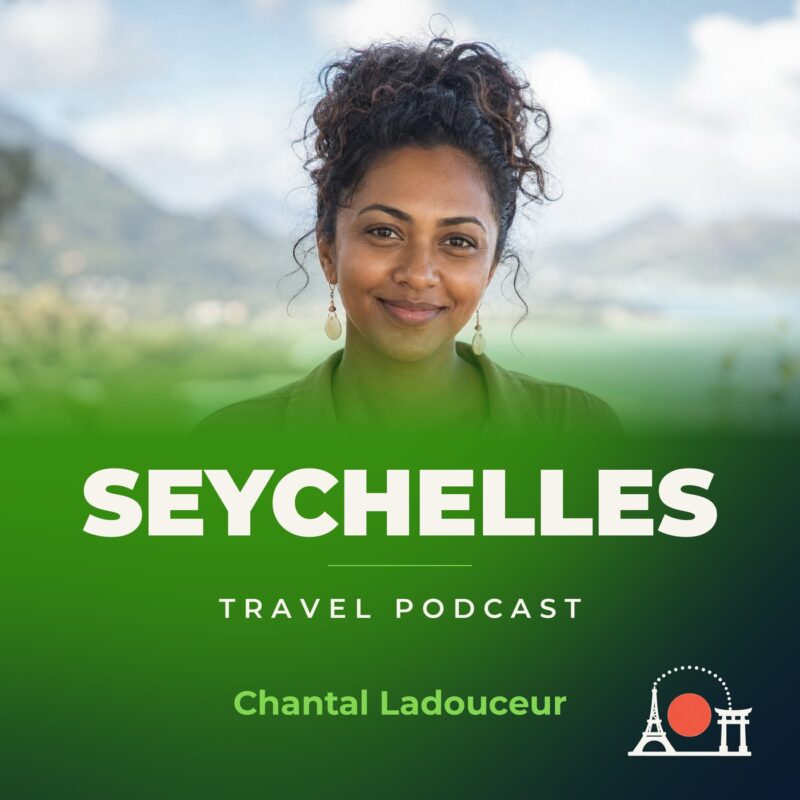
Seychelles Travel Podcast with Chantal Ladouceur
Hosted by Chantal Ladouceur — a new episode every day from Seychelles.
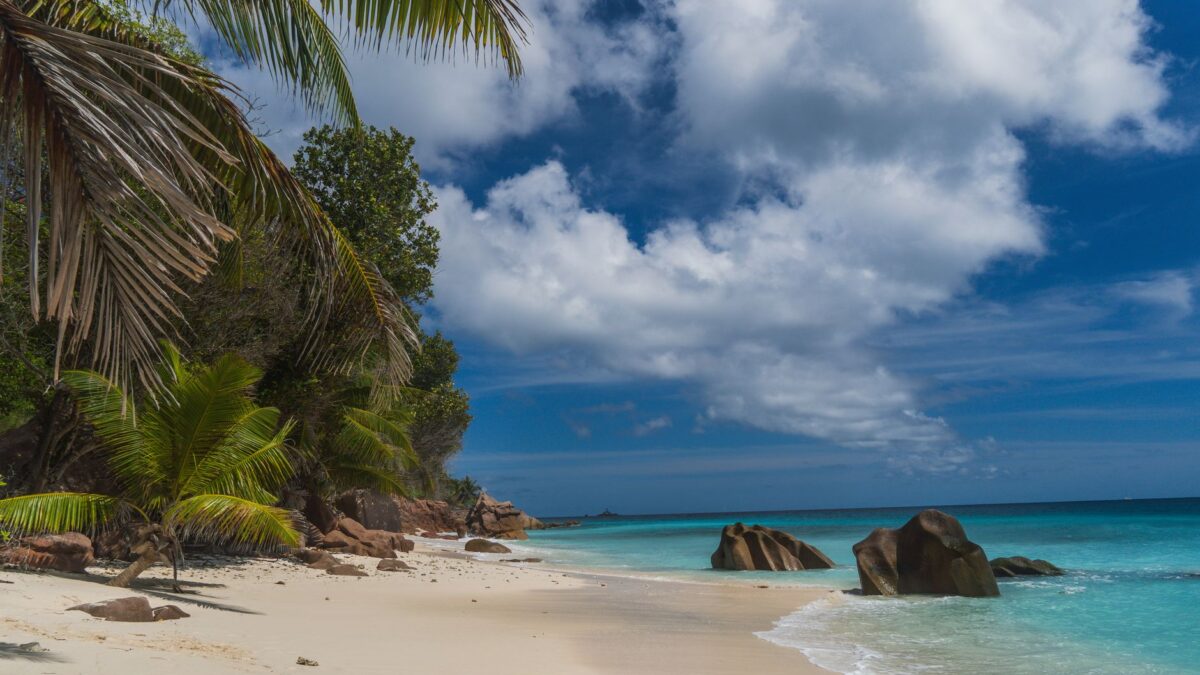
This podcast follows a single resident host travelling around Seychelles over a couple of years, staying in one place long enough to learn it before moving to somewhere connected to it. The archipelago ranges from the volcanic Mahé group, with its narrow coastal strip and rocky interior, to coral atolls that sit on the submarine Mascarene Plateau.
The route covers Mahé, where most of the population lives, Praslin and La Digue with their granitic hills and beaches, and less-visited Silhouette Island. The outer coral islands appear too, particularly Aldabra Atoll, an elevated reef known for its giant tortoises. The route depends on the sea, since the island group is split between granitic highs and coralline rims.
The show unfolds through the southeast monsoon from late May to September, when the southeast winds cool the islands, and the northwest monsoon from March to May, when the weather warms. Episodes return to the same coves, passes and plantation ruins in different conditions. Knowing a granitic island properly takes repeated visits.
Recent episodes
Things to do in Seychelles
 Likely to sell out
Private Full day Mahé island tour (1-2 persons)
Likely to sell out
Private Full day Mahé island tour (1-2 persons)
 Mahe half day tour
 Private Tour of Praslin Island Seychelles
 Private Nature Trail (Hiking) (1-2 persons)
 Explore Copolia Trail
 Private Nature Tours & Trail 1 to 5 persons
 Private Tour: Discover Mahe Beyond the Ordinary
 Omnibus service in Seychelles
Plan your trip to Seychelles
Getting around
Staying connected
Seychelles at a glance
Seychelles in depth
Reference data on the country — geography, people, history, economy and transport.
Geography and climate
Location
Archipelago in the Indian Ocean, northeast of Madagascar
Terrain
Mahe Group is volcanic with a narrow coastal strip and rocky, hilly interior; others are relatively flat coral atolls, or elevated reefs; sits atop the submarine Mascarene Plateau
Climate
Tropical marine; humid; cooler season during southeast monsoon (late May to September); warmer season during northwest monsoon (March to May)
Elevation
- Highest point
- Morne Seychellois 905 m
- Lowest point
- Indian Ocean 0 m
Area
- Total
- 455 sq km
- Land
- 455 sq km
- Water
- 0 sq km
Size comparison
2.5 times the size of Washington, D.C.
Coastline
491 km
Land borders
Total 0 km
Natural resources
Fish, coconuts (copra), cinnamon trees
Land use
- Agricultural land
- 3.4% (2023 est.)
- Arable land
- 0.3% (2023 est.)
- Permanent crops
- 3% (2023 est.)
- Permanent pasture
- 0% (2022 est.)
- Forest
- 58.6% (2023 est.)
- Other
- 38% (2023 est.)
Natural hazards
Lies outside the cyclone belt, so severe storms are rare; occasional short droughts
Note
The smallest African country in terms of both area and population; the constitution of the Republic of Seychelles lists 155 islands, including 42 granitic and 113 coralline; the largest island by far is Mahe, which is home to about 90% of the population and is the site of the capital city of Victoria
People and society
Population
- Total
- 98,187 (2024 est.)
- Male
- 50,973
- Female
- 47,214
Nationality
- Noun
- Seychellois (singular and plural)
- Adjective
- Seychellois
Ethnic groups
Predominantly Creole (mainly of East African and Malagasy heritage); also French, Indian, Chinese, and Arab populations
Languages
Seychellois Creole (official) 89.1%, English (official) 5.1%, French (official) 0.7%, other 3.8%, unspecified 1.4% (2010 est.)
Religions
Roman Catholic 76.2%, Protestant 10.5% (Anglican 6.1%, Pentecostal Assembly 1.5%, Seventh Day Adventist 1.2%, other Protestant 1.7%), other Christian 2.4%, Hindu 2.4%, Muslim 1.6%, other non-Christian 1.1%, unspecified 4.8%, none 0.9% (2010 est.)
Median age
- Total
- 39.2 years (2025 est.)
- Male
- 38.2 years
- Female
- 39.4 years
Life expectancy
- Total population
- 76.6 years (2024 est.)
- Male
- 72.2 years
- Female
- 81.1 years
Urbanisation
- Urban population
- 58.8% of total population (2023)
- Rate of urbanization
- 0.99% annual rate of change (2020-25 est.)
Where people live
More than three quarters of the population lives on the main island of Mahe; Praslin is home to less than 10%, and a smaller percentage is on La Digue and the outer islands, as shown in this population distribution map
Largest cities
28,000 VICTORIA (capital) (2018)
Background and government
Background
Seychelles was uninhabited before Europeans discovered the islands early in the 16th century. After a lengthy struggle, France eventually ceded control of the islands to Great Britain in 1814. During colonial rule, a plantation-based economy developed that relied on imported labor, primarily from European colonies in Africa. Seychelles gained independence in 1976 through negotiations with Great Britain. In 1977, Prime Minister France-Albert RENE launched a coup against the country’s first president, and Seychelles became a socialist one-party state until adopting a new constitution and holding elections in 1993. RENE continued to lead Seychelles through two election cycles until he stepped down in 2004. Vice President James Alix MICHEL took over the presidency and in 2006 was elected to a new five-year term; he was reelected in 2011 and again in 2015. In 2016, James MICHEL resigned and handed over the presidency to his vice-president, Danny FAURE. In 2020, Wavel RAMKALAWAN was elected president, the first time an opposition candidate has won the presidency.
Government
Presidential republic
Capital
Victoria
Time zone
UTC+4 (9 hours ahead of Washington, DC, during Standard Time)
Local name
Republic of Seychelles
Independence
29 June 1976 (from the UK)
National day
Constitution Day, 18 June (1993); Independence Day (National Day), 29 June (1976)
Economy and cost of living
Overview
High-income Indian Ocean island economy; rapidly growing tourism sector; major tuna exporter; offshore financial hub; environmentally fragile and investing in ocean rise mitigation; recently discovered offshore oil potential; successful anticorruption efforts
GDP per capita
- Real GDP per capita 2024
- $29,200 (2024 est.)
- Real GDP per capita 2023
- $28,600 (2023 est.)
- Real GDP per capita 2022
- $28,000 (2022 est.)
Inflation
- Inflation rate (consumer prices) 2024
- 0.3% (2024 est.)
- Inflation rate (consumer prices) 2023
- -1% (2023 est.)
- Inflation rate (consumer prices) 2022
- 2.6% (2022 est.)
Exchange rate
- Currency
- Seychelles rupees (SCR) per US dollar -
- Exchange rates 2024
- 14.53 (2024 est.)
- Exchange rates 2023
- 14.018 (2023 est.)
- Exchange rates 2022
- 14.273 (2022 est.)
- Exchange rates 2021
- 16.921 (2021 est.)
- Exchange rates 2020
- 17.617 (2020 est.)
Main industries
Fishing, tourism, beverages
Agriculture
Coconuts, vegetables, bananas, eggs, chicken, pork, fruits, tomatoes, tropical fruits, cassava (2023)
Transport and connectivity
Airports
16 (2025)
Ports
- Total ports
- 1 (2024)
- Large
- 0
- Medium
- 0
- Small
- 0
- Very small
- 1
- Ports with oil terminals
- 1
- Key ports
- Victoria
Internet domain
.sc
Internet users
Percent of population 87% (2023 est.)
Mobile subscriptions
- Total subscriptions
- 165,000 (2023 est.)
- Subscriptions per 100 inhabitants
- 192 (2022 est.)
Environment
Environmental issues
Limited freshwater resources; water pollution; biodiversity
Country reference figures are periodically revised. Check anything time-sensitive or safety-critical against an official source before you travel.
Seychelles travel guides
 News & Updates
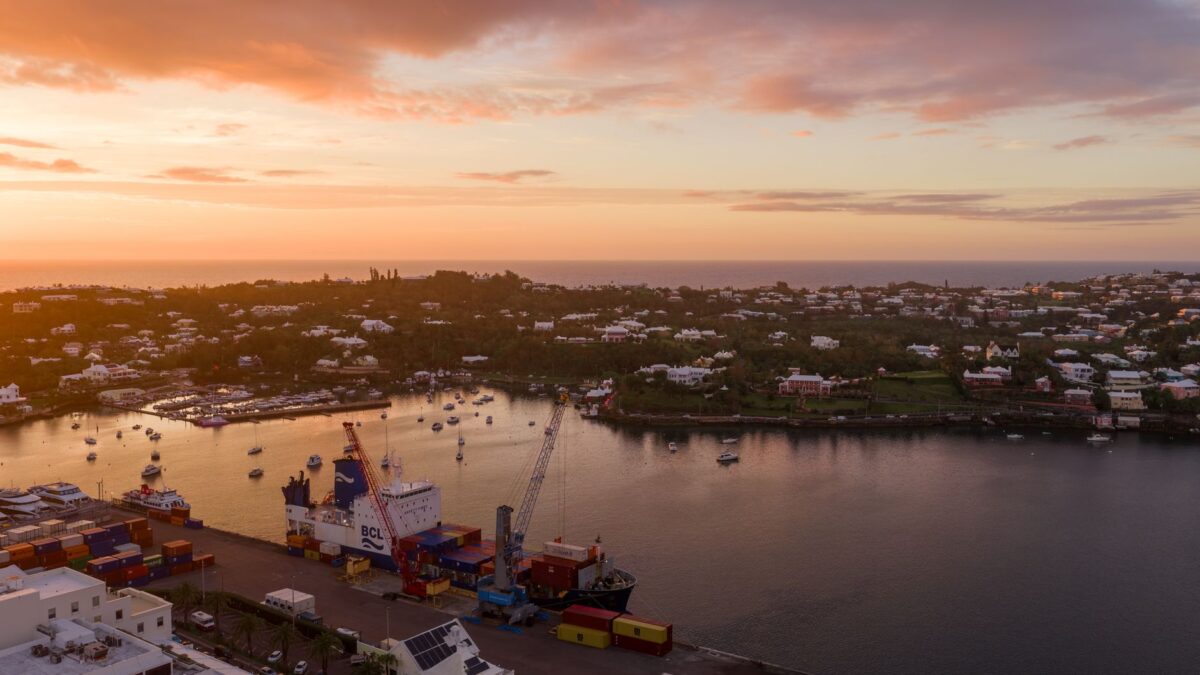
Seychelles in September 2026: what travelers should know now
Seychelles in September 2026: weather, low-season tips, local events, and practical advice for travelers visiting Victoria this month.
 News & Updates
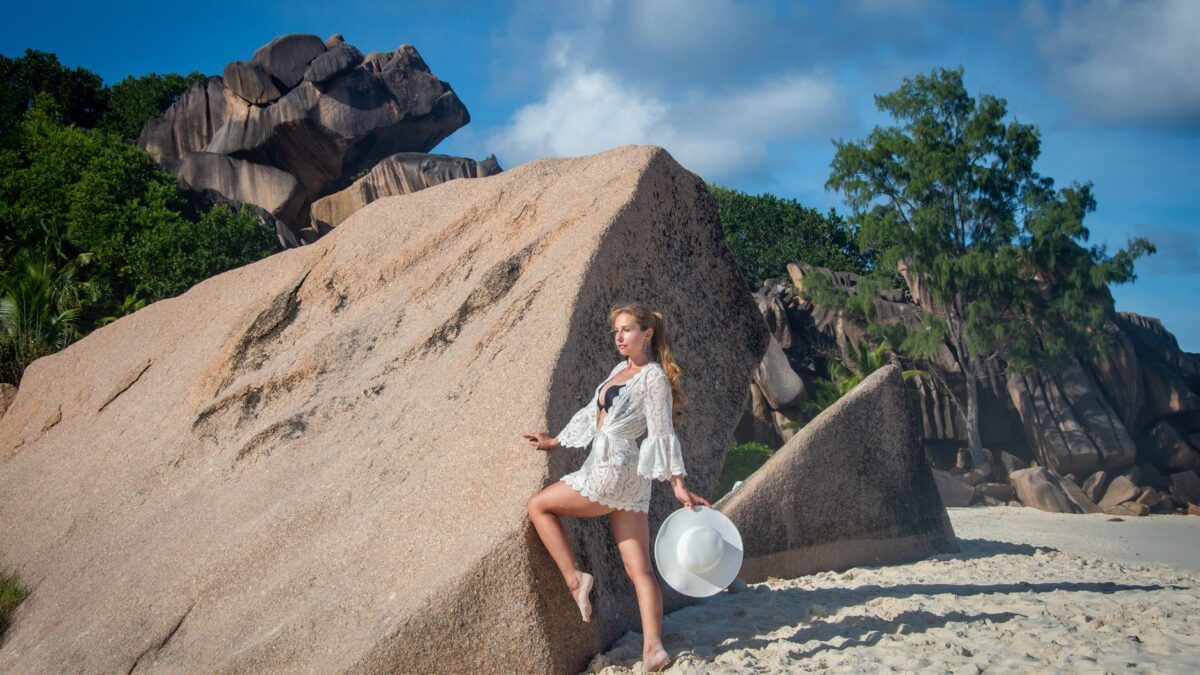
Seychelles in August 2026: what travelers should know now
Seychelles in August 2026: monsoon weather, Bolshoi exhibition, sailfish tournament, roadworks, prices, and practical tips for Victoria now.
 Living Abroad
Moving to Seychelles: visas, banking and SIM cards
Practical guide to moving to Seychelles: visas, residency permits, bank accounts, SIM cards, and settling into Victoria. Real advice for a smooth first week.
 Costs & Money
A week in Victoria on a mid-range budget
A week in Victoria, Seychelles on a mid-range budget: real bus fares, local curry plates, and hotel costs—practical, day-by-day advice from a local.
East Africa
 Kenya
KenyaKenya Travel Podcast with Baraka Kimani
The Swahili coast has linked Mombasa with India, China, Persia and the Arab world since at least the 2nd century, shaping Kenya's…
 Tanzania
Tanzania Travel Podcast with Zawadi Mushi
The northern highlands of Tanzania contain Kilimanjaro, Africa's highest point, one of only three mountain ranges on the continent with glaciers.
 Rwanda
Rwanda Travel Podcast with Uwase Mutesi
Kinyarwanda is the universal language spoken across Rwanda's rugged grassy uplands, where most people live in the central regions and along Lake…
 Uganda
Uganda Travel Podcast with Daniel Okello
A Uganda travel show that follows the seasons from Kampala's hills to Lake Victoria's shore, with time to learn the country as…