

How much does a trip to Slovenia cost?
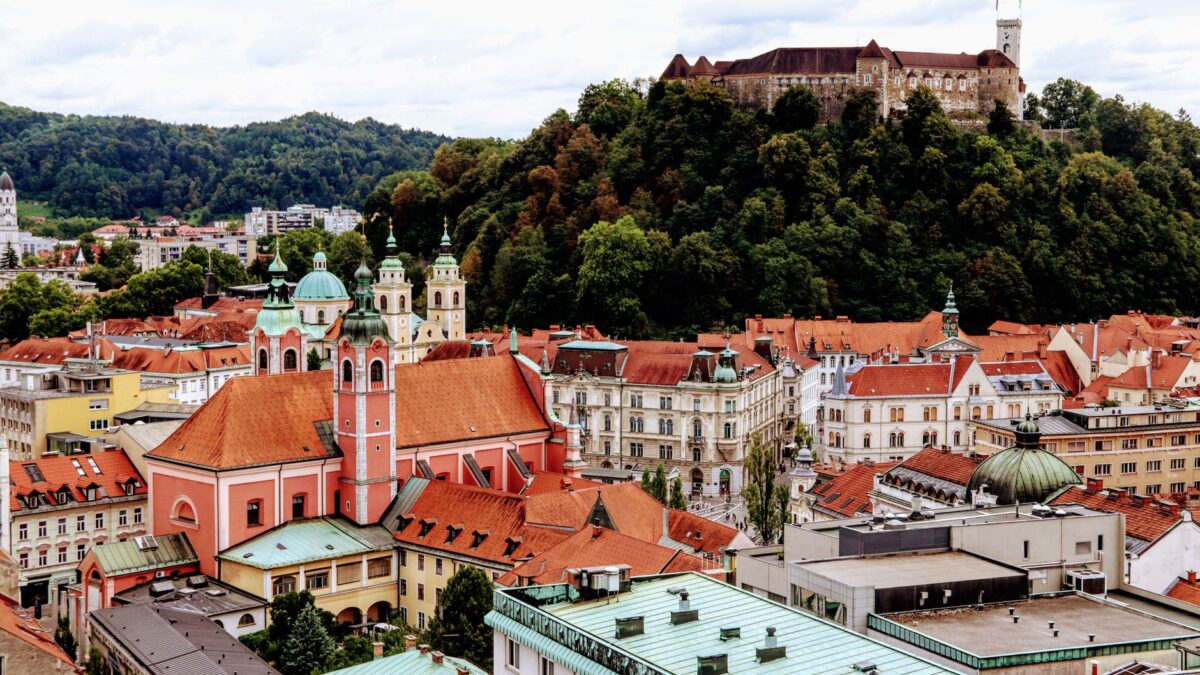
It is mid-September in Ljubljana, and the air carries that specific crispness of early autumn. The fog clings to the river at dawn, lifting just in time for the sun to hit the copper dragons on the bridge. You are standing near Prešernov trg, listening to the wind orchestras tune up for the Sunday Promenade Concerts, while nearby, the Poljanska fest has turned a main street into a carnival of pavement cafés. It feels like one of Europe’s great capitals, yet when you check your wallet, the reality is different. Slovenia remains noticeably cheaper than its neighbours—Vienna, Munich, even parts of Italy—though prices here have been trending upward since 2021.
As a local host, I want to give you a realistic picture of what this trip will cost. We are not talking about backpacker hostel floors or five-star luxury suites, but the sweet spot: living well, eating locally, and moving around with ease. Whether you are eyeing the golden grape harvest in the countryside or wandering the Plečnik landmarks in the city center, here is how your euros will stretch in Slovenia.
Where You Sleep: Accommodation Costs
Ljubljana is compact, which means you can stay slightly further out and still be minutes from the action via bus. However, location dictates price more than anything else. If you want to be in the historic heart, specifically the Center / Stari trg district around the Triple Bridge, expect to pay a premium. This is where the highest rents are, and hotel rates reflect that buzz.
For a comfortable mid-range experience, properties like the Galeria River or the Urban Ring hotel offer solid value. You can generally expect to pay between €80 and €130 per night for a clean, modern double room in the centre during September. If you prefer something with more character, the Florjančkov Hram provides a unique boutique experience, though it may skew slightly higher.
Looking for budget options? Head north to Bežigrad or west to Šiška. These districts are quieter, greener, and significantly more affordable. You might find guesthouses or smaller hotels in these areas for around €60–€75 per night. For those on a tight budget, student dormitories or shared apartments in Fužine or Moste can drop below €40, though you will trade some convenience for distance. Note that monthly rents for modest flats hover around €650–€950 excluding utilities, so short-term stays carry a ‘tourist tax’ compared to long-term leases.
Eating Like a Local: Food and Drink Budgets
Food in Slovenia is excellent and varied, ranging from hearty Alpine fare to Mediterranean influences. The key to managing your food budget is knowing where to eat. Avoid the tourist traps directly on Prešernov trg for dinner; instead, walk two blocks inland or head to the riverside.
Budget Eats: Your best friend is the menza (cafeteria). Places like Marjetica are legendary among students but open to everyone. A simple mixed-grill plate or a kebab costs roughly €4.60 if you are not a student, and a set lunch (malica) is around €8. For a quick street snack, grab a burek (savory filo pastry) from Nobel Burek for about €3. It is cheap, filling, and deeply satisfying. On sunny Fridays, the Odprta kuhna (Open Kitchen) street-food market at Pogačarjev trg offers diverse global bites at reasonable prices.
Mid-Range Dining: For a proper sit-down meal, look for trattorias or traditional Slovenian houses. A main course, such as pasta or a primi dish, in the old town will run you €16–€19. Venues like Slovenska hiša Ljubljančanka or Čevabdžinica Sarajevo ’84 offer authentic flavors without the luxury markup. Dessert is an event: a slice of potica (rolled nut pastry) from a local bakery is only €3–€4, making it easy to indulge.
Coffee Culture: Ljubljana takes coffee seriously. Specialty cafes like Črno Zrno, Tozd, or KOFI STOP LJUBLJANA serve excellent brews. Expect to pay €3.50–€5.00 for a high-quality flat white or espresso. During the Ljubljana Coffee Festival in late September, these venues become hubs of activity, so prices remain standard but the atmosphere is electric.
Getting Around: Transport Realities
The city center is pedestrianized, meaning you walk almost everywhere. The Dragon Bridge, the Central Market, and Tivoli Park are all within easy walking distance. However, for longer hops or day trips, public transport is efficient and affordable.
Single bus fares in zone 1 cost €1.50, a recent increase from €1.30. This ticket includes free transfers within 90 minutes, which is generous. If you plan to use buses frequently, consider the Urbana card. Visitors can buy a tourist version and get a €2 deposit refund upon leaving. A monthly pass is €37, which is overkill for a short trip, but if you are staying longer, it pays off quickly. The network is run by LPP, and coverage is excellent across districts like Vič, Rožna Dolina, and Fužine.
For eco-friendly travel, try BicikeLJ for bike rentals or the free Kavalir electric shuttles in the center. If you venture out to places like Šmarna gora or the Ljubljansko barje wetlands, you might need a car or intercity bus. Car rental adds significant daily costs, so stick to public transit for urban exploration.
Attractions and Hidden Gems
Many of Ljubljana’s best features are free. Walking along the Ljubljanica river, crossing the Triple Bridge, and exploring the Baroque streets cost nothing. Tivoli Park is vast and free to wander, offering a green escape into nature. The Metelkova mesto autonomous cultural quarter is also free to explore, filled with murals, galleries, and alternative vibes.
When you do pay for attractions, the value is high. Ljubljana Castle charges for entry to the viewing tower and exhibitions, but the funicular ride itself is a small fee included in many transport tickets. The National Gallery of Slovenia and the Museum of Puppetry are reasonably priced for Western European standards. If you are interested in architecture, the UNESCO-listed Plečnik landmarks, including the NUK library and Plečnik House, offer deep historical insight for modest entrance fees.
Keep an eye on seasonal events. The European Mobility Week in September brings free coffee and dance sessions to Prešernov trg. The Slovenian Sports Day in late September is a national celebration with community activities. These events enrich your trip without adding to your bill.
Putting It All Together: Daily Totals
So, what does a day look like in your budget?
- Budget Traveler (€45–€60/day): Stay in a hostel or budget guesthouse in Šiška or Fužine (~€40). Eat at menzas or grab bureks and coffee (~€15). Walk everywhere or take one bus (~€1.50). Enjoy free parks and window shopping.
- Mid-Range Traveler (€100–€140/day): Stay in a mid-range hotel in the center (~€90). Have breakfast at a café, lunch at Odprta kuhna, and dinner at a traditional restaurant (~€50). Take occasional buses or rent a bike for a day (~€5). Visit one paid attraction like the Castle or Gallery (~€10).
- Comfortable Traveler (€180+/day): Stay in a boutique hotel like Florjančkov Hram (~€130+). Dine at upscale venues like Julija or Dežela Okusov (~€60+). Use taxis or private transfers occasionally. Enjoy wine tastings or guided tours.
Slovenia is accessible, safe, and stunningly beautiful. By balancing your accommodation choices and embracing local dining spots, you can experience the magic of Ljubljana without breaking the bank. Just remember to bring cash for smaller bakeries, though cards are widely accepted in hotels and larger restaurants. Enjoy the golden autumn light—it is worth every euro.
Frequently asked questions
Is Ljubljana expensive compared to other European capitals?
Ljubljana is generally cheaper than neighboring Austrian and Italian cities, though prices have risen slightly since 2021. It remains more affordable than Vienna or Munich.
How much does a single bus ticket cost in Ljubljana?
A single city bus fare in zone 1 is approximately €1.50, which includes free transfers within 90 minutes using the Urbana card system.
What is a good budget option for lunch in Ljubljana?
Visit a local menza (cafeteria) like Marjetica for a set lunch (malica) around €8, or grab a burek street snack for about €3.
Are there free things to do in Ljubljana?
Yes, many top attractions are free, including walking through Tivoli Park, exploring the Metelkova mesto cultural quarter, and visiting the central squares and bridges.


