

How much does a trip to Spain cost?
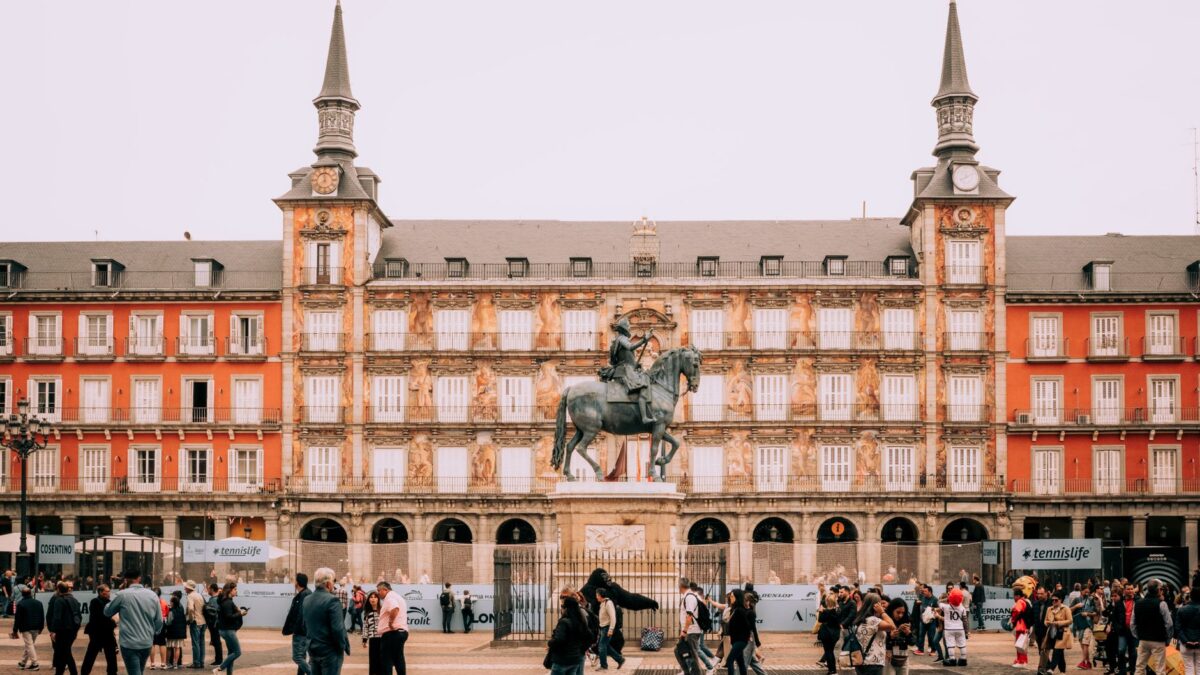
It is early September, and Madrid is breathing again. The air still holds that late-summer warmth—around 28°C during the day, cooling to a brisk 11°C at night—but the city has shifted gears. The tourists who dominated July have thinned, and the real Madrid has returned from its summer holidays in coastal towns or mountain villages. You can feel it in the energy: students rushing back to university, office workers filling the terraces of Malasaña for an evening caña, and the streets humming with the return of local life. It is the perfect time to visit, but as you plan your itinerary, you are likely asking the most practical question of all: how much will this actually cost you?
The answer depends entirely on how you want to experience the capital. Spain remains one of Western Europe’s more affordable destinations, but prices have risen, particularly in housing. However, thanks to heavily subsidized public transport and a robust culture of affordable dining, you can stretch your euro significantly if you know where to look. Let’s break down the realistic costs for a trip to Madrid right now.
Accommodation: Where Your Euro Goes
Housing costs in Madrid are currently at record highs, a topic of intense political debate here under the regional government of Isabel Díaz Ayuso. For long-term residents, rents are steep; a modest one-bedroom flat in the city centre runs about €1,300 to €1,365 per month. But for visitors, the landscape is different. You have options ranging from budget hostels to luxury suites.
If you are traveling on a shoestring, expect to pay around €40–€60 per night for a bed in a dormitory. Areas like Lavapiés or Carabanchel offer good value, though staying near Sol keeps you in the heart of the action. For mid-range travelers, boutique hotels and private apartments in trendy neighborhoods like Chueca or Salamanca typically cost between €100 and €180 per night. If you want comfort without breaking the bank, look at areas slightly further out, such as Chamberí, which offers excellent metro connections and a more residential feel.
For those seeking a comfortable, high-end experience, five-star hotels near the Retiro Park or along the Paseo de la Castellana will set you back €250–€400+ per night. During peak events, such as the upcoming Formula 1 Spanish Grand Prix at the new MADRING circuit (September 11–13), prices will surge. Book well in advance if your dates align with major festivals or sporting events.
Food and Drink: The Art of Eating Well for Less
One of Madrid’s greatest gifts to the traveler is the menú del día. This is your best friend for keeping food costs low while eating like royalty. In many traditional restaurants, especially in older districts like La Latina, you can find a full three-course meal—including a starter, main course, bread, drink, and dessert—for roughly €12–€15. I recommend hunting these down in the morning; they often sell out by 3 PM.
For casual snacks, the city is incredibly affordable. A bocadillo de calamares (squid-ring sandwich) at Bar López in Plaza Mayor costs about €4–€5, while a portion of churros con chocolate at a historic café like San Ginés runs €3–€4. Coffee is reasonable too, with a standard cup at a local bar costing around €1.50–€2.50. If you prefer specialty coffee, places like ALCHEMY Specialty Coffee or Pascal Specialty Coffee & Brunch offer excellent alternatives, though slightly pricier.
Mid-range dining is where you’ll spend more. An à la carte dinner at a nice restaurant in Malasaña or Salamanca might cost €25–€40 per person. Drinks add up quickly; a small draft beer (caña) ranges from €2.50 to €4, and wine by the glass is usually €3–€5. If you eat out every night, budget around €50–€70 daily for food and drinks. But if you embrace the local habit of grabbing a menú at lunch and having a light tapas dinner, you can easily keep food costs under €30 a day.
Getting Around: Efficient and Cheap
Madrid’s public transport network is world-class and heavily subsidized, making it the smartest way to get around. A single metro or bus fare in Zone A costs just €1.50. For most visitors, the Tarjeta Multi is the best buy—a rechargeable card that costs €2.50 to issue and holds ten rides for about €7.30. It is shareable among family members, so splitting the cost makes travel nearly free.
If you plan to use transit extensively, consider the Abono Turístico, which offers unlimited travel for 1, 2, 3, 5, or 7 days. For residents, the monthly pass is €32.70 for Zone A, highlighting how cheap local transit is compared to other European capitals. Note that Metro Line 10 is currently closed between Cuzco and Nuevos Ministerios due to remodeling, including Santiago Bernabéu station, so check for replacement buses. Also, be aware that Line 6 has reduced Sunday–Thursday hours until automation works finish.
Walking is the best way to discover the city. The historic center, including the pedestrianized Puerta del Sol and the grand Plaza Mayor, is compact and walkable. Taxis and ride-shares are available but should be reserved for late nights or heavy luggage.
Attractions: Free Culture and Paid Treasures
Madrid boasts some of the world’s best art museums, and you can enjoy them for very little. The “Golden Triangle of Art”—the Prado, Reina Sofía, and Thyssen-Bornemisza—charges entry fees, typically around €12–€15 for the Prado and Reina Sofía. However, the Prado offers free entry during the last two hours of the day (Mon–Sat 6–8 PM, Sun 5–7 PM), and the Reina Sofía is free on certain evenings. EU residents also get free access in the last hours each day.
Many of Madrid’s top attractions are free. Stroll through the vast Parque del Buen Retiro, rent a rowboat on the lake, or admire the Palacio de Cristal. Visit the Temple of Debod for a stunning sunset view over the city. Explore the Royal Palace and Almudena Cathedral grounds, though entering the palace interior costs around €13. Don’t miss the vibrant El Rastro flea market in La Latina on Sundays—it’s free to wander, even if you don’t buy anything.
Keep in mind that the Museo Sorolla is currently closed for expansion until October 2026, so plan accordingly. For nature lovers, a day trip to the Sierra de Guadarrama National Park or the Royal Palace of El Escorial is inexpensive via Cercanías commuter rail.
Daily Budget Totals
To help you plan, here are rough daily estimates per person, excluding flights:
- Budget Traveler: €60–€80/day. Stay in a hostel dorm, eat menús del día and street snacks, use public transit, and focus on free museums and parks.
- Mid-Range Traveler: €120–€180/day. Private room in a boutique hotel, mix of casual and mid-range dinners, unlimited transit passes, and paid museum entries.
- Comfortable Traveler: €250+/day. High-end accommodation, fine dining experiences, taxi/ride-share usage, and guided tours.
Madrid is a city that rewards curiosity and flexibility. By embracing local customs—like the afternoon siesta for shop closures, the evening paseo along the river, and the social ritual of tapas—you can experience the magic of the Spanish capital without straining your wallet. Just remember to guard your belongings in crowded areas like Sol and Gran Vía, and enjoy the vibrant, welcoming spirit of the city.
Frequently asked questions
How much does a meal cost in Madrid?
A typical 'menú del día' (starter, main, drink, dessert) costs around €12–€15. Casual snacks like a bocadillo de calamares are €4–€5, while mid-range restaurant dinners run €25–€40 per person.
Is public transportation expensive in Madrid?
No, it is highly subsidized. A single metro/bus fare is €1.50. A 10-ride Tarjeta Multi costs about €7.30, and monthly resident passes start at €32.70 for Zone A.
Are the major museums free?
The Prado, Reina Sofía, and Thyssen-Bornemisza charge entry (~€12–€15), but offer free entry during the last hours of the day (e.g., Prado is free Mon-Sat 6-8 PM). EU residents also get free access in the final hours daily.
What is the best area to stay in Madrid?
For first-timers, Sol/Centro is central but busy. Malasaña and La Latina offer vibrant nightlife and tapas culture. Chamberí and Salamanca provide upscale, quieter stays with excellent metro links.
Do I need a visa for Madrid?
US, UK, and Canadian citizens can enter visa-free for up to 90 days within any 180-day period. Check ETIAS requirements if traveling after 2025/2026 rollout.
Things to do in Spain
 Small Group Skip-the-Line Tour of the Prado Museum
 Madrid Food Tour in a Neighborhood Market with Churros
 Private Tour With A Different Perspective of Alhambra
 RECREATIONAL DIVE (certified divers only) : Explore Canarian Sealife
 Likely to sell out
Montserrat Private Tour from Barcelona with Pick-up
Likely to sell out
Montserrat Private Tour from Barcelona with Pick-up
 Likely to sell out
90' Stand Up Paddle tour in a small group in Cala Ratjada
Likely to sell out
90' Stand Up Paddle tour in a small group in Cala Ratjada