

How much does a trip to United Kingdom cost?
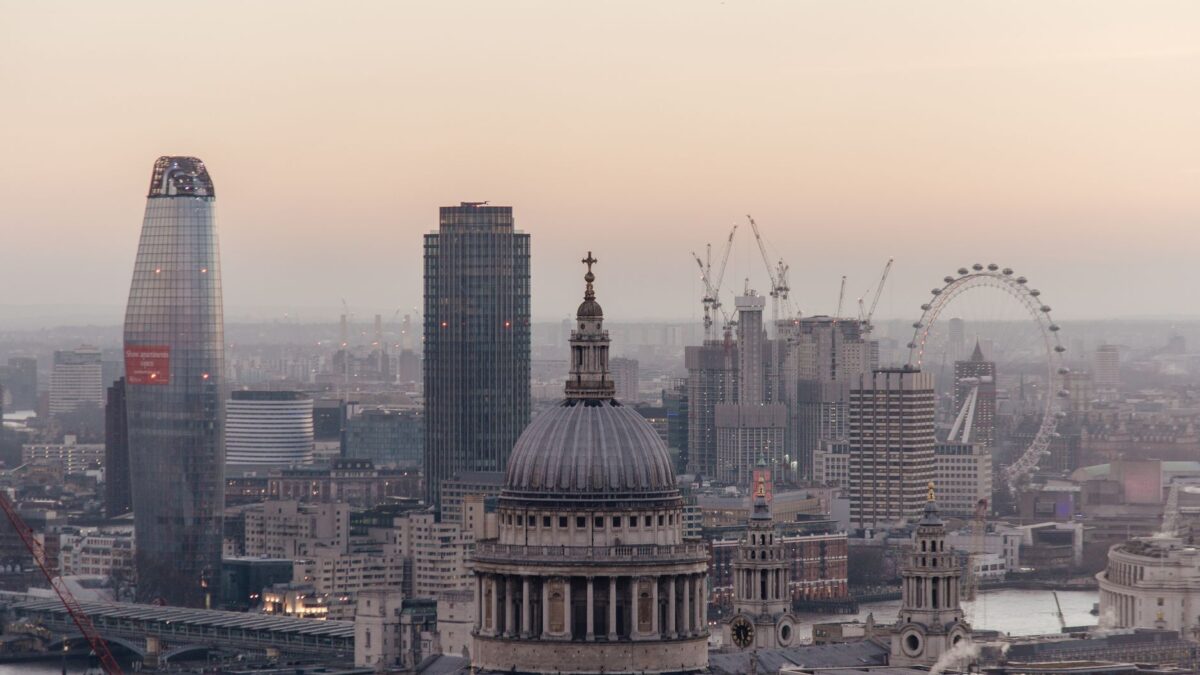
The hinge between late summer and autumn is a peculiar time in London. The light turns golden and sharp, the air carries that first distinct chill you’ll need a coat for by evening, and the parks are dotted with early blackberries and damsons ripening on the ground. It’s beautiful, but it’s also expensive. As someone who has navigated these streets through every economic cycle, I can tell you that the United Kingdom—particularly its capital—is one of Europe’s least affordable destinations. But with the right strategy, your budget doesn’t have to break. Let’s look at what a trip here actually costs in 2026.
Accommodation: The Biggest Line Item
If you are staying in London, accommodation will likely consume half your daily budget. The citywide average rent for a modest one-bedroom flat hovers around £2,252 per month, which tells you a lot about short-term pricing. For travelers, this translates to premium hotel rates or competitive hostel fees.
For a budget traveler, you’re looking at dormitory-style stays. Places like the Astor Museum Hostel offer a way to keep nightly costs down, though you’ll be sharing space. Expect to pay roughly £35–£50 per night if you book ahead. If you prefer private rooms but still want to save, boutique options like the Georgian House Hotel or the Star Hotel often provide better value than the big chains near Oxford Street.
Mid-range travelers can find comfortable private rooms in areas like Camden or Shoreditch. These neighborhoods buzz with energy—Shoreditch is the hub for tech start-ups and street art, while Camden offers canal-side markets and live music. A decent three-star hotel or a high-quality Airbnb here might run you £120–£180 per night.
Comfortable travelers should look at the South Bank or Westminster areas. Hotels like Assembly Leicester Square or The Windermere Hotel place you steps from major attractions. You can expect to pay £250+ per night for a room with views or concierge service. Remember, rents rose nearly 7.3% year-on-year last year, so these prices are sticky.
Getting Around: Tap, Don’t Buy
London’s transport network is extensive, but it can be confusing for newcomers. The good news? You don’t need to buy paper tickets. Just tap any contactless bank card, phone wallet, or a blue Oyster card on the gates. This applies to the Tube, buses, Overground, and the Elizabeth line.
A single bus fare is remarkably consistent at £1.75. This includes the “Hopper” fare, meaning you can make unlimited bus transfers within one hour for that price. In contrast, a single Tube journey in Zone 1 during peak hours (before 9:30 AM) costs £2.90. If you travel frequently, the daily cap kicks in automatically, ensuring you never pay more than the equivalent of a daily travelcard.
For longer trips outside London, such as day trips to Epping Forest or the Lea Valley, trains cost more. However, for the city itself, sticking to the TfL network is key. Avoid black cabs unless necessary; a short one-mile ride can set you back £8–£11 before tip. Use Citymapper, the app locals use, to navigate around closures—like the recent Central line stops at Marble Arch—and plan your routes efficiently.
Food and Drink: From Chippies to Pints
Eating out in the UK varies wildly in price. The national obsession with pub culture means you can eat well without spending a fortune, provided you know where to look.
Budget eating: Grab a classic fish and chips from a local chippy for £11–£14. It’s iconic, filling, and cheap. Alternatively, a loaf of bread costs around £1.50, and a flat white or cappuccino is approximately £4.00. Supermarkets like Tesco or Sainsbury’s are your best friends for picnic supplies.
Mid-range dining: A meal at a mid-range restaurant, featuring two or three courses, will typically cost £35–£50 per person. Venues like Brother Marcus Covent Garden or Blacklock Soho offer quality without the luxury markup. For a quick lunch, Borough Market under the railway arches at London Bridge offers incredible artisanal food stalls for £10–£14.
Drinks: A pint of lager at a typical pub averages £6.50 in central postcodes (WC areas), though it can dip slightly in outer boroughs. Be aware that service charges are often included, but tipping remains appreciated for table service.
Attractions: Free Culture and Paid Icons
One of the great advantages of visiting London is that world-class culture is largely free. The British Museum, home to the Rosetta Stone, Tate Modern in the former Bankside Power Station, the National Gallery on Trafalgar Square, and the Natural History Museum all charge £0 entry. Spend a day walking from St Paul’s Cathedral to the South Bank, and you’ll spend nothing on tickets.
However, some icons require payment. The Tower of London, housing the Crown Jewels, charges an adult ticket of approximately £33. Similarly, entry to St Paul’s Cathedral or the Houses of Parliament tour will cost extra. Plan your itinerary to balance paid experiences with free ones.
Keep an eye on seasonal events. In September, for instance, the Totally Thames festival offers free river walks and kayaking tasters, while the Open House Festival lets you into normally private City buildings. Note that some venues, like the William Morris Gallery in Walthamstow, may close for refurbishment, so always check opening times before heading out.
Daily Budget Totals
Here is a realistic breakdown for a solo traveler per day, excluding flights:
- Budget Traveler (£60–£80/day): Hostel stay (£40), bus travel (£5), supermarket/chippy food (£15), free museums. You drink tap water and skip paid attractions.
- Mid-Range Traveler (£150–£200/day): Private hotel/hostel private room (£100), mixed Tube/bus travel (£10), pub lunch + dinner at mid-range spot (£50). Includes one paid attraction like the Tower of London.
- Comfortable Traveler (£300+/day): Central hotel (£250+), occasional taxi/Uber (£15), nice dinners and cocktails (£50+), multiple paid tours. You enjoy convenience and location.
Finally, a practical note: Since February 2026, most visa-free visitors need a UK ETA for £20. Ensure this is sorted before you fly. With careful planning, the UK is accessible. Enjoy the golden light, the history, and yes, the occasional pint.
Frequently asked questions
How much does a pint of beer cost in London?
A pint of lager averages around £6.50 in central London postcodes, though prices can vary slightly depending on the specific area and venue type.
Do I need a visa to visit the UK from the US or EU?
Since February 2026, visitors from ~85 visa-free countries need a UK Electronic Travel Authorisation (ETA) costing £20, valid for two years.
Is public transport expensive in London?
Bus fares are fixed at £1.75 with unlimited transfers within an hour. Tube fares peak at £2.90 in Zone 1, but daily caps limit total spending significantly.
What are some free attractions in London?
Major institutions like the British Museum, Tate Modern, National Gallery, and Natural History Museum offer free entry to their permanent collections.
How much is a typical meal at a mid-range restaurant?
Expect to pay between £35 and £50 per person for a two- or three-course meal at a standard mid-range restaurant in central London.
Things to do in United Kingdom
 Likely to sell out
Coasteering Geopark Adventure In Torquay
Likely to sell out
Coasteering Geopark Adventure In Torquay
 The Great British Pub Walking Tour: London
 Luxury Private Tour of The Highlands Loch Ness from Edinburgh
 Likely to sell out
Private Tour to Stonehenge, Bath and The Cotswolds
Likely to sell out
Private Tour to Stonehenge, Bath and The Cotswolds
 British Museum & National Gallery of London Semi-Private 8ppl Max
 Distill a bottle of Gin on mini copper stills