

How much does a trip to United States cost?
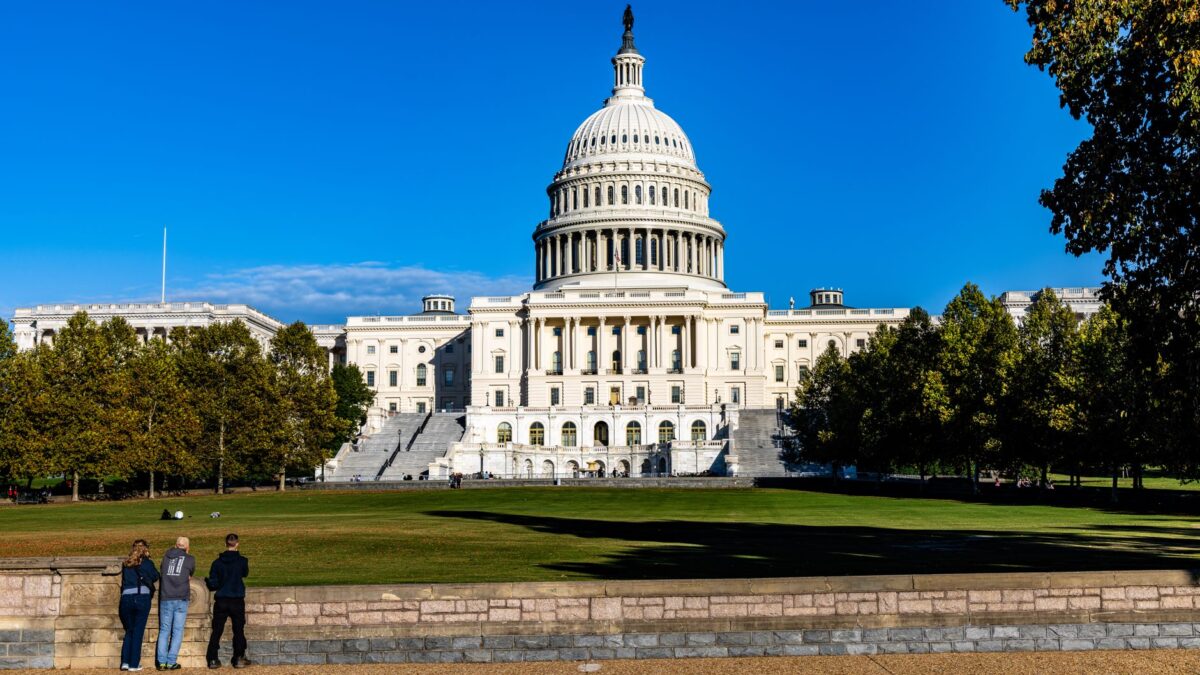
There is a specific chill that settles over Washington, D.C. in late October. It’s not the biting cold of January, but a crisp, damp chill that catches you on the way from the Metro to Georgetown, where the frost still clings to the cobblestones of M Street. The sun hangs low over the bare branches of Rock Creek Park, and the air smells faintly of woodsmoke and roasted chestnuts. This is when the city truly wakes up for autumn—before the Thanksgiving rush, but with enough Halloween energy buzzing through Adams Morgan and Dupont Circle to keep you on your toes.
Planning a trip here now requires a realistic eye on the wallet. With inflation hovering around 2.9% and the local economy driven by federal government spending and a booming tech sector near National Landing, prices in the District are firm. You aren’t just paying for a hotel room; you’re paying for the privilege of walking past the White House or grabbing a half-smoke at Ben’s Chili Bowl on U Street. Let’s break down exactly what it costs to experience this capital, from budget backpacking to comfortable mid-range stays, using real numbers from the streets right now.
The Reality of Accommodation
Your biggest expense will almost certainly be where you sleep. D.C. is a city of neighborhoods, and your choice of area dictates both your price and your vibe. If you are looking for value, consider the Washington Capital Hostel. Located conveniently near the Metro, it offers dorm beds that can run you roughly $60–$80 a night. It’s clean, secure, and puts you within walking distance of Eastern Market and Capitol Hill, letting you explore the political heart of the nation without breaking the bank.
For those seeking a bit more privacy and style, the citizenM Washington, DC NOMA offers modern, compact rooms starting around $150–$200 per night. It’s efficient, tech-forward, and located in the NoMA district, which is rapidly transforming. If you want the quintessential D.C. charm, look toward Georgetown. The The Poppy Georgetown provides a boutique experience with easy access to the C&O Canal towpath and colonial rowhouses, though expect to pay upwards of $300–$400 a night for this level of comfort in such a historic enclave.
A quick note on geography: Georgetown has no Metro station. You’ll need to rely on the Metrobus D80/D6 routes or walk from the nearest stop. If you choose to stay near the Navy Yard or The Wharf, you’re close to Nationals Park and riverfront dining, with rates varying widely depending on whether a baseball game is in town.
Eating Your Way Through the District
Dining in D.C. ranges from iconic institutions to high-end corporate lunches. For breakfast, grab a coffee at Kramers or Blue Bottle Coffee. A latte and pastry will set you back about $12–$15. These cafes are scattered throughout Dupont Circle and Shaw, offering a perfect spot to plan your day while avoiding the morning chill.
Lunch can be surprisingly affordable if you know where to look. Head to Eastern Market on a weekend for fresh produce and local eats, or visit Unconventional Diner for hearty, reasonably priced comfort food around $15–$20 per person. If you want to taste history, make a pilgrimage to Ben’s Chili Bowl on the U Street Corridor. Their famous half-smoke with chili costs about $10–$12, a small price for a piece of African American cultural heritage that dates back to the 1950s.
Dinner is where the budget stretches. Founding Farmers DC is a staple for tourists and locals alike, offering farm-to-table dishes in a grand setting. Expect to spend $40–$60 per person for a meal with drinks. For a more upscale evening, Old Ebbitt Grill, one of the oldest saloons in the country, charges similar rates for its classic American fare. If you venture into Adams Morgan, you’ll find vibrant Ethiopian and Latin American restaurants along 18th Street NW that offer excellent quality for $25–$35 per person, making it a great option for mid-range travelers.
Navigating the City: Transport Costs
You do not need a car in Washington, D.C., and trying to drive during peak hours or event days like the Marine Corps Marathon is a recipe for stress. Instead, rely on WMATA’s Metrorail and Metrobus. Purchase a SmarTrip card—or use the app on your iPhone—to tap in. Fares vary by distance and time of day, ranging from roughly $2.25 for a bus ride to $6.75 for longer rail trips during peak hours. A 2-hour transfer discount applies, so plan your museum hops wisely.
For shorter distances, Capital Bikeshare has over 500 stations across the city. A day pass costs about $18, giving you unlimited 30-minute rides. This is an excellent way to cover the gaps between neighborhoods, especially along the scenic trails of Rock Creek Park or the Potomac waterfront. Be aware that some lines, like the Orange/Silver/Blue Line, may undergo track rehabilitation on weekends, requiring shuttle buses, so always check the WMATA schedule before heading out.
If you must drive, remember that parking is expensive and scarce. Most hotels charge $30–$50 nightly for valet or self-park. If you are staying long-term, you’d need to register with the DC DMV, get a safety inspection (~$35), and purchase insurance, but for a short trip, public transit is far cheaper and less hassle.
Attractions: Free History and Paid Experiences
One of the best-kept secrets of D.C. travel is that many of its crown jewels are free. The Smithsonian museums, including the Smithsonian National Museum of Natural History and the Smithsonian’s National Air and Space Museum, have no admission fee. You can easily spend two full days exploring these institutions without spending a dime on tickets. Just be prepared for security checks and potential timed-entry requirements for special exhibitions, like the new ‘To Hear Her Speak: Black Women and Shakespeare’ at the Folger Shakespeare Library, which recommends booking in advance.
However, some experiences come with a price tag. The International Spy Museum is a must-do for many visitors, with tickets running approximately $30–$35 per adult. It’s interactive, engaging, and worth the cost if espionage is your thing. Similarly, guided tours of the U.S. Capitol or the Supreme Court are free but require advance reservation through your representative or the court itself.
Keep an eye on the calendar. Events like the FBI Expo at the DC Armory or the Silver Spring Zombie Walk might have small entry fees or costs for costumes and food, but they add a unique layer to your trip. Also, note that veterans and active military often receive discounts or free entry to many sites, especially around Veterans Day on November 11th.
Daily Budget Breakdowns
To help you plan, here are three rough daily totals for a single traveler, excluding flights and visas (ESTA is ~$21).
- Budget Traveler ($100–$130/day): Stay in a hostel dorm ($70), eat at casual spots like Unconventional Diner or street vendors ($30), use Metrorail and walking ($10). Focus on free museums and parks.
- Mid-Range Traveler ($200–$250/day): Stay in a boutique hotel like citizenM ($180), dine at mid-tier restaurants like Founding Farmers or ethnic eateries in Adams Morgan ($60), use a mix of Metro and Bikeshare ($15). Include one paid attraction like the Spy Museum.
- Comfortable Traveler ($350+/day): Stay in Georgetown or near the Wharf ($350+), enjoy fine dining at Old Ebbitt Grill or higher-end establishments ($100+), use taxis or rideshares for convenience ($40). Explore premium experiences and private tours.
D.C. in late October is magical. The leaves are turning, the crowds are manageable before the holiday rush, and the city’s soul is on display. Whether you’re chasing jazz history on U Street or watching the sunset over the Potomac, knowing your budget helps you focus on what matters: the experience. Safe travels, and don’t forget your layers—the fog rolling off the Anacostia River can be surprisingly cold.
Frequently asked questions
How much does it cost to stay in a hotel in Washington, D.C.?
Hotel rates vary by neighborhood. Hostels like the Washington Capital Hostel start around $60–$80/night, mid-range options like citizenM NOMA are $150–$200/night, and boutique hotels in Georgetown like The Poppy Georgetown range from $300–$400/night.
Is public transportation expensive in D.C.?
WMATA fares are moderate, with Metrobus at ~$2.25 and Metrorail ranging from $2.25 to $6.75 based on distance and peak times. A Capital Bikeshare day pass is about $18, offering a cost-effective way to cover short distances.
Do I need to pay for entrance to the Smithsonian museums?
No, most Smithsonian museums, including the National Museum of Natural History and the National Air and Space Museum, are free. However, special exhibitions may require timed-entry tickets, and some venues like the International Spy Museum charge ~$30–$35.
What are some affordable dining options in D.C.?
For budget-friendly meals, try Unconventional Diner ($15–$20) or grab a half-smoke at Ben's Chili Bowl (~$10–$12). Ethnic restaurants in Adams Morgan along 18th Street also offer quality meals for $25–$35 per person.
Things to do in United States
 Hawaii Volcanoes, Waterfalls, Beaches & Hilo Highlights Day Tour
 Nashville VIP Style Private Tour with Local Singer-Songwriter
 Half-Day Private Boating On Black Hurricane - Clearwater Beach
 Private Stand Up Paddle Boarding Tour in Turtle Town, Maui
 Epic Camelback Mountain Guided Hiking Adventure in Phoenix, Arizona
 Semi-private SMALL group Historic Walking Tours w/certified guide