Iceland in August 2026: what travelers should know now
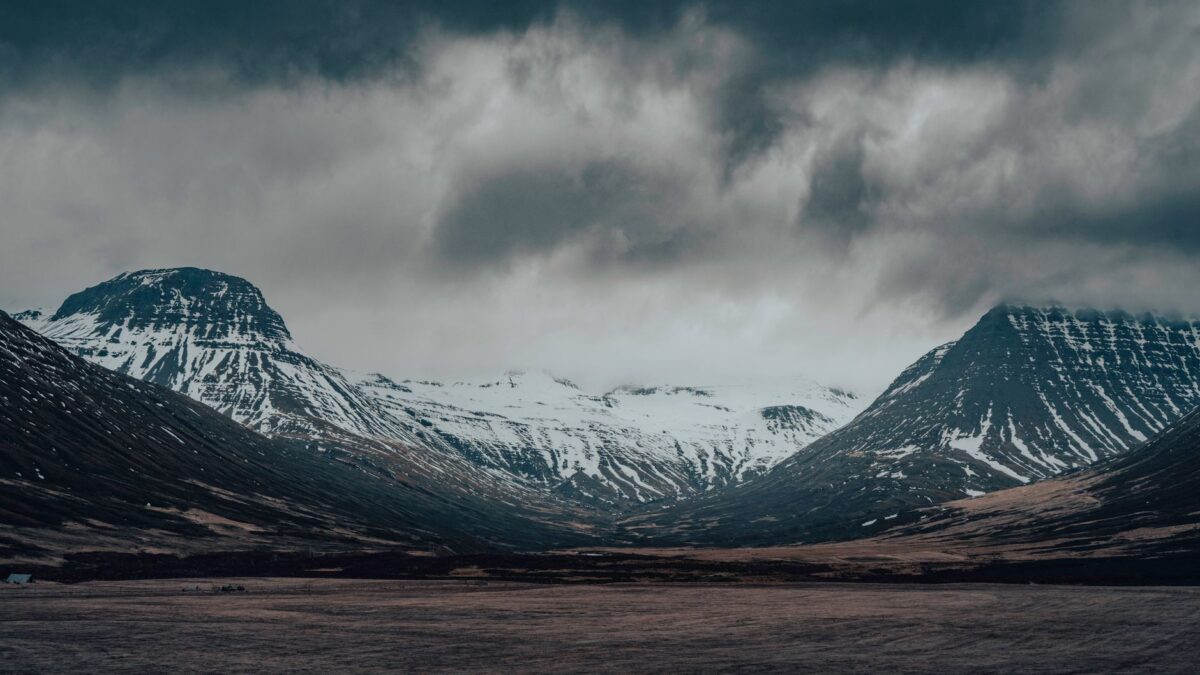
The tail of August has arrived in Reykjavík, and the light is finally beginning to soften. Sunset is creeping earlier each evening—currently around 21:12—and the city is breathing that familiar, slightly melancholic sigh that precedes autumn. The streets of Miðborg are still thick with visitors, but the frantic energy of June and July has mellowed into something more conversational. We’re hovering at 8–10°C with a persistent, gentle sea-rain—the kind that doesn’t soak you so much as it polishes the pavement. This is the golden hour of the Icelandic summer, and you’ve made it just in time.
August Weather: The Art of Dressing in Layers
Let’s be honest about the forecast: it’s wet. About 10mm of rain is expected over the next ten hours, which sounds dramatic but is really just a typical Tuesday. The wind off Faxaflói Bay is present, the light is low and diffuse, and the temperature is pinned at 8–10°C. If you packed for a European heatwave, you’ll need to adjust quickly.
Your daily uniform should be a waterproof shell over a warm fleece or wool base layer. Bring a beanie. Bring gloves if you plan on any boat trips. The locals are still wearing their lopapeysa sweaters unapologetically, and you should too—they’re not just for souvenirs.
The silver lining: this light rain keeps the moss vibrant, the waterfalls pounding, and the crowds thinner than they were a month ago. When the sun does peek through, the city glows. Check vedur.is before any trip out of town—weather here changes faster than a bar tab on Laugavegur.
Money Matters: What Things Cost Right Now
Let’s talk krónur. Iceland remains one of Europe’s priciest capitals, and August is peak season for hotel rates. A mid-range 3-star room is running about 22,000–30,000 ISK per night (roughly $190). If you’re staying longer, a modest one-bedroom in the city centre will set you back 230,000–330,000 ISK a month. That’s a lot of pylsur.
For daily subsistence, here’s your honest cost reality:
- Pylsa “with everything” at Bæjarins Beztu: about 600 ISK ($4). The classic.
- Filter coffee at Kaffibrennslan or Reykjavik Roasters: around 700 ISK ($5).
- Local draft beer: 1,200–1,500 ISK ($10). Sip it slowly.
- Lamb soup (kjötsúpa) at an inexpensive spot: 2,500–3,000 ISK ($20). Worth every crown.
- Food hall meal at Hlemmur Mathöll or Grandi Mathöll: 2,500–3,500 ISK ($22).
Friendly reminder: Reykjavík is nearly cashless. Cards are king. Your taxi driver, the hot dog stand, and the public toilet all prefer plastic.
Getting Around: Bus Fares and the Cashless Change
If you haven’t heard, Strætó buses quietly got more expensive in January 2026. A single fare in the capital area is now 690 ISK (about $5), and the 30-day adult pass is 11,600 ISK ($85). Students and seniors pay roughly half: 5,800 ISK. Remember, cash is no longer accepted on buses—tap your contactless card on boarding or use the Klappið app. The Reykjavík City Card is still a good deal if you plan to hit museums and the pools, bundling unlimited transit in with entry fees.
The main hubs remain Hlemmur and BSÍ. If you’re heading to Grandi for the Whales of Iceland exhibition or a meal at a trendy fish spot, plan your route—it’s walkable from the centre but nicer on a bus.
What’s On: Festivals and Local Color in the Coming Weeks
We’re just past the cultural high tide of summer. The big outdoor music festivals have wrapped, but the city hums with smaller affairs. Iceland Airwaves is still a few months out, but the local scene is always alive—check what’s playing at Harpa; its honeycomb glass hall hosts everything from string quartets to electronica. The Lava Show is a perennial hit if you want to see molten rock up close without hiking to a volcano edge.
Public holidays are quiet this week. The big summer holiday, Commerce Day (Frídagur verslunarmanna), was earlier in August, so you’ve missed the massive campground exodus. Expect normal operating hours, but be aware that many Icelanders take long weekends through late August. The weather is the headline act, and it’s performing a light drizzle.
For a cultural deep dive, the National Museum of Iceland is your best bet for understanding how we went from turf houses to aluminum smelters and tourism. Höfði House in Laugardalur—site of the 1986 Reagan–Gorbachev summit—is a quiet pilgrimage for history buffs, though access inside is limited.
Practical Tips for This Specific Week
Here’s what I’d tell a friend arriving tomorrow:
- Pack a rainproof jacket. Not an umbrella. The wind will destroy it.
- Buy your SIM at the airport. The 24-hour 10-11 store in the Keflavík arrivals hall has tourist SIMs from 2,000–6,000 ISK. Síminn has the best nationwide coverage; Nova is the budget data king in Reykjavík. EU roaming rules don’t apply here—don’t get caught without a local plan.
- Book the Blue Lagoon or Sky Lagoon now. August is peak, and walk-ins are often turned away. Same for Perlan’s ice cave tour.
- Use the pools. Laugardalslaug is the big one, but Vesturbæjarlaug in Vesturbær is the local’s secret for a quiet soak. The water is naturally geothermal and the sky is moody—it’s the best 30 minutes of your day.
- Go whale watching early. Puffins are still on Lundey, but they’ll be heading out soon. The Old Harbour tours are running daily, weather permitting.
This is the shoulder season in disguise. The crowds are thinning, the light is still generous, and the rain is just a prop. You’ll be fine. You’ll be more than fine—you’ll be here.
Frequently asked questions
Is it too late to see the midnight sun in Iceland in late August?
Yes, the midnight sun has passed. By late August, sunrise is around 05:47 and sunset around 21:12, giving you roughly 15 hours of daylight—plenty for exploring, but evenings are dark enough for aurora season to start creeping in from September.
Are buses in Reykjavík cash-free?
Yes. Since June 2025, Strætó buses do not accept cash. You must tap a contactless card on board, use the Klappið app, or buy a Klapp card. A single fare is now 690 ISK.
What is the current cost of a bus ride in Reykjavík?
A single adult fare is about 690 ISK (≈ $5). A 30-day adult pass is 11,600 ISK, while student and senior passes are 5,800 ISK.
Is the Blue Lagoon worth booking in August?
If you're set on it, book ahead—August is peak season and units sell out. Alternatively, consider the local pools like Laugardalslaug or Vesturbæjarlaug for a cheaper, authentic soak.
Can I use my European mobile plan in Iceland?
No, EU roaming rules do not apply in Iceland. Buy a tourist SIM at the 10-11 store in Keflavík arrivals (about 2,000–6,000 ISK) or an eSIM from Airalo or Holafly before you fly.
Things to do in Iceland
 Private Jökulsárlón Glacier Lagoon 2 Day Tour & Glacier Hike
 Private 2-Day Glacier Lagoon, Ice Cave and Northern Lights
 Glacier Adventure at Sólheimajökull Private Tour
 Reykjavík Bay Jet ski tour
 Reykjavik Private Northern Lights Tour with Pro Photographer
 Reykjanes Peninsula Private Day Tour - up to 9 passengers