
Iceland in October 2026: what travelers should know now
Reykjavík is holding its breath this week. The air has that specific, metallic crispness that only arrives when the geothermal steam meets the Arctic chill, and the light is shifting into that deep, velvety blue hour that makes the city’s neon signs bleed into the wet pavement. If you are landing here now, in October 2026, you are arriving at a moment of transition. The summer crowds have vanished, the sheep have been rounded up from the highlands, and the northern lights are finally making their return to the night sky. But right now, the capital is also buzzing with a rare intensity—diplomats, delegates, and music lovers are converging on Harpa and Hlemmur, turning the usually relaxed streets into a hub of serious business and late-night jazz.
The Season: Dark, Wet, and Beautifully Dramatic
As of today, October 7th, the weather in Reykjavík is sitting between 2°C and 8°C with a persistent light drizzle. This is peak Icelandic autumn. The days are shortening rapidly; sunrise is at 07:53 and sunset by 18:35, meaning you will have very little daylight for sightseeing if you aren’t careful. Pack layers that can handle moisture—waterproof boots are non-negotiable, not just for comfort but for safety on the slick basalt sidewalks.
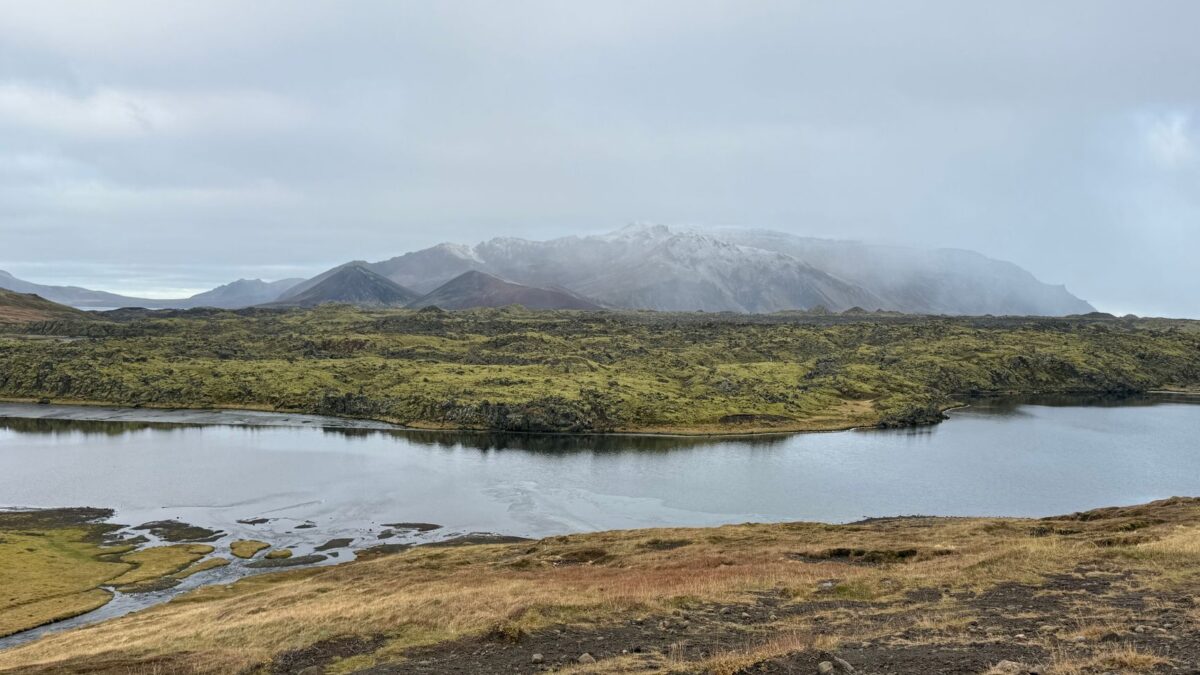
The countryside is wrapping up its annual réttir, the traditional sheep and horse roundups. If you can squeeze in a drive out to the hills before the first heavy snow dusts Mount Esja, do it. It is one of the most authentic cultural experiences you can witness, but be warned: the roads can get muddy and dark fast. For the city itself, the rain often feels more like a mist, so embrace the cafes. A cappuccino at Kaffi Ó-le or Hygge kaffi og bakarí costs about 726 ISK (roughly $5), which is steep compared to global averages, but it is the perfect way to watch the world go by from behind fogged-up windows.
What Is Happening Now: Diplomacy, Debates, and Dance
This is not your typical quiet October. Two major events are dominating the news cycle and the city’s infrastructure right now. First, the Arctic Circle Assembly is taking over Harpa Concert Hall and the Reykjavík EDITION from October 8th to 10th. Expect around 2,500 delegates from over 70 countries. While the general public won’t feel the congestion inside the venue, the surrounding areas will see increased security and activity. If you enjoy classical music, check if tickets remain for the Beethoven 9th concert by the Iceland Symphony Orchestra, though these likely sold out months ago.
Second, just last week, US Secretary of State Marco Rubio visited Reykjavík, meeting with Prime Minister Kristrún Frostadóttir and the foreign minister at Höfði House. This resulted in temporary closures, including Hverfisgata being closed to traffic, and a heavy armed-police presence. While the diplomatic visits have concluded, the security detail remains visible in the Miðborg district. You may notice additional police checkpoints near government buildings like Safnahúsið. This is normal protocol for high-level state visits, but it means avoid driving through the city center on weekends if you want to avoid slow-moving convoys.
For culture seekers, the mood is eclectic. The State of Art festival runs until October 11th, featuring genre-bending contemporary music, including a Baroque-at-the-Club night at Austurbæjarbíó. Simultaneously, Kumbiavík brings cumbia and Latin American rhythms to the city until October 10th, with documentary premieres at Bíó Paradís and dance parties at RVK Brewing Co. If you prefer a quieter evening, the Central Bank of Iceland announced today that it is holding the key interest rate at 8%, pausing its hiking cycle. Economically, things are stabilizing, but prices remain high.
Navigating the City: Transport and Traffic Quirks
Getting around Reykjavík is straightforward if you know the rules. The bus network, Strætó, is your best friend. Single fares are 690 ISK (about $5), but if you are staying for more than two days, buy the 30-day adult pass for 11,600 ISK (approx. $85). Fares were linked to inflation earlier this year, so expect them to stay elevated. Use the Klappið app to pay or tap your contactless card, which applies a daily fare cap called ‘Kapp’—you will never pay more than a day’s worth of rides even if you hop on and off frequently.
Traffic is generally light, but roadworks are ongoing. Reykjanesbraut, the main artery south toward the airport and the Blue Lagoon, was closed to northbound traffic overnight recently for milling and paving. Always check road.is before heading out. If you are flying into Keflavík, the Flybus takes about 45 minutes to the BSÍ terminal, while the public bus 55 takes roughly 90 minutes but offers a cheaper alternative.
Walking is still the best way to see the city. Start in Miðborg (postal 101), the historic center. Walk down Laugavegur shopping street, then climb Skólavörðustígur—nicknamed Rainbow Street—to reach Hallgrímskirkja. The lift to the tower offers the best panoramic view of the city, especially as the sun sets early. From there, head toward the waterfront to see the Sun Voyager (Sólfar) sculpture, which faces Mount Esja. It is the most photographed spot in the city, and at dusk, it looks particularly striking against the grey sky.
Eating and Drinking: Budgeting for Krónur
Iceland is expensive. Reykjavík is consistently ranked among Europe’s priciest cities. Dining out is a significant expense, and alcohol is heavily taxed. However, there are smart ways to eat without breaking the bank. A meal at an inexpensive local restaurant costs around 3,500 ISK ($25), while a three-course meal for two at a mid-range place will run you about 16,500 ISK ($120).
Street food is your best value. Grab a pylsur (Icelandic hot dog) ‘ein með öllu’ (with everything) for 820 ISK ($6)—it is a rite of passage. Lamb shawarma, surprisingly popular and delicious, is about 2,090 ISK ($15). For dinner, visit the Grandi / Old Harbour area. It has transformed from a fish-processing quarter into the city’s design and food hub. Try the Grandi Mathöll food hall for variety, or visit Sjávargrillið for fresh seafood. A plokkfiskur (fish stew) main course is typically 4,000–4,990 ISK ($35).
If you are renting, be aware that monthly rents for modest one-bedroom flats in the city center average 295,000 ISK ($2,140). Prices range from 270,000 to 340,000 ISK depending on the neighborhood. Vesturbær (107) offers quieter residential streets with views of Tjörnin pond, while Breiðholt (111) is a multicultural suburb further southeast. Most tourists stay in hotels, however. Options like Hótel Frón or Center Hotels Plaza are reliable, but book early given the current event schedule.
Practical Tips for Arrival This Week
Visas: Iceland is in the Schengen Area. Most visitors from the US, UK, EU, and Canada enter visa-free for up to 90 days. Ensure your passport is valid for at least three months beyond your planned departure. Note that the EU’s ETIAS pre-travel authorization is being phased in; check if it is active for your nationality before you fly.
Safety: Crime is very low, but nature is unpredictable. Check vedur.is for weather and safetravel.is for emergency protocols. The volcanic activity on the Reykjanes Peninsula continues, so heed any official alerts if you plan to visit Grindavík or the Blue Lagoon. Emergency number is 112.
Connectivity: Get a prepaid SIM at Keflavík Airport from Síminn, Vodafone (run by Sýn), or Nova. You need an Icelandic phone number to obtain rafræn skilríki (electronic ID) if you plan to stay long-term, so ask for a ‘skilríkjavænt’ SIM. For short stays, Wi-Fi is widely available in cafes and hotels.
Aurora Hunting: With nights now lasting over nine hours, the northern lights are back. Head to Grótta Lighthouse at the western tip of Seltjarnarnes or drive up to Perlan’s observation deck for the clearest views away from city lights. Bring warm clothes—the wind off the bay is biting.
Frequently asked questions
Is the Arctic Circle Assembly affecting tourism in Reykjavík this week?
The assembly runs October 8–10 at Harpa and the Reykjavík EDITION. While the venue is secure, expect increased security presence and potential traffic delays in the city center. Public transport remains operational.
How much does a single bus ride cost in Reykjavík in October 2026?
A single adult fare on Strætó buses is 690 ISK (approx. $5). For frequent travel, the 30-day pass is 11,600 ISK (approx. $85).
Are the Northern Lights visible in Reykjavík this month?
Yes. With sunset by 18:35 and increasing darkness, October is a prime month for aurora viewing. Best spots include Grótta Lighthouse and Perlan.
Do I need a visa to visit Iceland in October 2026?
Most US, UK, EU, and Canadian citizens do not need a visa for stays up to 90 days within a 180-day period under Schengen rules. Check ETIAS requirements before traveling.
What is the average cost of a meal in Reykjavík?
An inexpensive meal is around 3,500 ISK ($25), while a mid-range three-course dinner for two costs about 16,500 ISK ($120). Street food like pylsur is cheaper at 820 ISK ($6).


