

India in November 2026: what travelers should know now
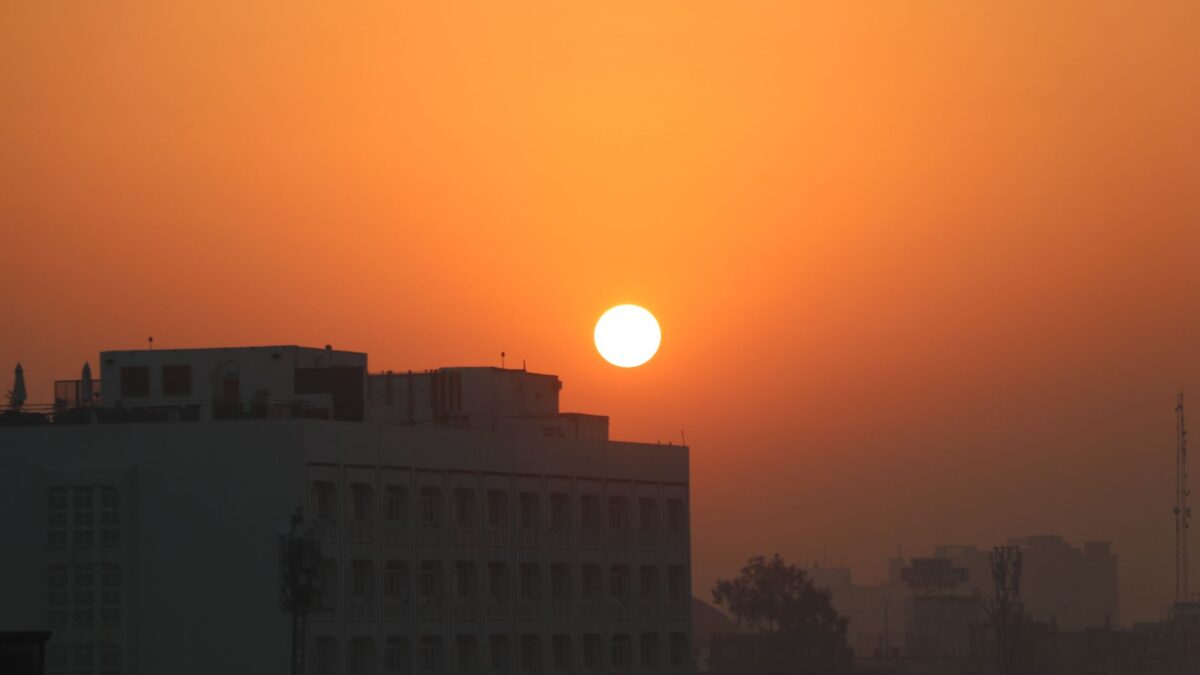
It is that specific hinge moment in Delhi’s calendar where the air feels both cleaner and heavier. The monsoon retreat has left behind a crisp, bright haze, but if you look up at the sky past midday, you will see the faint grey ceiling of the coming winter settling in. As an expat who has survived three such Novembers here, I can tell you: this month demands preparation. The city is shedding its humid skin for wool scarves and AQI checks, and while the light on the Mughal monuments is spectacular, the logistics of getting around have changed drastically since early October.
The Season: Crisp Days, Smog Nights
Right now, the weather in New Delhi sits comfortably between 19°C and 28°C. It is clear, dry, and pleasant—until it isn’t. The sun sets around 5:30 PM, and by evening, a chill sets in that requires a light jacket or shawl. You are walking through the “hinge” season: the post-monsoon freshness is fading into the pre-winter smog buildup. You will notice people checking their phone screens before heading out; the Air Quality Index (AQI) is rising daily. While we are not yet in the thick of the hazardous January fog, the particulate matter from crop burning and vehicle exhaust is accumulating. Pack layers. A breathable shirt for the noon heat and a warm layer for the 7 PM drop are essential. Also, bring high-quality N95 masks; they are becoming standard urban wear, not just travel gear.
Current Disruptions: The Winter Protocol
If you are arriving in November 2026, you must navigate the government’s new permanent anti-pollution framework. This is not a temporary advisory; it is the law. From today until late January, **non-Delhi-registered BS-IV-and-older petrol and diesel vehicles are barred** from entering the city limits. AI cameras and ANPR systems are active at all border checkpoints. If you plan to rent a car from outside Delhi, ensure it meets BS-VI standards, uses CNG, or is electric, or you will be turned back. Stick to the Metro, Uber, or Ola for intra-city travel.
Furthermore, expect significant disruption in the National Capital Region (NCR). Starting November 5th, a 15-day halt on construction and demolition is in effect across Delhi, Gurugram, Noida, Ghaziabad, and Faridabad. If your itinerary involves visiting building sites or expecting roadworks to finish quickly, do not count on it. During this window, local authorities are weighing work-from-home directives for five high-traffic districts, which means office crowds may actually decrease slightly in the mornings, though the evenings remain busy.
Parking costs are also doubling at all authorized Delhi lots through February 2027. Office hours for government bodies have shifted (MCD: 8:30 AM–5 PM; Govt offices: 10 AM–6:30 PM), with physical attendance capped at 50%. Plan your errands accordingly; bureaucracy moves slower now, but the streets are less clogged with government vehicles during peak hours.
Festivals & Events: What Is On Now
November is surprisingly vibrant culturally, anchored by two major events. First, the Shilp Samagam Mela officially opened on November 1st at Dilli Haat, INA. Running until November 15th, this is the definitive craft festival: roughly 150 stalls across seven themed zones, live demonstrations, and evening performances. It is the best place to buy textiles, pottery, and jewelry without haggling too hard. Go early in the day to avoid the rush.
Secondly, the Halloween weekend brought HorrorCon India to the NSIC Grounds in Okhla. While the main event was Oct 31–Nov 1, the energy lingers in the youth districts like Hauz Khas. If you missed the cosplay parade, the after-parties in the bars around Deer Park are still buzzing. For something more traditional, visit Gurudwara Bangla Sahib in the evening. The langar kitchen feeds over 10,000 people daily; joining the onion-peeling line is a humbling, beautiful experience that costs nothing and offers deep cultural insight.
Getting Around & Costs
Delhi remains incredibly cheap by global standards. A modest one-bedroom flat in the city centre rents for about ₹22,300/month (~$265), while outside the centre, it drops to ₹13,500 (~$160). For travelers, food is affordable: an inexpensive local meal is around ₹460 (~$5), and a mid-range dinner for two is roughly ₹2,190 (~$26). A cappuccino in a trendy cafe like Third Wave Coffee in Connaught Place runs about ₹220 (~$2.6).
Transport Tip: Forget the old metro cards. The new NCMC (National Common Mobility Card), specifically the co-branded RuPay ‘On-The-Go’ card launched with Airtel Payments Bank, is the way to go. It works on the Metro, DTC buses, and even e-rickshaws. You can get it at any station kiosk. A single ride costs between ₹11 and ₹64 depending on distance. For tourists, the unlimited 3-day tourist card is ₹500 (~$6)—a steal.
Avoid auto-rickshaws unless you are prepared for touting scams near Connaught Place or New Delhi Railway Station. Use app-based cabs (Uber/Ola) or the Metro. The Metro is clean, safe, and expanding; trial runs for the new Keshopur–Pushpanjali section of the Magenta Line are underway, with a public opening targeted for year-end.
Where to Go This Month
Lodhi Garden is your morning sanctuary. At dawn, the 90-acre park is filled with joggers and laughing yoga groups. The tombs of the Sayyid and Lodhi dynasties are beautifully lit. Nearby, Sunder Nursery (next to Humayun’s Tomb) offers a quieter, restored Mughal landscape for ₹100 entry. It is perfect for a mid-morning walk.
In the afternoon, head to Khan Market. This U-shaped 1951 arcade, built for Partition refugees, is now Delhi’s most expensive retail street. Browse Bahrisons Booksellers or grab a coffee at SodaBottleOpenerWala. It is upscale, clean, and distinctly colonial-modern.
For the evening, Hauz Khas Village comes alive. The ruined 14th-century madrasa overlooks a dense cluster of bars and cafes. It is the epicenter of Delhi’s “ethnic chic” scene. Dinner here is pricier, but the atmosphere is unmatched. Alternatively, for history buffs, the National Crafts Museum off Bhairon Marg offers incredible textile collections and a courtyard lunch at Café Lota (try the palak patta chaat).
Note on Banking: If you are staying long-term, open an account with SBI, HDFC, or ICICI. Bring your passport, visa, address proof, and FRRO registration certificate. Getting a PAN card early is wise, as transactions over ₹50,000 require it. SIM cards from Airtel or Jio are easy to activate at airport counters using your passport.
Frequently asked questions
Are non-local cars banned from Delhi in November 2026?
Yes. Under the permanent winter anti-pollution framework, non-Delhi-registered BS-IV-and-older petrol/diesel vehicles are barred from entering the city from November 1, 2026, to January 31, 2027. Only BS-VI, CNG, EV, and exempted vehicles are allowed.
What is the best way to pay for public transport in Delhi right now?
Use the new NCMC (National Common Mobility Card), specifically the co-branded RuPay 'On-The-Go' card available at Metro stations. It works on the Metro, DTC buses, and e-rickshaws. Tourists can also buy a 3-day unlimited pass for ₹500.
Is there a major craft festival happening in November?
Yes, the Shilp Samagam Mela runs from November 1 to November 15 at Dilli Haat, INA. It features 150 craft and food stalls, live demonstrations, and cultural performances.
How much does a typical meal cost in Delhi?
An inexpensive local restaurant meal costs about ₹460 ($5). A mid-range dinner for two with three courses is approximately ₹2,190 ($26). Coffee prices are around ₹220 ($2.6).
Are construction projects halted in the NCR region?
Yes, a 15-day halt on construction and demolition is in effect from November 5 to November 20, 2026, across Delhi, Gurugram, Noida, Ghaziabad, and Faridabad.
Things to do in India
 Taj Mahal, Agra Fort & Baby Taj Tour from Delhi with 5 Star Lunch
 The Chef @ 11:30 am (4 Main Dishes + 3 Breads)
 6-Day Private Tour of the Golden Triangle
 Private Guided Cooking Workshop Experience in Jodhphur
 Golden Triangle Tour: Private Delhi Agra Jaipur 5 Nights 6 Days
 3 Day Private Golden Triangle Tour Delhi Agra Jaipur