
India in October 2026: what travelers should know now
The air in Delhi this October carries that distinct, heavy promise of transition. The monsoon’s grip is loosening, leaving behind a sticky humidity that clings to your skin until the evening breeze finally arrives. It is a city holding its breath between the rains and the dry, festive chill that will soon descend. As I write this on October 4th, the capital is alive with the tension of political protest, the rhythm of classical dance at ancient forts, and the relentless energy of a metropolis that refuses to slow down. If you are planning to arrive now or are already navigating these streets, here is what you need to know about Delhi right now.
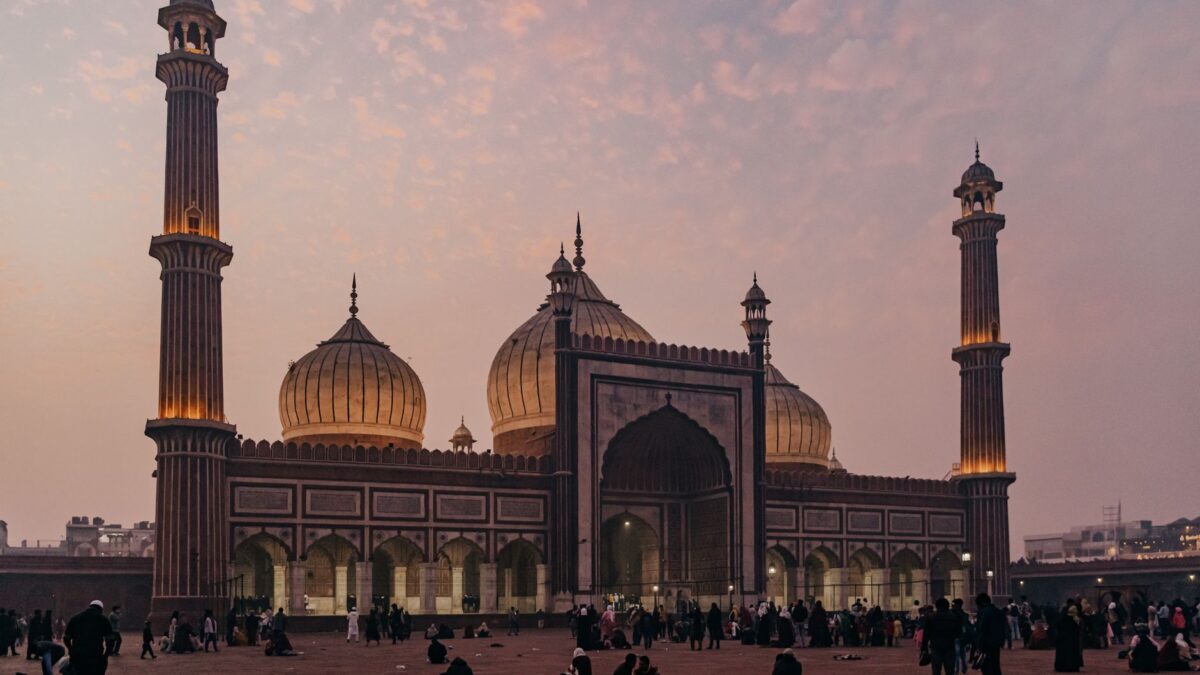
Weather: Humid Days, Clear Evenings
Right now, the weather is defined by extremes that feel like they belong in different seasons. Daytime highs are hitting around 36°C (97°F), with clear skies offering little relief from the sun. However, nights drop to a more manageable 26°C (79°F). The key for travelers is to embrace the ‘siesta’ rhythm of Indian life: stay indoors or in shaded cafes during the peak heat of midday, and head out after 5 PM when the light turns golden and the temperature becomes pleasant for walking.
Pack light, breathable cottons for the day, but do not underestimate the evening coolness. A light jacket or shawl is essential if you plan to sit outside near the Yamuna river or attend an evening qawwali session. The smog season has not fully begun, but there is already a faint haze on the horizon—a reminder that air quality management is a year-round conversation in the NCR. For now, though, visibility remains good, allowing you to see the red sandstone of the Red Fort and the white marble of the Lotus Temple clearly against the blue sky.
Current Events: Protests, Culture, and Disruptions
You must be aware of the significant civil unrest currently shaping the central district. Since October 2nd, there have been large-scale anti-SIR protests centered at Jantar Mantar. These demonstrations have led to strict barricading under Section 163 and Section 144-style restrictions in the New Delhi district. Thousands of police and Rapid Action Force personnel are deployed, and the area around Parliament Street and Rashtrapati Bhavan is effectively closed to casual foot traffic. This is not a place for sightseeing; it is a zone of high security and active civic engagement.
This political atmosphere has had immediate practical impacts on transport. The Delhi Metro Rail Corporation (DMRC) has shut entry and exit at 11 central stations—including Rajiv Chowk, New Delhi, Mandi House, and Central Secretariat—until further notice. While interchange facilities remain open at major hubs like Rajiv Chowk and Mandi House, expect significant diversions and longer walk times if you are staying in or moving through Lutyens’ Delhi. Always check the DMRC app before traveling, as these closures can change hourly based on protest developments.
On the cultural front, however, the city is vibrant. The Indraprastha Nritya Mahotsav is currently underway at Purana Qila, featuring classical dance performances by renowned artists like Raja Radha Reddy and Ramli Ibrahim. The backdrop of the ancient fort adds a dramatic flair to the evening crowds. Meanwhile, the Grub Fest food carnival at NSIC Exhibition Grounds in Okhla is drawing heavy footfall, with nearly 70 restaurants and live acts creating a lively, albeit congested, atmosphere in Okhla Phase III. If you love street food, this is a prime spot, but be prepared for queues and traffic pressure.
Festivals and Seasonal Shifts
October marks the beginning of India’s festive season. While Diwali is still weeks away, preparations are visible everywhere. You will see Ramlila performances being set up in neighborhoods and Durga Puja pandals rising in South Delhi. This seasonal shift means that while tourist prices for flights and hotels remain relatively stable compared to the winter peak, local demand for dining and entertainment is rising. Restaurants in Connaught Place and Hauz Khas are filling up earlier in the evenings.
Looking ahead to next week, keep an eye on the India Mobile Congress at Yashobhoomi Convention Centre in Dwarka, running from October 7–10. With over 1.5 lakh attendees expected, including the Startup World Cup India on October 9, expect heavier traffic on the Airport Express line and increased congestion in the Bharthal area. If you are not attending tech events, consider avoiding Dwarka Sector 21 metro station during peak hours this week.
Costs and Practicalities
Delhi remains incredibly affordable for international travelers. A modest one-bedroom apartment in the city centre costs around ₹24,000 ($235) per month, while outside the centre, it drops to ₹15,000. For daily expenses, the metro is the best value—fares range from ₹11 for short rides up to ₹64 maximum. Consider getting a DMRC Smart Card for a 10% discount on every trip. A single meal at an inexpensive local eatery, such as a veg thali, costs about ₹120 ($1.4), while a mid-range restaurant dinner runs ₹500–₹1,000 ($9).
Street food is a highlight and a bargain. A plate of chole bhature, Delhi’s signature breakfast, is ₹80–₹150 ($1.4), and six pieces of golgappa (pani puri) cost just ₹30–₹40 ($0.4). However, note that gas-driven street-food prices have crept up by ₹10–₹25 per item in 2026, so budget slightly higher than previous years. Auto-rickshaws start at ₹25 minimum, with rides averaging ₹150–₹200 via apps like Ola or Uber. Avoid hailing unmarked taxis, especially near New Delhi Railway Station, where touts can be aggressive.
Visa, Safety, and Connectivity
Most visitors will use the Indian e-Visa system, applied for at indianvisaonline.gov.in. Be aware that the Bureau of Immigration now operates under the Immigration and Foreigners Act, 2025, which came into force in September 2025. This law consolidated several older regulations, so ensure your visa documentation is precise. Long-term visa holders must register with the FRRO within 14 days via the e-FRRO portal.
For connectivity, prepaid SIM cards from Jio, Airtel, or Vi are widely available. You will need your passport, visa, and a local address for verification, with activation taking up to 24 hours. Many short-stay travelers opt for an Airalo eSIM instead for immediate setup. In terms of safety, the national emergency number is 112. Delhi Police has a dedicated Tourist Police unit, and women travelers should utilize the reserved first coach on the Metro and book rides via verified apps rather than street hail.
As you navigate this complex, layered city, remember that Delhi is not just a destination but an experience. From the imperial avenues of Lutyens’ Delhi to the chaotic charm of Old Delhi’s Chandni Chowk, every corner tells a story. Stay informed about the current protests, respect the cultural rhythms, and enjoy the warmth of a city that is slowly turning towards the festive lights of winter.
Frequently asked questions
Are the central Delhi Metro stations open due to protests?
As of October 2026, 11 central stations including Rajiv Chowk and New Delhi are closed for entry/exit due to ongoing protests. Interchanges remain open at key hubs, but expect diversions and delays.
What is the weather like in Delhi in early October?
Expect hot, clear days with highs around 36°C and mild evenings near 26°C. It is humid, so pack light cottons and carry a light layer for cooler nights.
How much does a typical meal cost in Delhi?
A local veg thali costs about ₹120 ($1.4), while mid-range restaurants charge ₹500–₹1,000 ($9). Street food items like chole bhature are roughly ₹80–₹150 ($1.4).
Do I need to register with the FRRO if I am visiting India?
Only long-term visa holders (typically over 180 days) must register with the FRRO within 14 days. Short-term tourists on e-Visas generally do not need to register.
Where can I see classical dance performances in Delhi right now?
The Indraprastha Nritya Mahotsav is currently held at Purana Qila, featuring classical dancers against the historic fort backdrop, typically in the evenings.
Things to do in India
 Special offer
Taj Mahal and Agra Private Car Day Tour from Delhi with 5* Lunch
Special offer
Taj Mahal and Agra Private Car Day Tour from Delhi with 5* Lunch
 The Chef @ 11:30 am (4 Main Dishes + 3 Breads)
 6-Day Private Tour of the Golden Triangle
 Private Guided Cooking Workshop Experience in Jodhphur
 Golden Triangle Tour: Private Delhi Agra Jaipur 5 Nights 6 Days
 3 Day Private Golden Triangle Tour Delhi Agra Jaipur