

Indonesia etiquette: the dos and don’ts
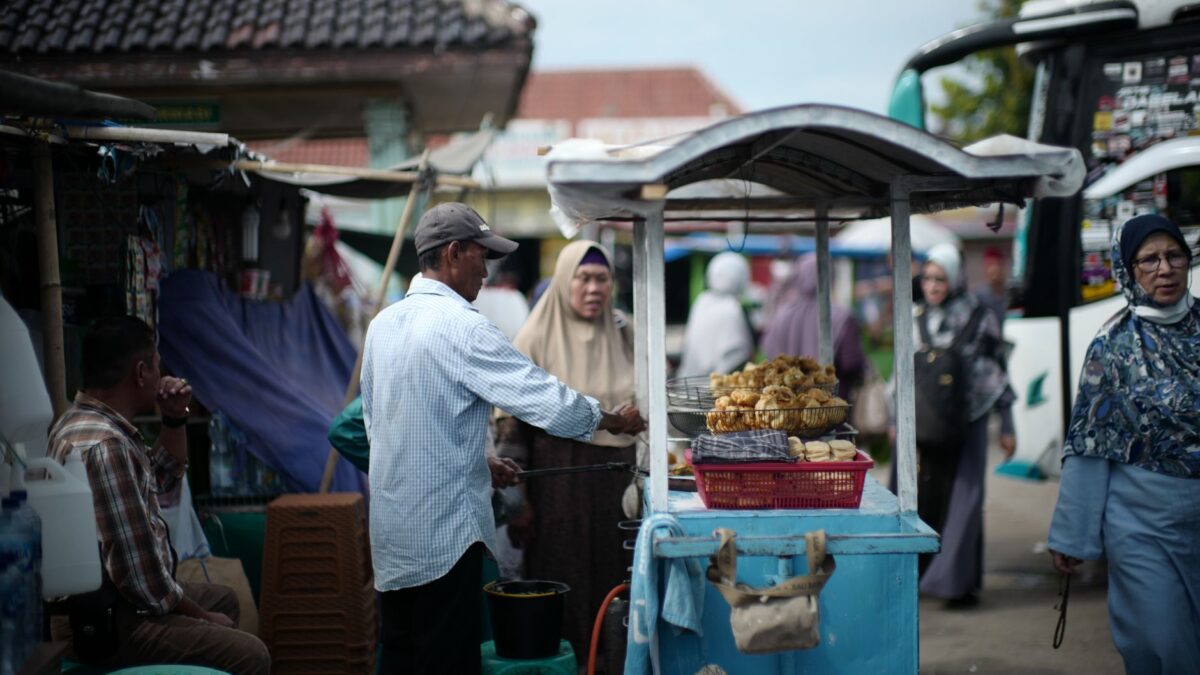
Imagine standing on Jl. Sabang in Menteng as the afternoon heat shimmers off the pavement, the air thick with the scent of clove cigarettes and frying shallots. This is Jakarta in mid-September: hazy from recent volcanic ash, sticky, and utterly alive. You are here to experience Indonesia’s chaotic, beautiful heart, but navigating its social currents requires more than just a guidebook. It demands a shift in perspective—from efficiency to relationship, from directness to harmony. As your host for this week’s Paris2Tokyo episode, I want to share the unwritten rules that will turn you from a polite tourist into a considered guest.
Greetings and the Art of ‘Sopan Santun’
In Indonesia, hierarchy and respect are woven into every interaction. The concept of sopan santun (good manners) is not just about politeness; it is about acknowledging someone’s place in the social fabric. When you meet someone, especially elders or those in authority, a slight bow of the head accompanied by a gentle handshake using only your right hand is standard. If you are meeting someone older or of higher status, they may touch their chest over their heart after the handshake—a gesture indicating sincerity and humility.
Never use your left hand for these interactions, nor for passing money or food. In Javanese and Sundanese culture, the left hand is associated with hygiene and is considered unclean. Even if you are left-handed, make a conscious effort to use your right for social exchanges. It is a small act, but one that signals deep cultural awareness. When entering a home, always remove your shoes before crossing the threshold. It is a sign of respect for the cleanliness of the space and the family within it.
Greetings matter more than schedules. If you are invited to a local’s home, arriving exactly on time can sometimes be seen as rushed. Arriving 10–15 minutes late is often acceptable, but never early. Conversely, if you are the host, punctuality is key. Use phrases like Selamat pagi (good morning) or Selamat siang (good afternoon) rather than a casual “hi.” Addressing people with titles such as Bapak (Mr./Sir) or Ibu (Mrs./Madam) followed by their name is the safest and most respectful approach.
Dining with Your Hands and Heart
Indonesian cuisine is a feast for the senses, but dining etiquette varies by region. In Java and Bali, eating with your right hand is traditional and encouraged, particularly when sharing dishes from a common plate. Wash your hands before and after eating—many homes provide a basin and pitcher (wudu) for this purpose. However, in urban centers like Jakarta, cutlery is ubiquitous, and using a fork and spoon is perfectly acceptable. The rule of thumb: follow the lead of your host.
Tipping is not mandatory in Indonesia, but it is appreciated. In upscale restaurants in SCBD or Sudirman, a 10% service charge is usually included. In local warungs—like those serving a plate of nasi goreng for around Rp20,000–35,000 ($1.7)—leaving small change or rounding up the bill is a kind gesture. For street vendors selling sate ayam for roughly Rp25,000–40,000 ($2.0), tipping is rare, but saying terima kasih (thank you) warmly is essential.
When dining with others, wait for the eldest person to begin eating first. Do not start until everyone has been served. It is also polite to leave a small amount of food on your plate to indicate you are full; finishing everything might suggest the host did not provide enough. Avoid pointing with your finger or foot; use your whole hand or thumb instead. And remember, alcohol is consumed differently depending on the region. In Muslim-majority areas, avoid drinking openly during Ramadan, and always ask permission before offering alcohol to locals who may abstain for religious reasons.
Dress Code: Modesty and Climate
Jakarta’s weather is consistently hot, hovering between 26°C and 36°C with high humidity. Light, breathable cotton clothing is essential. However, modesty is valued, especially when visiting religious sites. When entering mosques like Istiqlal or churches like the Jakarta Cathedral, both men and women should cover their shoulders and knees. Women may need to wear a headscarf; many major mosques provide them at the entrance, but bringing your own is courteous.
In malls and business districts like SCBD, Western attire is common, but avoid overly revealing clothing. Beachwear is strictly for the beach or pool areas; walking through Kota Tua or Glodok in swimwear is disrespectful. If you plan to visit the Thousand Islands (Kepulauan Seribu), pack accordingly, but carry a sarong or cover-up for any island visits that include local villages.
Footwear matters too. As mentioned, remove shoes before entering homes and some traditional shops. In temples, you may also need to remove shoes. Carry a pair of easy-to-slip-off sandals for convenience. Dressing neatly shows respect for the space and the people around you, even in the heat.
The Rhythm of Daily Life and Safety
Patience is your greatest ally in Indonesia. Traffic in Jakarta is legendary, and things rarely move at the speed you expect. If a transaction takes longer than anticipated, or if a bus is delayed, do not show frustration. Anger or loud complaints is seen as losing face and is deeply uncomfortable for Indonesians, who value harmony. Smile, breathe, and go with the flow. This attitude, known as santai (relaxed), is contagious and will help you navigate challenges with grace.
Safety-wise, Jakarta is relatively safe regarding violent crime, but petty theft, such as phone snatching, can occur in crowded areas like TransJakarta buses or night markets. Keep valuables secure and out of sight. Use reputable ride-hailing apps like Grab or Gojek, which are safer and often cheaper than hailing taxis on the street. Be cautious of scams targeting tourists in tourist hubs like Kota Tua or Monas; agree on prices before services are rendered.
Respect local customs during religious holidays. During Ramadan, avoid eating, drinking, or smoking in public during daylight hours as a sign of respect for those fasting. Similarly, be mindful of national holidays like Independence Day (August 17) or Eid al-Fitr, when businesses may close and travel is disrupted. Plan your activities accordingly and join in the celebrations where appropriate—it’s a great way to connect with locals.
Connecting with the Community
To truly understand Indonesia, engage with its community. Visit local markets like Petak Sembilan in Glodok or the morning stalls in Menteng. Buy snacks, try new foods, and chat with vendors. Learn a few words of Bahasa Indonesia; it goes a long way. Simple phrases like Terima kasih (thank you), Mohon maaf (sorry/excuse me), and Bagaimana kabar? (how are you?) open doors. Indonesians are famously hospitable (ramah); once you show genuine interest in their culture, they will welcome you with open arms.
Support local businesses. Instead of international chains, dine at places like SEMAJA Menteng or Lucky Cat Coffee & Kitchen. Stay in locally owned guesthouses or boutique hotels. Your spending directly supports families and communities. Engage in cultural activities, such as attending a gamelan performance at Taman Ismail Marzuki or exploring the art scene at Museum MACAN. These experiences enrich your journey and contribute to the preservation of Indonesian heritage.
Finally, be flexible and curious. Indonesia is vast and diverse, with hundreds of ethnic groups and languages. What works in Jakarta may not apply in Bali or Sumatra. Approach each place with an open mind and a willingness to learn. By respecting local customs, dressing appropriately, dining mindfully, and engaging with kindness, you will not only be a considerate visitor but also a friend. Welcome to Indonesia—selamat datang!
Frequently asked questions
What is the proper way to greet someone in Indonesia?
Use a slight bow and a right-hand handshake. Touching your chest over your heart after shaking hands shows sincerity. Always address people with titles like Bapak or Ibu.
Is tipping expected in Indonesian restaurants?
Tipping is not mandatory but appreciated. In upscale venues, a 10% service charge is often included. At local warungs, rounding up the bill or leaving small change is a kind gesture.
How should I dress when visiting religious sites in Jakarta?
Cover your shoulders and knees. Women may need a headscarf for mosques, which are often provided. Modest attire is also recommended in malls and business districts.
What are the main safety concerns for tourists in Jakarta?
Violent crime is low, but petty theft like phone snatching can occur in crowded areas. Use ride-hailing apps like Grab or Gojek, and keep valuables secure.
Can I eat or drink in public during Ramadan?
It is respectful to avoid eating, drinking, or smoking in public during daylight hours in Muslim-majority areas as a sign of respect for those fasting.
Things to do in Indonesia
 PRIVATE Authentic Balinese Cooking Class in Ubud at Putu's Home
 Ubud Highlights: Monkey Forest, Rice Terrace, Tirta Empul Temple
 Anggrek Putih Lombok Cooking Class & Garden Tour
 Ubud Adventure All Inclusive Private Day Tour
 Likely to sell out
Nusa Penida Two Dives Trip for Certified Divers
Likely to sell out
Nusa Penida Two Dives Trip for Certified Divers
 Bali Airport Transfer Service in Private