

Ireland in August 2026: what travelers should know now
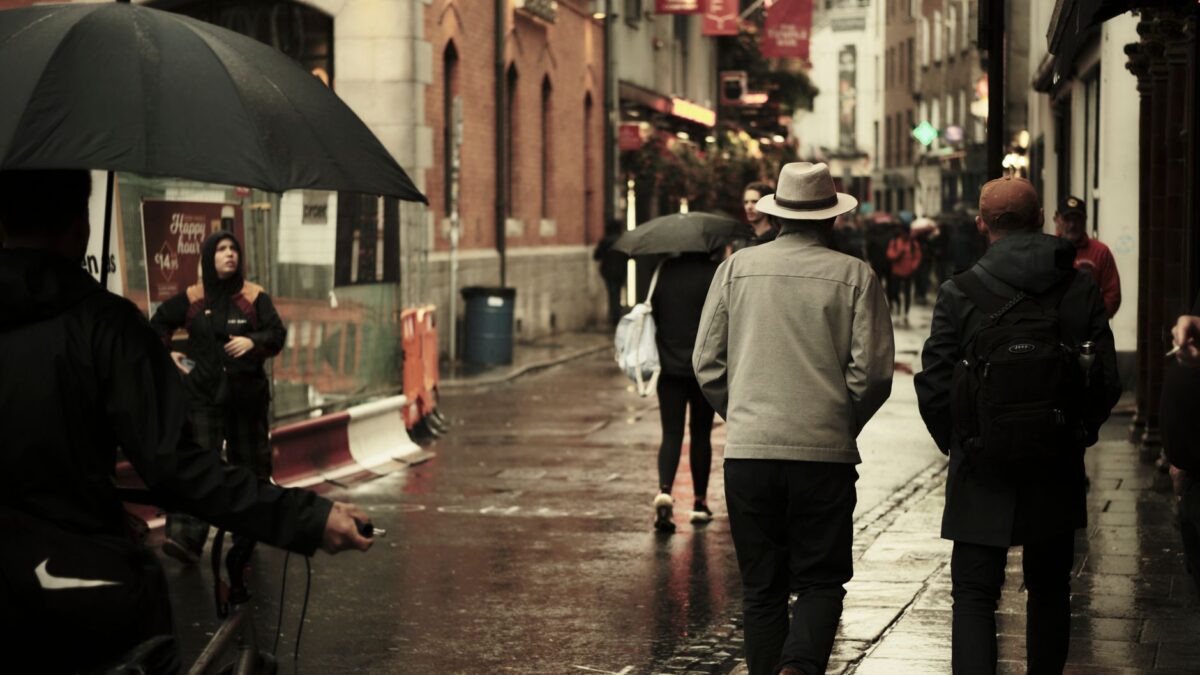
The light is already pulling in — sunrise at 6:12, sunset at 20:44 — and there’s a soft, persistent shower doing its best to keep the grass an impossible green. That’s August in Dublin: temperatures hovering between 14°C and 18°C, four millimetres of rain spread over ten hours, and a city that has learned to live outdoors anyway. If you’re arriving this week, the forecast is doing exactly what it should — mild, damp, and absolutely fine if you pack like a local. Bring the rain jacket, not the umbrella; bring layers, not a coat you’ll carry all day. This is the tail end of peak season, and the city is humming with it.
What August Feels Like in Dublin Right Now
August is the sweet-and-sour of the Irish calendar. The schools are out, the weather — while not tropical — is at its most forgiving, and everyone who owns a holiday home within an hour of the coast has decamped to it. You’ll find the city busy but not suffocating; the big crowds are still doing the Trinity–Guinness–Kilmainham triangle, and if you’re reading this on the 19th or later, you’re arriving as the last of the tourist wave is starting to ebb. Prices reflect that. A mid-range hotel or decent guesthouse will run you about €120 to €180 a night — the average daily rate across the city is hovering around €175 — and it won’t get meaningfully cheaper until the second week of September. Book what you can now, and don’t expect a bargain in Temple Bar unless you’re booking a hostel dorm.
The good news? The rain is real but usually passing. That 4mm over 10 hours means you’ll get caught once, maybe twice, and then the sun will be out again. The trick is to plan your day around indoor anchors — the National Museum of Ireland on Kildare Street(free entry, prehistoric gold that will stop you in your tracks) or the Little Museum of Dublin on St Stephen’s Green — and let the gaps between showers take you across the city. The Guinness Storehouse is at its busiest in the late afternoon, so go early or book a slot for when you’re already soaked. The Gravity Bar at the top is a 360° city view that’s genuinely worth the price of a pint — but time it for a break in the clouds.
What’s On and What’s Closing in the Weeks Ahead
There’s no bank holiday in the immediate future — the next one, October’s October Bank Holiday, is weeks away — so you won’t hit the closed-Monday surprises that catch visitors in May and June. What you will hit is the last gasp of summer programming. The Dublin Fringe Festival traditionally takes hold in early September, so if you’re here in the next ten days you’ll see the city starting to layer up with posters and pop-up venues. For now, the Dublin City Council is running its usual summer events programme — check what’s on at Collins Barracks (the Decorative Arts & History branch of the National Museum, free entry) and the EPIC The Irish Emigration Museum down in the Docklands, which is a great wet-day option and excellent for anyone tracing family history.
One closure to plan around: Kilmainham Gaol is a cornerstone of the Irish story — the 1916 Rising leaders were executed here — and it operates on timed tickets that sell out daily in August. If you can’t get in, the GPO Witness History on O’Connell Street tells the same story from the other side of the barricade. On the transport front, the Luas and DART are running on normal schedules this month, but the Dublin Bus network does see summer service reductions on some routes — always check the TFI Live app before you rely on a specific bus.
Where to Go Now: The Local Districts That Shine in Late Summer
You didn’t come to Dublin to queue for a pint on Grafton Street. The city’s real pulse this month is in the neighbourhoods. Stoneybatter in D7 is still the most charmingly photogenic spot north of the Liffey — Victorian terraces, craft pubs, and a literal gate into Phoenix Park, Europe’s largest enclosed city park at 707 hectares. The fallow deer are there year-round, but late August is when the fawns are losing their spots, and the evening light through the park is stunning. Bring a pair of binoculars if you have them. Ranelagh in D6 is your café-and-foodie fix — the densest strip of coffee shops and restaurants in the city, all a short Luas ride away. Portobello in D8 is canal-side and student-heavy, with independent wine bars that spill onto the towpath in good weather. And if you want the coast without a long trip, Dún Laoghaire is a 25-minute DART ride out — Victorian harbour, two stone piers to walk, and a calm family vibe that’s a world away from the city centre’s bounce.
The Money Question: What Things Cost in August 2026
Let’s be straight with you: Dublin is one of Europe’s priciest cities, and the dominant cost is housing, not living. The standardised average rent for a new one-bedroom in the city is around €1,823 a month — city-centre listings will often show €2,100 to €2,250 — which is a record high and rising 3–6.5% year-on-year. If you’re staying a short time, that’s not your problem, but if you’re considering a longer move, budget seriously.
For visitors, the day-to-day is manageable. A coffee will cost you about €4. A pint of a local stout like Guinness in a city-centre pub will run about €6.50. Transit is the real steal: the TFI Leap Card gets you a 90-minute journey across bus, Luas, and DART for €2.00 (€2.60 cash, so don’t pay cash), with a daily cap of €6.00 and a weekly cap of €24.00 in Zone 1. If you’re 19–25, the Young Adult Leap Card cuts that by about half. The Leap Visitor Card — unlimited for 1, 3, or 7 days — is sold at the airport and is worth buying if you’re going to use the DART more than twice a day. Pick up a Leap card at any convenience store and top up via the Leap Top-Up app; it works for both trams and the coastal train to Howth.
Practical Tips for Your Week(s) Ahead
Let’s run the checklist you’ll actually need.
- Visa reality check: EU/EEA, Swiss, UK, US, Canadian, Australian, and NZ citizens don’t need a visa for up to 90 days. Remember, Ireland is not in the Schengen Area — so if you’re from elsewhere, you need a separate Irish visa via ISD, and there’s no ETIAS for Ireland. Don’t assume your Schengen visa covers you.
- If you’re staying longer than 90 days: Non-EEA residents must register with ISD to get an Irish Residence Permit (IRP), and you’ll need a PPS number from Intreo before you can be paid for work. Don’t delay on either — August is a busy time for appointments.
- Banking & SIMs: Opening a bank account needs a passport, proof of address (usually a utility bill), and generally a PPS number. Many newcomers open a Revolut or Wise account first — that’s practical for the first few weeks. For your phone, Three, Vodafone, and eir are the main networks; eir’s budget brand GoMo is a great cheap prepay, and you’ll find SIMs at newsagents and the airport. eSIMs are broadly available.
- Stay street-smart: Dublin is generally safe, but Temple Bar and O’Connell Street at night see pickpocketing. Use common sense with your phone in hand near crowds, and know that ride-hailing is best via Freenow — it works more reliably than Uber here. For taxis, book via the app or hail on the street.
- Packing final word: Waterproof shoes are non-negotiable. The 4mm of rain over 10 hours means wet pavements, not a monsoon, but a wet sock will ruin your day faster than any closed museum. Bring a light fleece for the evenings — 14°C at night after an 18°C day feels cooler than you expect.
August in Dublin isn’t about chasing the perfect weather — it’s about learning the Irish rhythm of moving between indoor warmth and outdoor brightness, and knowing that a shower is just a pause, not a stop. Go to Phoenix Park for the deer, Kilmainham Gaol for the history, and a trad session at The Cobblestone in Smithfield for the feeling of being somewhere with a deep, messy, beautiful story. You’ll get the city — and the city will give you plenty back.
Frequently asked questions
Do I need a visa for Ireland in August 2026?
US, Canadian, Australian, NZ, and UK citizens don't need a visa for up to 90 days. Ireland is outside the Schengen Area, so most other nationalities need a separate Irish visa via ISD — there's no ETIAS for Ireland.
What's the weather like in Dublin in late August?
Expect 14–18°C and passing rain showers (about 4mm over 10 hours). Bring a waterproof jacket and layers; the sun is up from 6:12 to 20:44, so plan for outdoor time between rain.
How much does public transport cost in Dublin?
A TFI Leap Card gives you a 90-minute journey on bus, Luas, and DART for €2.00, with a daily cap of €6.00 and weekly cap of €24.00 in Zone 1. The Leap Visitor Card is sold at the airport for unlimited travel.
Is August a busy time to visit Dublin?
Yes, it's peak season — mid-range hotels run about €120–180 per night. Crowds are starting to thin after the 19th, and prices drop in September. Book accommodation now for the best availability.
What should I not miss in Dublin this week?
Kilmainham Gaol is essential for the 1916 story but sells out daily — book ahead. Otherwise, Phoenix Park's deer, the free National Museum on Kildare Street, and a trad session at The Cobblestone in Smithfield.
Things to do in Ireland
 Likely to sell out
Dunmore East Sea Safari to Hook Lighthouse
Likely to sell out
Dunmore East Sea Safari to Hook Lighthouse
 Dublin LGBTQ Pride Historical and Cultural Walking Tour
 Authentic Dublin private car tour Top Ranked Dubliner guide Éamon
 The Irish Dance Experience in Galway, Ireland
 Private Tour of Ring of Kerry & Valentia Island
 Boat Tour of Kinsale Harbour and Bandon River