

Japan etiquette: the dos and don’ts
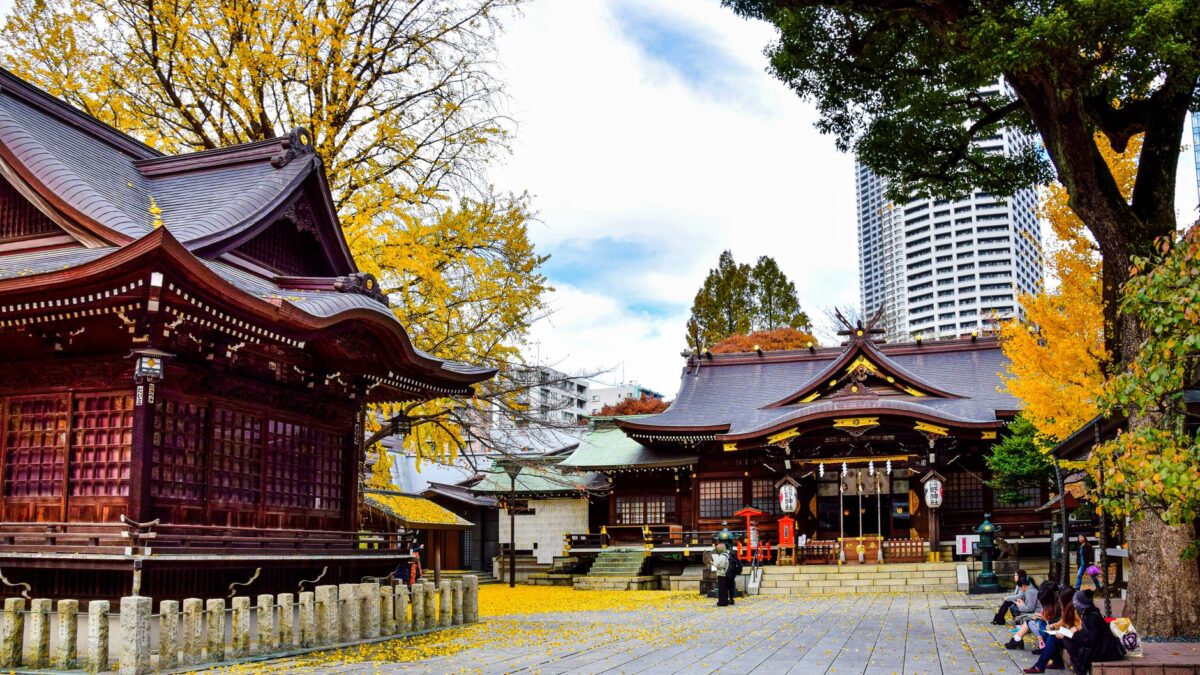
The air in Tokyo shifts around mid-November. It is no longer the humid embrace of summer, nor the biting chill of January. It is a crisp, clear late autumn where the light hits the ginkgo avenues at Meiji Jingu Gaien with a golden glow, and you find yourself reaching for a coat by evening. This is the season when locals step out after dark to see the Yoyogi Forest of Lights or catch the first screenings at the new Jiyugaoka Film Festival. But before you can enjoy these moments, there is a rhythm to the city you must learn to dance with. Japan is not difficult; it is simply precise. As someone who has lived here through decades of change, I want to share the unwritten rules that keep your journey smooth and your interactions respectful.
Greetings and Personal Space
In the West, we often equate friendliness with touch—a handshake, a hug. In Tokyo, respect is shown through distance and stillness. When you meet someone, a slight bow of the head suffices. If you are unsure, a small nod is perfectly acceptable. Do not force eye contact; staring can be perceived as aggressive or rude. Instead, look slightly below the person’s eyes or at their neck.
This reserve extends to public transport. The Yamanote Line is a marvel of engineering, but it is also a place of enforced silence. While talking on mobile phones is strictly prohibited on most lines, hushed conversation is tolerated if brief. However, the real etiquette lies in volume control. Keep your voice low. On the subway, which costs roughly ¥180 ($1.2) per ride using an IC card like Suica or PASMO, you are sharing a confined space with hundreds of people. Respect their peace. Let passengers exit before you board—this is non-negotiable during rush hour.
Dining: From Ramen Bars to Izakayas
Eating in Tokyo is an art form, but it comes with its own choreography. You will likely start with something quick. A bowl of tonkotsu or shoyu ramen at a local shop runs about ¥900–¥1,200 ($7). Here, tipping is not just unnecessary; it is confusing. Waiters may chase you down the street to return your ‘tip’ because they think you left money by accident. Never tip. Your payment covers the service.
If you visit a counter-style ramen shop, you might buy a ticket from a vending machine outside. Once seated, you can eat quickly or linger, but do not order two bowls if you have only one seat reserved unless the staff permits it. At a gyudon chain like Yoshinoya, a beef bowl costs around ¥450–¥550 ($3), and the pace is brisk. This is efficient, not cold.
For dinner, many visitors flock to izakayas (Japanese pubs). A meal here, food only, averages ¥3,000–¥4,000 ($23). Order family-style, sharing plates like edamame or yakitori. If you go to Omoide Yokocho in Shinjuku, expect to pay about ¥1,000–¥1,500 ($8) for skewers and beer. Note that tables are tiny. Sharing space with strangers is part of the charm. If you are dining at a formal restaurant, observe how others pour drinks for their neighbors. Refusing a drink politely is fine, but refusing to pour for others can seem distant.
Dress Code and Public Behavior
Tokyo fashion is diverse, but context matters. In districts like Shibuya, youth fashion is loud and expressive. In Shinjuku’s Golden Gai, you might see salarymen in suits next to artists in avant-garde wear. Generally, cleanliness and neatness are valued over trends. If you plan to visit temples like Senso-ji in Asakusa or the serene Meiji Shrine, avoid overly revealing clothing. Shoulders and knees should ideally be covered, though strict enforcement is rare for tourists. Still, dressing modestly shows respect for the sacred space.
Footwear is critical. Many traditional restaurants, ryokans, and even some museums require you to remove your shoes. Look for the genkan (entryway) step up. Slippers will often be provided. Remember: never wear indoor slippers into a toilet area. There are separate toilet slippers; switching them back before leaving the bathroom is a small detail that marks you as a considerate visitor.
Walking and eating simultaneously is frowned upon. It is considered messy and disrespectful to the food vendors. Finish your purchase at the stall or take a few steps away from the shop front before eating. This applies to convenience store items too. Eat at the designated standing counters or sit in the store if space allows.
Money, Waste, and Daily Routines
Cash is still king in many smaller establishments, though credit cards and IC cards are widely accepted. Carry yen coins; they are heavy but useful for lockers, vending machines, and temple donations. When paying, use the tray provided at the register. Do not hand cash directly to the cashier’s hand. Place it on the tray, and they will return your change and receipt the same way.
Trash collection in Tokyo is rigorous. Public trash cans are surprisingly scarce, especially in central wards like Shibuya and Minato. The rule is simple: carry your trash with you until you return to your hotel or find a bin at a convenience store (7-Eleven, Lawson, FamilyMart). Recycling bins are common but specific. Plastic bottles must have their caps and labels removed. If you are unsure, ask a local or stick to carrying it out.
When visiting homes, always bring a small gift. A box of high-quality sweets from a department store depachika (basement food hall), costing around ¥900–¥1,600 ($8), is perfect. Do not open the gift immediately unless asked. Present it with both hands, saying ‘osusume’ (recommendation) or ‘chotto dakedo’ (it’s a small thing).
Seasonal Awareness and Safety
Japan is deeply connected to the seasons. In November, as the temperature drops to between 8–20°C, locals begin buying noren (fabric curtains) for winter warmth and enjoying persimmons. Acknowledging the season in conversation—’The weather is getting colder, isn’t it?’—is a standard icebreaker. It shows you are present and observant.
Safety in Tokyo is high, but natural hazards exist. Earthquakes are possible. Download the ‘Safety Tips’ app by JNTO. Know that emergency numbers are 110 for police and 119 for fire/ambulance. If you hear an earthquake early warning, drop, cover, and hold on. Also, note that Shibuya has a year-round ban on nighttime street drinking since October 2024. Enjoy your beer inside bars or parks where explicitly permitted, but keep the streets clean and quiet.
Finally, remember that ‘omotenashi’—Japanese hospitality—is everywhere. It is in the bow of the train conductor, the precision of the ticket gate, and the warmth of the shopkeeper. You do not need to speak perfect Japanese to receive it. A polite ‘sumimasen’ (excuse me/sorry) and ‘arigatou gozaimasu’ (thank you) goes a long way. Learn these phrases. Use them. They are the keys to unlocking the genuine kindness that makes living in Tokyo so special.
Frequently asked questions
Is tipping expected in Tokyo restaurants?
No, tipping is not practiced in Japan and can cause confusion. Service charges are included, and good service is standard. Simply pay the bill amount.
Can I eat while walking on the streets of Tokyo?
It is generally considered poor etiquette to eat while walking. Finish your food at the vendor's stand, move to a nearby park, or return to your accommodation.
What should I wear when visiting temples like Senso-ji?
While there is no strict dress code for tourists, modest attire covering shoulders and knees is respectful. Remove shoes when entering temple buildings if required.
How do I dispose of trash in Tokyo?
Public trash cans are rare. Carry your waste with you until you find a bin at a convenience store or return to your hotel. Separate recyclables as instructed.
Is it okay to talk on my phone on the subway?
Talking on mobile phones is strictly prohibited on most Tokyo subway lines. Keep calls silent or step off the train to speak privately.
Things to do in Japan
 Samurai Training Experience KENDO in Osaka
 Special offer
Tokyo Private Discovery Tour | Unique Insights & Must Sees
 Pixel Lab Tokyo: Gameboy Mod Workshop (Classic/Color/Advance/SP)
 Private Tea Ceremony and Sake Tasting in Kyoto Samurai House
 Private Tailor-made Akihabara Anime Tour with a Local Otaku Guide
 Tokyo: Game Boy Mod Workshop in Akihabara (Original/Advance)