

Jordan etiquette: the dos and don’ts
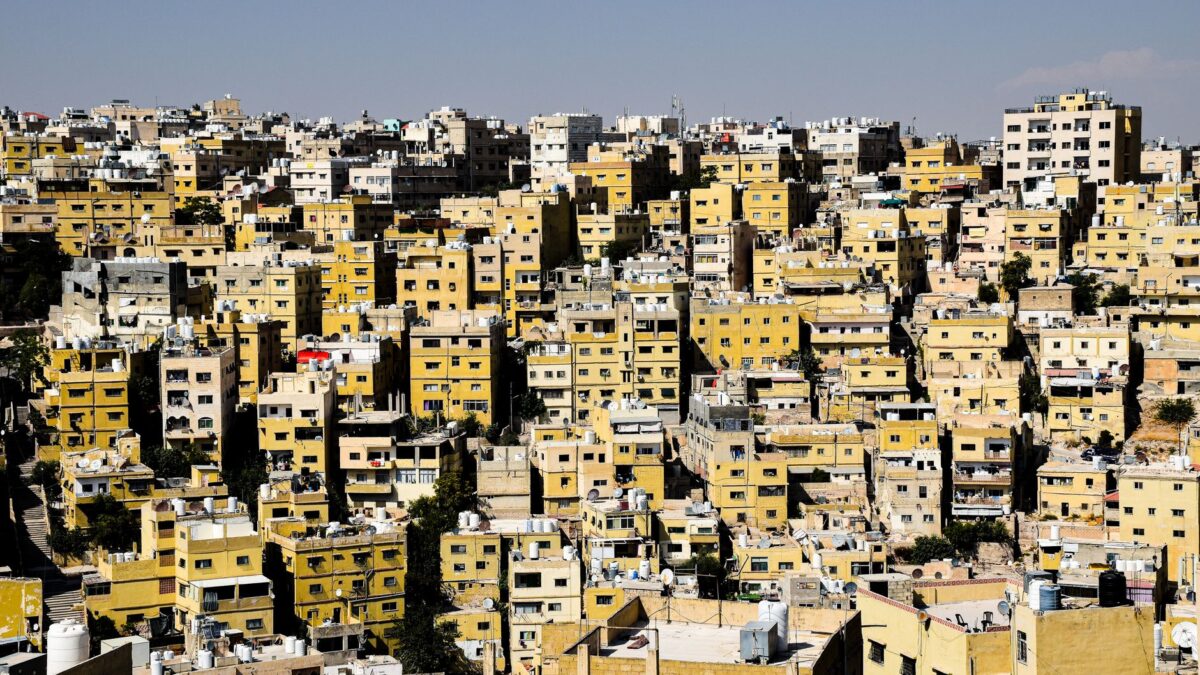
Amman in November is a city shedding its dust. The first real rains of the year are washing the limestone streets clean, and the air has turned crisp—around 7–18°C, cool enough to need a jacket but never biting. It is olive-harvest time, and if you walk through Al-Balad (Downtown) or down toward Jabal Al-Weibdeh, you will smell the fresh, green scent of *zeitoun*. Small presses on the city’s edges run late into the night, and locals are buying new-season oil by the jerrycan. This sensory shift marks a change in pace; evenings grow longer and cooler, and the hospitality that defines Jordan becomes even more pronounced as people gather indoors. For visitors, this season offers a perfect window to understand the local rhythm: slow, deliberate, and deeply communal.
Greetings and the Art of ‘Akhdar’
In Jordan, greetings are not merely polite formalities; they are social contracts that establish trust before business or friendship begins. When you meet someone, whether it is a shopkeeper in the gold souq or a colleague in Abdali, do not rush. The standard greeting involves a handshake, often accompanied by placing your right hand over your heart—a gesture signaling sincerity. Among men, it is common to see multiple kisses on the cheeks, starting with the right. If you are a woman, wait for your host to initiate physical contact; a warm verbal greeting and a smile are always appropriate.
The phrase “How are you?” (*Shlonak/Shlawnak*) is rarely rhetorical. Expect a reciprocal inquiry about your family and health. A simple “Alhamdulillah” (Praise be to God) suffices for well-being, followed by asking about their family. This exchange can take five minutes or twenty. Do not cut it short. In the busy corridors of the Central Bank of Jordan or while waiting for an Amman Bus BRT ride, patience is the ultimate sign of respect. If you are invited to a home, bring small gifts like pastries from a renowned bakery like Sufra Restaurant or chocolates. Never arrive empty-handed.
Dining Manners: The Hospitality Code
Jordanian food culture is built on abundance. When you sit down for a meal, expect more than you can eat. This is intentional. To finish everything on your plate might signal that the host did not provide enough. Leave a small bite to show satisfaction. When eating, use only your right hand, especially when sharing from communal plates of hummus, foul, or mansaf. The left hand is traditionally reserved for hygiene purposes.
Coffee and tea are the lifeblood of social interaction. If you are served Arabic coffee (*qahwa*), accept at least one cup. It is rude to refuse. Hold the small handle-less cup in your right hand, sip lightly, and when finished, wave the cup slightly side-to-side to indicate you have had enough. Refusing after the first cup requires a gentle explanation. Similarly, if you visit a café on Rainbow Street or in Weibdeh, such as ALMOND COFFEE HOUSE, remember that ordering a cappuccino costs around 2.50 JOD. While prices vary, these cafes are social hubs where lingering is expected, not frowned upon.
Tipping (*baksheesh*) is integral to the service economy. It is not optional but expected. In restaurants, if service charge is not included, leave 10% for good service. For street food, like a falafel sandwich costing roughly 1.50 JOD, rounding up or leaving small change is appreciated. Taxi drivers do not expect tips, but rounding up the fare is kind. For hotel staff or tour guides, 5–10 JOD per day is a generous gesture. Tipping shows you recognize the value of their labor in an economy where inflation sits around 1.8% and GDP per capita is approximately $5,348.
Dress Code: Modesty and Modernity
Jordan is a conservative Muslim society, yet Amman is cosmopolitan. Dress codes vary significantly by district. In Al-Balad and near religious sites like the Grand Husseini Mosque, modesty is paramount. Women should cover shoulders and knees; men should avoid shorts in sacred spaces. However, in areas like Sweifieh or the modern Abdali Boulevard, Western attire is commonplace. Still, carrying a scarf or wearing layers is wise for both respect and the cooling November weather.
For women, loose-fitting trousers and long-sleeved tops are versatile choices that work everywhere from the Roman Theatre to a high-end mall in Abdoun. Men should wear trousers rather than shorts in public markets. Swimwear is acceptable at the Dead Sea resorts or private hotel pools but must be changed immediately when leaving those zones. Jewelry should be understated; ostentatious displays can attract unwanted attention or mark you as an easy target for theft, though violent crime against tourists is rare.
Small Customs That Matter Locally
Understanding the subtle rules of daily life prevents awkwardness. Always remove your shoes when entering a home; many Jordanians have separate indoor slippers. When sitting, avoid showing the soles of your feet or shoes to others, as this is considered disrespectful. If you are driving, be prepared for aggressive traffic, particularly in Sweifieh where congestion is severe. Horns are used expressively, not just aggressively. Pedestrians have right of way in many informal crossings, but caution is advised.
Photography etiquette is crucial. Always ask permission before photographing people, especially women and children. Some may decline due to religious or personal reasons; respect this immediately. Photographing military installations, police stations, or government buildings is strictly prohibited and can lead to detention. Even in public spaces like the Amman Citadel, be mindful of those praying or visiting the mosque within the complex.
Language adds warmth. Learning basic Arabic phrases enhances interactions. “Shukran” (Thank you), “Afak” (Please), and “Salam Alaykum” (Peace be upon you) go a long way. While English is widely spoken in tourism sectors, attempting Arabic shows effort and respect. Be aware that political discussions can be sensitive given the regional context; listen more than you speak, and avoid making assumptions about local politics or the monarchy. Jordanians are proud of their stability and hospitality, and engaging respectfully fosters deeper connections.
Practical Considerations for the Visitor
Logistics ease the journey. Most Western nationals receive a visa on arrival at Queen Alia International Airport, but purchasing the Jordan Pass online beforehand waives the visa fee and includes entry to major sites like Petra and Jerash. Public transport relies on the Amman Bus system, including the BRT with a flat fare of 0.55 JOD using a smart card available at terminals like the Jordan Museum. Cash is king in markets; carry small denominations of Jordanian Dinar (JOD). ATMs are plentiful, and cards work in malls and upscale restaurants, but street vendors and smaller shops prefer cash.
Stay connected with a prepaid SIM from Zain, Orange, or Umniah, registered with your passport at the airport or authorized shops. Safety is generally high, but remain vigilant in crowded areas. Respect local customs regarding alcohol consumption; while available in licensed venues, public drunkenness is unacceptable. By observing these etiquettes, you honor the spirit of *diyafa* (hospitality) that makes Jordan unforgettable. Enjoy the rain-washed streets, the fresh olive oil, and the warmth of its people.
Frequently asked questions
What should I wear in Amman during November?
November brings cool weather (7–18°C). Wear layers, jackets, and modest clothing covering shoulders and knees, especially in Al-Balad and religious sites. Western attire is acceptable in Abdali and Sweifieh.
Is tipping expected in Jordan?
Yes, tipping (*baksheesh*) is customary. Leave 10% in restaurants if no service charge is added, round up taxi fares, and tip hotel staff or guides 5–10 JOD per day.
How do I greet people in Jordan?
Use a handshake with the right hand, often placing the left hand over your heart. Men may kiss cheeks. Ask about family and health sincerely; greetings are lengthy and important.
Can I drink alcohol in public places in Amman?
No. Alcohol is only available in licensed hotels, bars, and restaurants. Public drunkenness and drinking in streets or parks is strictly prohibited and socially unacceptable.
Do I need a visa for Jordan?
Most Western nationals get a visa on arrival, but buying the Jordan Pass online beforehand waives the visa fee and includes entry to attractions like Petra and Jerash.
Things to do in Jordan
 Private Flexible Transportation from Amman to Jordan’s Cities .
 Private Two Day Tour To Petra, Wadi Rum and Dead Sea from Amman
 Petra & Dead Sea - One day Private tour
 Private Transportation-Nayl-fdool
 From Amman: Private Dead Sea, Madaba and Mount Nebo Full day tour
 2-Hour Private Scuba Experience in Aqaba