

Kazakhstan etiquette: the dos and don’ts
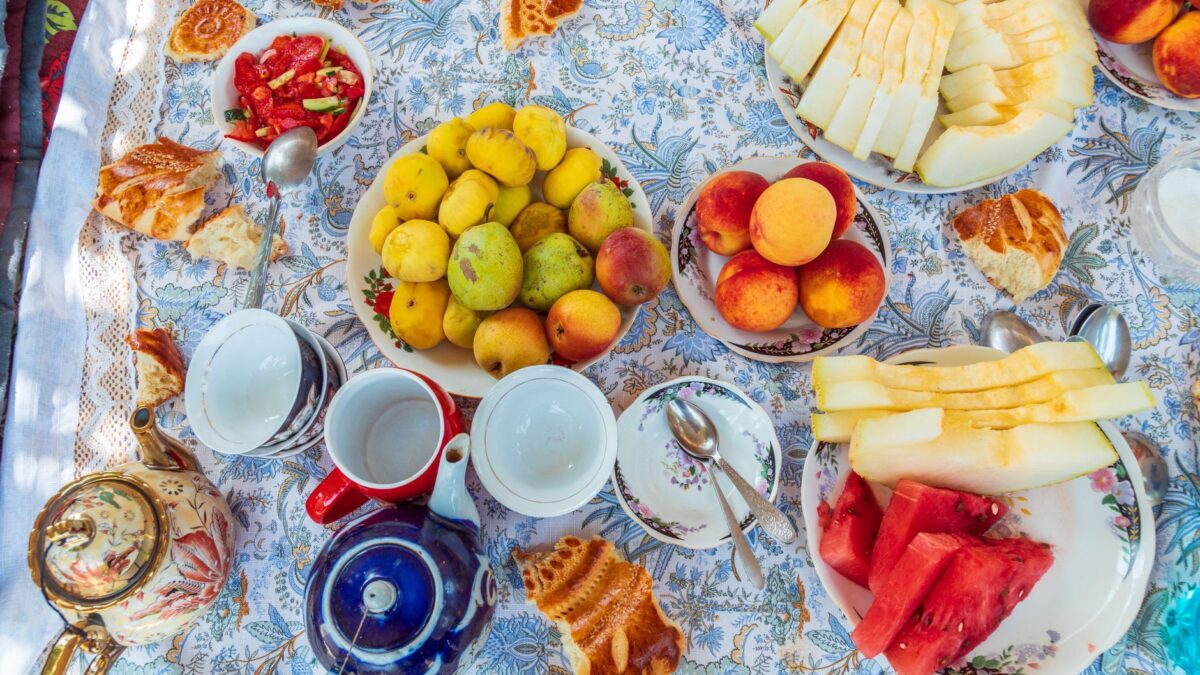
It is early September in Astana, and the wind off the Ishim River carries that specific, crisp bite that signals the end of summer. The city is a hive of activity right now: the Space Days forum has taken over Nazarbayev University, delegates are flooding the AIFC district for Finance Days, and the streets hum with the anticipation of Enrique Iglesias’s stadium show at the Arena. In this moment of global convergence, you might feel like an outsider looking in. But Kazakhstan is not a place where you need to be perfect; it is a place where you need to be present. Etiquette here is less about rigid rules and more about recognizing the deep hospitality woven into our daily lives. If you follow these guidelines, you will find doors opening, smiles widening, and meals shared with genuine warmth.
The Art of the Greeting
In Kazakhstan, how you say hello matters as much as what you say. When you meet someone for the first time, especially if they are older or in a position of authority, a firm handshake is standard. However, there is a crucial nuance: never shake hands across a threshold. Whether you are entering a home or stepping into an office, cross the doorframe before extending your hand. This old superstition holds significant weight among locals, and observing it shows immediate respect.
If you are invited into a Kazakh home, do not arrive empty-handed. It does not have to be expensive—a box of chocolates or a bottle of wine is appropriate. Upon entry, wait to be told where to sit. In traditional settings, guests are often seated on the tushlik, the elevated platform facing the wall adorned with family photos and icons. Do not sit until the host invites you to; doing so can be seen as presumptuous. Also, remove your shoes immediately upon crossing the threshold unless the host explicitly tells you otherwise. Leaving muddy boots on the carpet is a cardinal sin.
Dining with Respect
Food is the heartbeat of Kazakh culture, and dining etiquette is deeply rooted in communal sharing. You may be offered beshbarmak, the national dish of boiled meat and noodles, or manti, steamed dumplings. When eating, remember that the right hand is used for passing dishes and accepting food, while the left hand should remain mostly still. It is considered polite to leave a small amount of food on your plate when you are finished; finishing everything can imply that the host did not provide enough.
Tea is served constantly, often in white porcelain cups. If you are done with a cup, place it upside down on the saucer to signal to the host that you require no more refills. Conversely, if you leave it right-side up, expect another round. Tipping is not legally mandated but is highly appreciated in urban centers like Astana. For a meal at a mid-range restaurant—where a three-course dinner for two might cost around ₸16,000 (≈ $35)—leaving 10% is standard practice. At casual cafes serving pelmeni for roughly ₸3,100 (≈ $7), rounding up the bill or leaving small change is sufficient. Cash tips are preferred, handed directly to the server.
Dress and Demeanor
Astana is a city of contrasts, blending futuristic architecture with deep-rooted traditions. Dress codes vary significantly depending on where you are. In the Esil District, along Nurzhol Boulevard, you will see business attire and modern fashion. However, when visiting religious sites, modesty is non-negotiable. At the Hazret Sultan Mosque, the largest in Central Asia, women must cover their heads, arms, and legs. Men should also avoid shorts or sleeveless shirts. Shoes are removed before entering the prayer halls.
Even outside mosques, dressing neatly is a sign of respect. Kazakhstan is a conservative society in many ways, and overly revealing clothing may draw unwanted attention or discomfort, particularly in rural areas or older districts like Saryarka. In the capital, however, the dress code is relatively relaxed, provided you maintain a level of decorum. Carry a light jacket even in September; evenings near the Taldykol lakes or along the river promenade can drop quickly to 12°C, catching tourists off guard.
Small Customs That Matter
There are subtle gestures that define local courtesy. Never refuse food or drink outright if offered by a host; a polite decline followed by acceptance of a small portion is the safest route. Refusing completely can be interpreted as rejecting the person’s kindness. Similarly, do not point with your finger; use an open hand instead. When receiving something, always use both hands or your right hand, never just the left.
Bargaining is common in markets like the Green Bazaar (Zelyony Bazar) in the Right Bank, but it is rarely practiced in supermarkets, malls, or restaurants. Be mindful of personal space; standing close during conversation is normal here. If you are using public transport, note that buses accept payment only via the Onay card or the Kaspi.kz app—cash is not accepted. Fares are approximately ₸110 (≈ $0.2). Showing readiness to pay digitally rather than demanding cash change demonstrates cultural adaptability.
Finally, learn a few words. Amnashtasyn (Hello) and Rakhmet (Thank you) go a long way. Locals appreciate the effort, even if your pronunciation is imperfect. In a country where hospitality is a sacred duty, showing humility and gratitude is the greatest gift you can offer. As you navigate the bustling Expo District or wander the quiet streets of Almaty District, remember that your consideration is noticed and valued. Embrace the rhythm of the steppe, and you will find yourself not just a visitor, but a welcomed guest.
Frequently asked questions
Is tipping expected in Kazakhstan?
Tipping is not mandatory but is appreciated in cities like Astana. Rounding up the bill or leaving 10% at restaurants is standard practice.
What should I wear to visit the Hazret Sultan Mosque?
Modest dress is required. Women must cover their hair, arms, and legs, and men should avoid shorts or sleeveless tops. Shoes must be removed inside.
How do I pay for public buses in Astana?
Cash is not accepted. Use the Onay transport card or the Kaspi.kz app to tap and pay. Fares are around ₸110.
Is it rude to finish all the food on my plate?
Yes, in traditional settings. Leaving a small amount indicates you are satisfied and that the host provided plenty. Finishing everything may imply hunger for more.
Things to do in Kazakhstan
 Astana City Tour: Private Full Day with Lunch and Comfort Pickup
 Private Full Day Almaty City Tour
 Discovering 6 Stunning Sights on Private Tour of Charyn Canyon
 1 Day Group Tour to Charyn Canyon, Kolsay Lake and Kaindy Lake
 Astana: KarLag and Karaganda - Private USSR history tour
 1 Day Private Tour to Charyn Canyon, Kolsay and Kaiyndy