

Kenya etiquette: the dos and don’ts
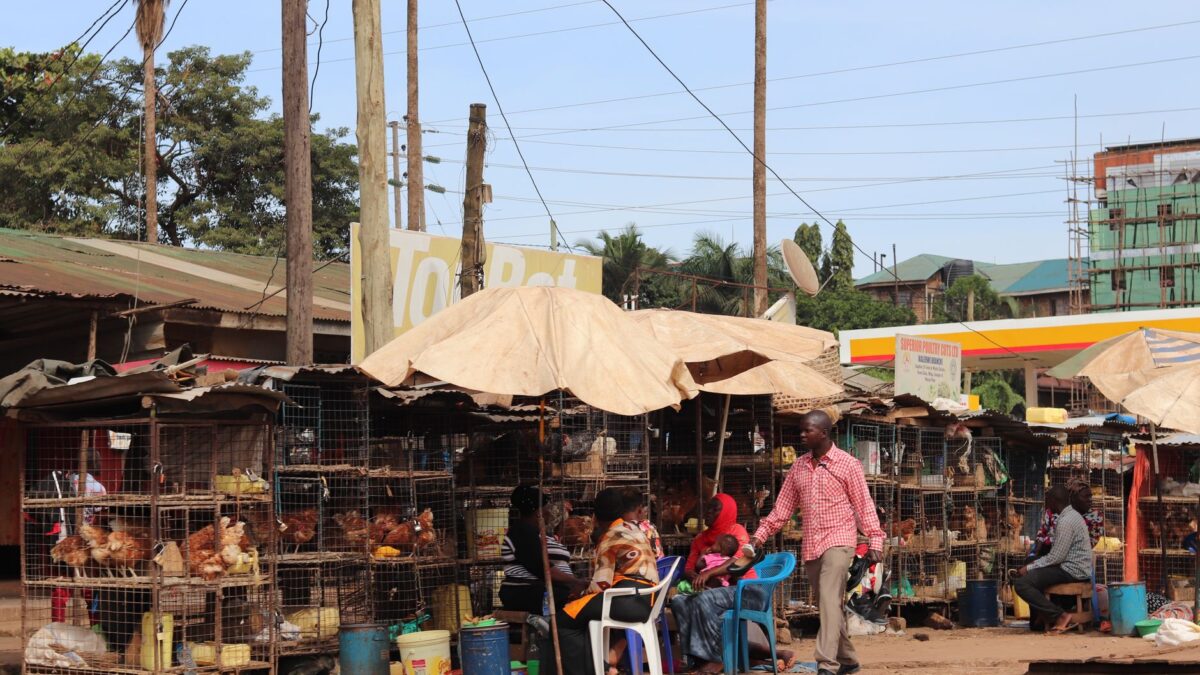
Imagine standing on the edge of Nairobi National Park at dusk. The skyline of skyscrapers glows behind you, but in front, a herd of giraffes silhouettes against the burning orange sun. This is the Kenya that waits for you: wild, warm, and deeply human. But before you can fully embrace the rhythm of the tuambie pole pole (come slowly), you need to understand the unspoken rules that keep this ‘Green City in the Sun’ running smoothly. Etiquette here isn’t about stiff formality; it’s about respect, connection, and knowing how to navigate a city that moves at the speed of a matatu.
The Art of the Greeting: More Than Just ‘Hello’
In Kenya, skipping the greeting is like arriving at a party without bringing a gift—it sends the wrong message. Whether you are entering a shop in Westlands or stepping off a bus in Kilimani, always greet first. A simple ‘Habari?‘ (How are you?) followed by ‘Nzuri‘ (Good) goes a long way. In more formal settings or when meeting elders, use titles like ‘Mr.’ or ‘Mrs.’ until invited to use first names. Handshakes are standard, often firm but brief. If you are visiting a home, removing your shoes before entering is a sign of deep respect, especially in Muslim communities or traditional households.
When you meet someone, make eye contact and smile. Kenyans value personal connection over transactional efficiency. If you are rushing into a request immediately after saying hello, you may seem rude. Take thirty seconds to ask about their family or their day. This small investment of time builds trust, which is the currency of Kenyan business and social life.
Dining Like a Local: Hands, Heat, and Hospitality
Kenyan food is an experience of community. You will likely be served ugali (a dense maize meal) with sukuma wiki (collard greens) or nyama choma (roast meat). Here is the golden rule: eat with your right hand only. It is considered polite and traditional to tear off a small piece of ugali, scoop up the stew or meat, and pop it into your mouth. Using utensils is fine in upscale restaurants in Karen or Gigiri, but in local vibandas (street stalls), hands are the norm. If you are unsure, watch what your host does and follow suit.
Tipping is appreciated but not always mandatory. In mid-range restaurants where a main course might cost around KES 1,500–3,000 ($17), leaving 5-10% is a kind gesture for good service. For street vendors selling roast maize or coffee, rounding up the change is sufficient. When dining, never refuse hospitality outright. If offered tea (chai) or water, accept it. Refusing can be seen as rejecting the person’s kindness. And remember, nyama choma is best shared. If you are eating with locals, wait for the eldest or the host to start before you begin.
Dress Code: Respect for Climate and Culture
Nairobi’s weather is famously mild, ranging from cool mornings (around 14°C) to warm afternoons (up to 28°C). Dressing appropriately means layering. However, modesty is key, especially outside the cosmopolitan hubs of Westlands and Kilimani. Avoid overly revealing clothing in public spaces, markets, or religious sites. Shoulders and knees should generally be covered when visiting churches, mosques, or rural areas.
In the city center, smart-casual is the default. Jeans and a clean shirt work well for most occasions. If you are heading to a high-end club in Westlands or a dinner at a place like The Carnivore Restaurant, dress up slightly—smart trousers or dresses are expected. Remember, Nairobi is a conservative society in many ways. Flashing expensive jewelry or electronics in the CBD or on matatus can attract unwanted attention. Keep valuables hidden and your demeanor humble.
The Matatu Maze and Street Smarts
Getting around Nairobi requires a bit of courage and common sense. The matatu system is the lifeblood of the city, but it operates on its own chaotic logic. There is no unified transit card anymore; you pay cash or use M-PESA till numbers displayed inside. Always agree on the fare before boarding if it is not a fixed route, though most have set prices (KES 30–100 depending on distance). Sit towards the middle or back if you are new; the front seats are often reserved for regulars or conductors.
Safety is a real concern. While neighborhoods like Karen, Lavington, and Gigiri are secure and leafy, the CBD and informal settlements require vigilance. Snatch theft is common, so keep your phone in an inside pocket. After dark, do not walk alone. Use ride-hailing apps like Uber or Bolt, which are reliable and cost-effective (a short ride within central Nairobi might run KES 350–700, roughly $4). If you see roadworks on major arteries like Waiyaki Way or Mombasa Road, expect delays; these are ongoing efforts to prepare for the rains, and patience is part of the journey.
Small Customs That Matter
Kenya is a mobile-first nation. Almost everyone uses M-PESA, the mobile money service by Safaricom. Cash is becoming less common, even for small purchases like a loaf of bread (about KES 71) or a cup of coffee. Carry some small denominations of cash for emergencies, but rely on your phone for daily transactions. It is also polite to ask permission before taking photos of people, especially in rural areas or markets. A smile and a gesture toward your camera usually suffices.
Time is fluid. If you are invited to a house party, arriving 30 minutes to an hour late is often acceptable and sometimes expected. However, for business meetings or guided tours, punctuality is respected. Finally, learn a few words of Swahili. Saying ‘Tafadhali‘ (please) and ‘Ahsante sana‘ (thank you very much) shows that you are making an effort to engage with the culture, not just observe it. These small gestures open doors and hearts in ways that perfect English never could.
Frequently asked questions
Is tipping expected in Kenya?
Tipping is appreciated but not strictly mandatory. In mid-range restaurants, leaving 5-10% is customary. For street vendors or matatu drivers, rounding up the fare is a kind gesture.
What should I wear in Nairobi?
Dress modestly, covering shoulders and knees, especially outside upscale areas like Westlands. Layer for the variable climate, which ranges from 14°C to 28°C. Smart-casual is suitable for most city venues.
How do I pay for things in Kenya?
M-PESA mobile money is the primary payment method for almost everything. Carry small amounts of cash for emergencies or street vendors, but rely on your phone for daily transactions.
Is it safe to use matatus in Nairobi?
Matatus are the main transport but require caution. Agree on fares beforehand, avoid displaying valuables, and prefer ride-hailing apps like Uber or Bolt after dark for safety.
Do I need to remove my shoes indoors?
Yes, it is a sign of respect to remove shoes before entering homes, especially in traditional households or Muslim communities. Watch your host to gauge the expectation.


