

Kenya in September 2026: what travelers should know now
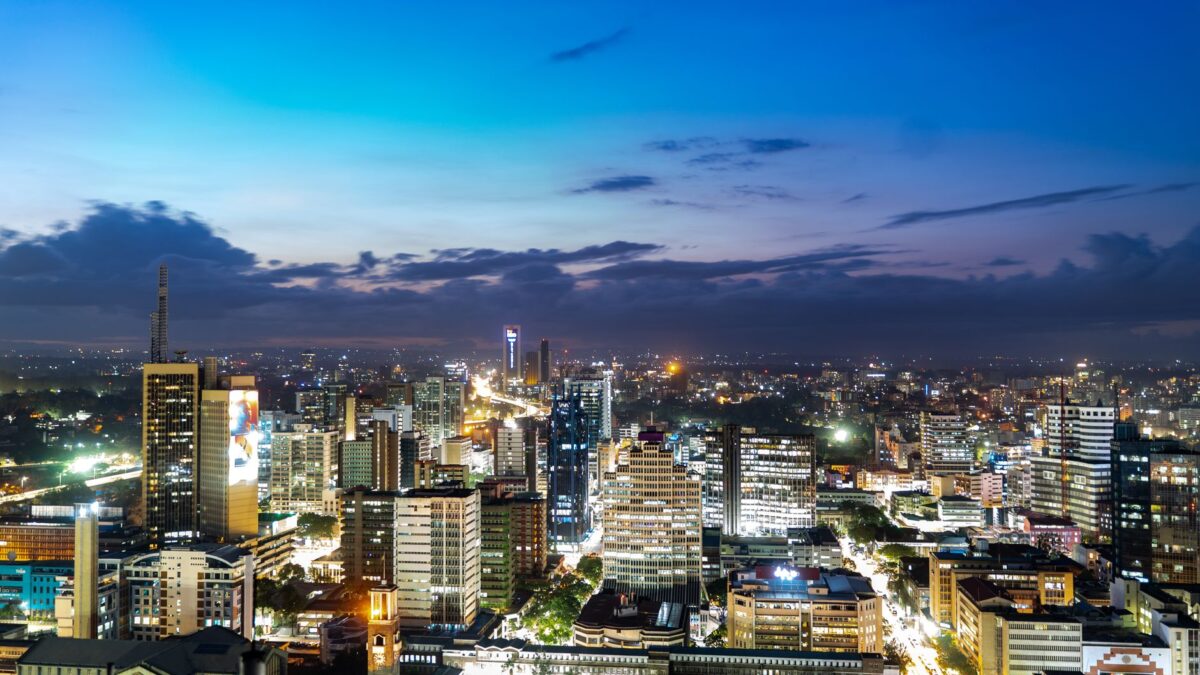
The air in Nairobi has that specific, dusty crispness that signals the end of the long dry season. As I write this on a Tuesday morning in mid-September, the sky is a pale, bright blue, and the jacarandas are still holding their green leaves, waiting for the rains to turn them purple later this month. For travelers arriving now, you are catching the city at a quiet, transitional moment. The heat is manageable—cool enough for a light jacket in the evenings, but warm enough for short sleeves during the day. It is a time when the city feels less frantic than in the peak holiday months, yet there is a palpable energy in the streets as we brace for the short rains.
Weather: What to Pack and Expect
Nairobi’s weather in September is deceptively mild. Today, the forecast shows temperatures hovering between 14°C and 22°C, with a light drizzle expected over nine hours. This is typical for mid-September: bright, breezy days that can turn damp by late afternoon. You are visiting during the tail end of the cool-and-dusty season, which means mornings are often clear and sunny, perfect for walking around Uhuru Park or Karen, while afternoons can bring sudden showers.
Pack layers. A light sweater or windbreaker is essential for those early morning game drives or evening dinners in Westlands where the temperature drops quickly. While it is not the rainy season yet, the city is already staging multi-agency preparations for the El Niño spell expected from October. Drainage digging and unclogging works are currently under way along Mombasa Road and other flood hotspots. If you are driving, expect some delays as City Hall and road agencies work to prevent future flooding. A compact umbrella is wise, though you likely won’t need it until next month.
Current Events: Politics, Health, and Nightlife
There is a lot happening in Nairobi right now. If you are here for business or curiosity, the political mood is active. Just last week, thousands marched through central Nairobi for the Linda Mwananchi opposition rally led by Senator Edwin Sifuna. While the CBD is generally safe for tourists during the day, be aware that large demonstrations can disrupt traffic and access to certain areas. Police have tried to restrict such events outside the Central Business District (CBD), so if you are near All Saints Cathedral or Gikomba, keep an eye on local news updates.
For medical professionals or health enthusiasts, the World Health Expo Nairobi (WHX) is taking over the Kenyatta International Convention Centre (KICC) this week, from September 16–18. With over 200 medical exhibitors and thousands of delegates, registration is free, making it a significant hub of activity in the city center. On the entertainment side, the nightlife scene is heating up. Jägermeister’s Haus of Kühl makes its first East African appearance on September 26 at Sk8City in Diamond Plaza 2, featuring a silent disco and over 36 Kenyan acts. It’s a good sign that the creative sector is thriving despite economic headwinds.
However, visitors should be aware of ongoing social tensions. Kenya’s crackdown on foreign nationals running petty trade has been unsettling migrant communities since early September. Burundians, Ethiopians, and Eritreans are reportedly shutting shops or queueing at embassies following a September 7 deadline. While this does not directly impact most tourists, it creates a somber atmosphere in certain trading areas, and travelers are advised to remain respectful and discreet in these neighborhoods.
Costs and Living: The Middle-Class Squeeze
Nairobi remains relatively affordable for Western travelers, but locals are feeling the pinch. A meal at an inexpensive local spot (a vibanda) will cost you about KES 150–300 (≈ $1.7), while a plate of nyama choma at a market grill joint might run KES 500–1,500 (≈ $7). That big plate of roast beef can cost less than a London coffee. Yet, rents have climbed sharply; a modest one-bedroom flat in areas like South B or Donholm now averages KES 20,000–35,000 (≈ $205) per month, up from previous years.
For accommodation, mid-range hotels and guesthouses typically charge KES 10,000–20,000 (≈ $110) per night. If you prefer the convenience of ride-hailing, an Uber or Bolt ride across town, say from the CBD to Westlands, costs around KES 350–700 (≈ $4). Public transport via matatus is even cheaper, with fares ranging from KES 30–100 (≈ $0.5), but as a newcomer, I recommend using Uber or Bolt for reliability and safety, especially at night. Coffee lovers will find a cup at a chain cafe like Cafe AMKA or Barista & Co. costing KES 250–350 (≈ $2.2).
Practical Tips for September Arrivals
If you are traveling soon, ensure you have your Electronic Travel Authorization (eTA) sorted before you fly. Kenya scrapped visas-on-arrival; almost all foreign visitors must obtain an eTA online via etakenya.go.ke for about USD 30–34. Apply at least 1–2 weeks early to avoid delays. If you are from South Africa, Ghana, Malaysia, or Singapore, you may qualify for visa-free entry, so check the 2025 regulations carefully.
Once you land, get a SIM card immediately. Safaricom is the dominant network and the home of M-PESA, the mobile money system that is the de facto way to pay for everything in Kenya. You will need to register in person with your passport. For banking, Equity Bank and KCB are widely used, and almost everyone pairs a bank account with M-PESA. Safety-wise, Nairobi is safe in hubs like Westlands, Kilimani, Gigiri, and Karen during the day. However, crime like snatch theft is real in the CBD and informal areas like Kibera, especially after dark. Use ride-hailing rather than walking at night, and keep valuables hidden.
Finally, take advantage of the green spaces. Central Park has recently reopened after rehabilitation, restoring walkways in the heart of the CBD alongside Uhuru Park. It’s a perfect spot for a morning jog or a quiet read. As the rains approach in October, this is your window to enjoy the city’s famous national parks and outdoor cafes without the mud and heavy downpours. Enjoy Nairobi while it is dry, cool, and buzzing with pre-rain energy.
Frequently asked questions
Do I need a visa for Kenya in September 2026?
Yes, almost all foreign visitors must obtain an Electronic Travel Authorization (eTA) online before travel via etakenya.go.ke. It costs about USD 30–34 and takes roughly 72 hours to process. Apply 1–2 weeks before your trip.
What is the weather like in Nairobi this month?
Mid-September is cool and dry, with temperatures between 14°C and 22°C. Expect bright days and occasional light drizzles. Pack layers, as evenings can get chilly, but it is not yet the rainy season.
Is it safe to visit Nairobi's CBD right now?
The CBD is generally safe during daylight hours, but crime such as pickpocketing is common. After dark, use ride-hailing services like Uber or Bolt rather than walking. Be aware of potential traffic disruptions due to recent political rallies and drainage works.
How much does food cost in Nairobi?
Local meals at vibandas (street stalls) cost around KES 150–300 (≈ $1.7). Mid-range restaurants charge KES 1,500–3,000 (≈ $17) for a main and drink. Nyama choma at market grills is approximately KES 500–1,500 (≈ $7).


