

Latvia etiquette: the dos and don’ts
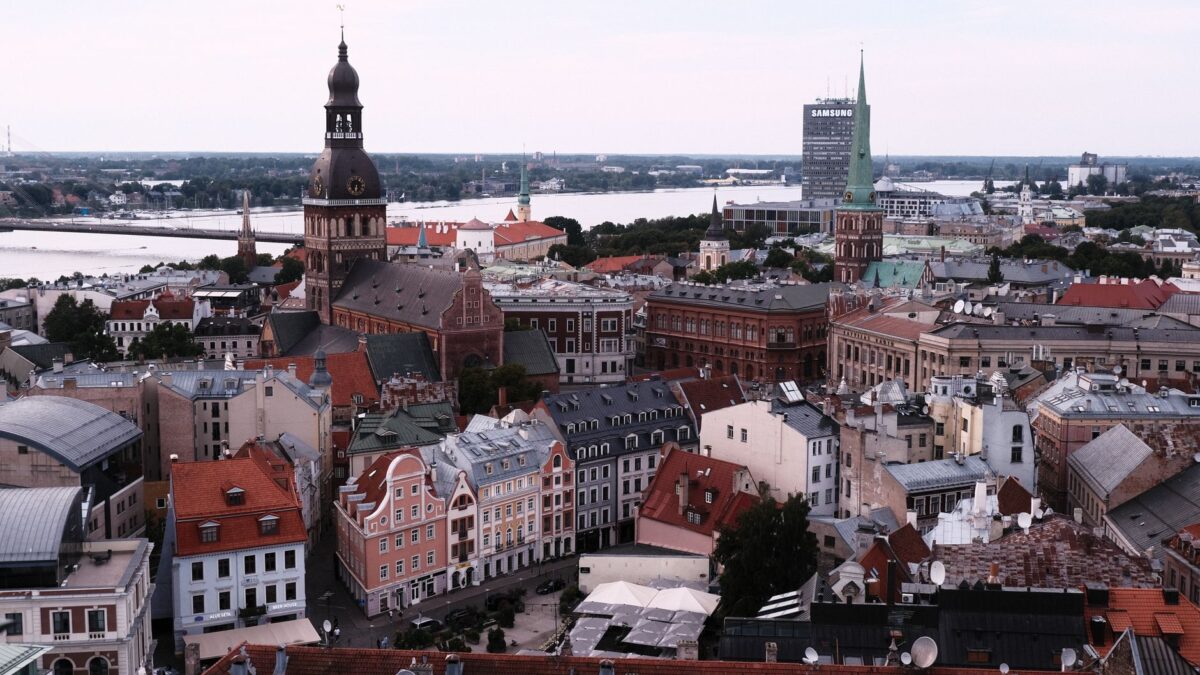
August in Riga smells like ripe blackcurrants and diesel from a hundred-year-old tram grinding past Art Nouveau facades. The city is hoisting banners for its 825th birthday — stages going up on the 11 November Embankment, the Old Town’s cobblestones slick with spilled beer, and a Red Bull Formula 1 car strapped to a tram platform rattling through Imanta like a spaceship from another age. You’ve landed in the middle of it all, and you want to do it right. Latvians are warm once you crack the shell, but that shell has rules. Here’s how to move through this city without stepping on its history, its pride, or its quiet reserve.
Greetings: The Art of the Firm Nod
Latvians don’t do the air-kiss. They don’t do the bear hug. When you meet someone, you offer a firm handshake, look them in the eye, and say “Sveiki!” (hello) or “Labdien!” (good day). If you’re feeling brave, try “Kā jums klājas?” — “how are you?” — but don’t expect a detailed answer. “Labi” (good) is usually all you’ll get before the conversation moves to the weather or the price of rye bread. Titles matter here. Use “kungs” (Mr.) and “kundze” (Mrs.) with surnames until invited otherwise. And for heaven’s sake, learn to pronounce “jūs” (you, formal) — using the informal “tu” with a stranger is like cracking a walnut with a sledgehammer. Wait for the invitation.
Personal space is a national treasure. Arguing with a Rigan on a crowded tram is part of the experience, but on the street, keep a respectful arm’s length. Don’t touch, don’t pat shoulders, don’t lean in to whisper. If you’re invited to someone’s home (a rare honour), bring flowers — an odd number, always. Even numbers are for funerals. And avoid yellow roses; they carry a whiff of a secret message you don’t want to send.
Dining Manners: From Grey Peas to Lido
Riga’s dining scene has a rhythm: coffee and pastry in the morning, a long lunch at a bistro, and a supper that stretches into the evening. When you sit down at a place like Pētergailis in the Old Town or the no-fuss Street Fries Kitchen, you’ll find that service is efficient but not effusive. That’s not rudeness; it’s professionalism. Wait to be seated — don’t just grab a table. And when the bill comes, it’s almost always pay-at-the-counter for casual spots. You’ll get a receipt, and you can settle in cash or card (euros, EUR, by the way — about 0.92 to the US dollar, so your money goes further than you’d think).
Tipping: it’s not mandatory, but it’s appreciated. A 5–10% tip for good service is standard, and locals often round up to the nearest euro. At a mid-range restaurant where a main course runs around €14–24, that’s a couple of euros. In a bistro where a meal is about €8–10, leave a coin or two. If you pay by card, ask to include the tip before the terminal — you can’t add it after. And never tip at a market stall. That’s not a thing. Buy your lunch at the Riga Central Market, where the food hall serves up hearty plates for about €6–9 — try the grey peas with bacon (pelēkie zirņi ar speķi) for €5–7, or a pork cutlet with potatoes for about €5–6.
Table manners lean Continental. Fork in the left hand, knife in the right, don’t rest your elbows on the table. When you’re done, place your knife and fork parallel on the plate. Latvians don’t slurp soup or crunch bread theatrically. And bread — rye bread, dark and dense — is a staple. Break it with your hands, never cut it with a knife. If you’re offered a refill of a drink, accept it; declining can feel like a rejection of hospitality. But don’t pour your own drink unless you’re the host. And the last drop in the bottle? It’s yours only if you offer it first.
Dress: Layers, Rain, and the Art Nouveau Aesthetic
Riga in mid-August is a study in layering. The forecast says 15–22°C, overcast, with daylight until 21:09 — that means mornings are cool, afternoons can be warm, and the evenings carry a Baltic chill. You’ll see locals in light linen at noon and in denim jackets by eight. The trick is to bring a jacket you can tie around your waist. The dress code is smart-casual with a design-leaning edge. Riga is an Art Nouveau city — it produces architects, graphic designers, and a lot of people who look like they stepped out of an album cover. You don’t need a suit, but you’ll stand out if you wear flip-flops and a fanny pack. For the theatre, the opera, or a concert at Riga Cathedral (the one with the 1884 organ), men wear jackets, women wear dresses or elegant separates. For a day at the Ethnographic Open-Air Museum or the Central Market, plain jeans and a t-shirt are fine. But if you’re heading to the 825th-birthday main show on the embankment or the Red Bull Showrun on Eksporta Street (closing traffic from 11 to 16 August, with the big event on the 15th), dress for standing on your feet in a crowd — and bring a bright jacket so your friends can spot you.
One more thing: as a visitor, you’ll walk miles on cobblestones in the Old Town, so flat shoes are your best friend. And yes, you’ll see the odd tourist trotting in heels past the House of the Blackheads. You don’t want to be that person.
Small Customs That Matter: Cheers, Flowers, and Quiet Respect
Latvians are a reserved people, but they’re not cold. They just save their emotion for the right moment. When you toast — and you will toast, if you end up in a tavern like Ala Pagrabs or Baltā Kaza — look everyone in the eye, say “Priekā!” (cheers!), and clink glasses. Never toast with water; that’s for the dead. And if someone offers you a shot of Riga Black Balsam, that tar-like herbal liqueur, take it with a smile. It’s a rite of passage, and it’s about €2.50 for a half-litre of local beer anyway. You’ll taste the difference.
If you’re here on a Sunday, you might notice a sombre mood. Latvia carries a memory of occupation and loss, and on certain days (like the Day of Remembrance for Victims of Stalinism and Nazism on 23 August, just days after your visit), you’ll see candles and flowers at the Freedom Monument. Approach it with quiet respect. Don’t climb it, don’t climb on it, and don’t use the base as a photo prop. This monument is the symbolic heart of independence. Treat it like you would a war memorial in your own country.
When you enter a church — and you’ll pass many, like St. Peter’s with its elevator tower and a 360° panorama — remove your hat, silence your phone, and speak softly. In the Museums of Occupation or the Corner House (the former KGB headquarters on Brīvības iela), the history is raw. Photography is allowed in some areas, but check signs. And never, ever joke about the Soviet era. You’ll see older Latvians with a faraway look; you might hear a story you didn’t expect. Listen.
Transport, Tipping, and the Unspoken Rules of the Tram
Riga’s public transport is efficient and absurdly cheap. A single 90-minute e-ticket costs €1.50 if you buy it from a ticket machine, or €2.00 if you buy from the driver — so have coins ready. A monthly pass is €30. On a tram, the etiquette is simple: let people off before you board, offer your seat to the elderly and pregnant (it’s expected, and the young will silently judge you if you don’t), and don’t talk loudly on your phone. Latvians value quiet in public spaces. You’ll notice it in the library, on the bus, even in a café like Parunāsim kafīteeka — conversations are measured.
If you’re driving, note the traffic restrictions for the city’s birthday: 11 November Embankment and Old Riga were shut from 11 August. Watch for the Red Bull Showrun’s road closures — parked cars in banned zones get towed, and trust me, you don’t want to figure out where your rental ended up. On the 15th and 16th, public transport is free and municipal parking is free — a lovely municipal gift. Use the tram to see the F1 car on its platform (scheduled through Imanta, Jugla, Mežaparks and Ķengarags) — it’s a surreal sight, a piece of Formula 1 history rattling through a pine-forest suburb.
Festivals, Crowds, and a Final Word
You’re arriving during the city’s biggest party of the decade. The 825th birthday has drawn crowds, and you’ll find stages everywhere. But remember the festival etiquette: don’t barge through a crowd with your elbows out; say “Atvainojiet” (excuse me) as you squeeze by. At the International Sacred Music Festival (opening 14 August with a world premiere at St. Peter’s, then concerts at the Cathedral), dress with extra respect — these are concerts, not picnics.
And if you meet a Rigan in the queue for a coffee at Rocket Bean Roastery, ask them about the Song and Dance Festival, the UNESCO-listed tradition held in Mežaparks. You’ll see a glint of pride in their eye. That’s the key to Latvia: it lives in quiet, held-in layers. Respect the reserve, and you’ll be let in.
Paldies (thank you) — and enjoy every minute.
Frequently asked questions
Do I need to tip in Latvia?
Tipping is not mandatory but appreciated. A 5-10% tip is standard for good service at restaurants; round up at cafés and bars. You can tip by card if you tell the server before the payment terminal processes.
What should I wear in Riga in August?
Layers are key: temperatures around 15-22°C, overcast. Bring a light jacket for evenings. Smart-casual is fine for most restaurants; dress more formally for opera or concerts at Riga Cathedral. Avoid flip-flops and fanny packs to fit in.
Is it rude to not speak Latvian?
No, but learning a few words like 'sveiki' (hello) and 'paldies' (thank you) is appreciated. Most people in Riga speak English, especially the younger generation. Use formal 'jūs' until invited to use 'tu'.
What are the public transport costs and etiquette?
A single 90-minute e-ticket is €1.50 (€2.00 from the driver), and a monthly pass is €30. Let passengers off before boarding, offer seats to elderly and pregnant, and keep phone conversations quiet.
Are there any taboos around Latvian history or monuments?
Yes. Don't climb or disrespect the Freedom Monument – it's a symbol of independence. Avoid joking about the Soviet era, and be respectful at remembrances like the Day of Remembrance for Victims of Stalinism and Nazism on August 23.


