

Latvia in September 2026: what travelers should know now
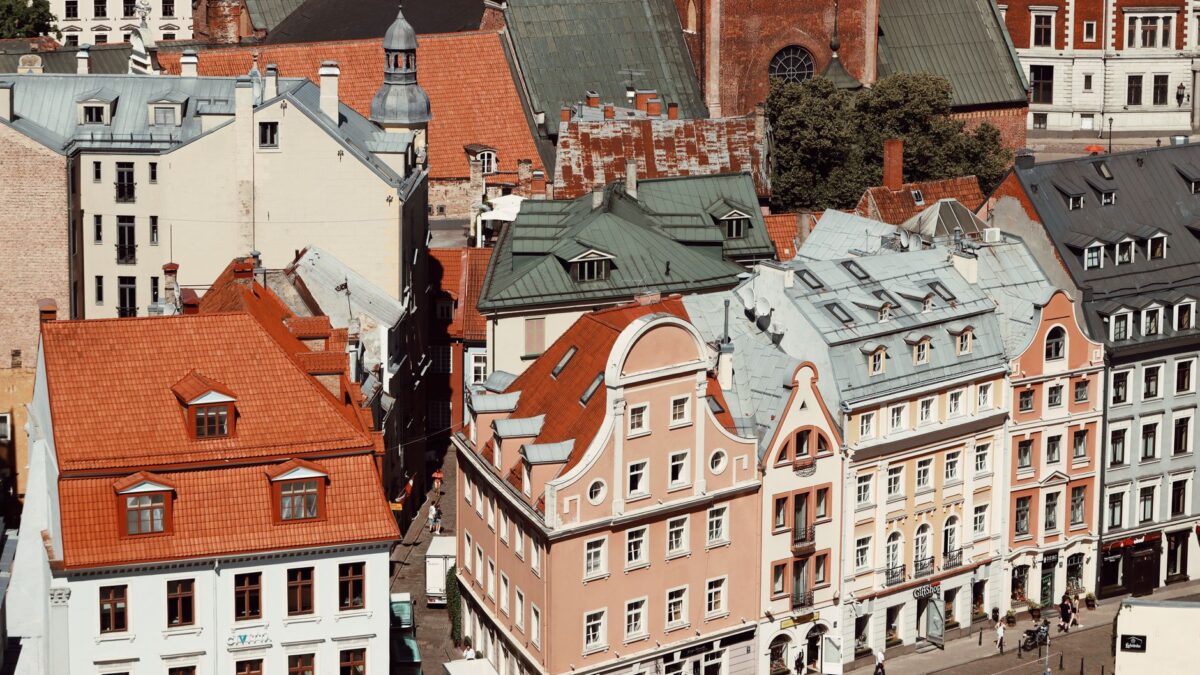
The crispness in the air is unmistakable. As I step out of my apartment on a Tuesday morning, the humidity of August has vanished, replaced by that distinct, sharp chill that signals Riga’s true autumn has arrived. It is September 2026, and the city is in a state of beautiful transition. The summer crowds have thinned, the light has turned golden and low, and the rhythm of life has shifted from beach lounging to cozy cafes and cultural immersion. If you are planning to visit Latvia this month, you are catching the city at its most atmospheric—and its most active.
Weather and Packing: Embrace the Layers
Right now, as of early September 2026, the weather is holding steady but cooling down. Expect temperatures hovering between 15°C and 21°C (roughly 59°F–70°F). It is not uncommon to experience a light drizzle, especially if you are wandering through the cobblestones of Vecrīga or along the Daugava embankment. The daylight hours are still generous, stretching from sunrise at 06:28 to sunset around 20:18, giving you plenty of time for exploration before the evenings turn brisk.
Your packing list should prioritize layers over heavy winter gear. A waterproof jacket is essential, not just for rain but for the wind that picks up near the sea. Bring comfortable walking shoes with good grip; wet cobblestones can be slippery. In the evenings, a warm sweater or light coat will be necessary, particularly if you plan to attend outdoor events. The locals here know how to dress for the shift—think stylish woolens mixed with practical rain protection. You will feel right at home if you adopt this pragmatic yet chic approach.
Festivals and Cultural Events: The Autumn Kickoff
This is arguably the best time to visit if you love culture. While the late-summer beer festivals are winding down, the city’s intellectual and artistic calendar is kicking into high gear. You cannot miss HOPS Rīga, which takes over Esplanāde park from 3–6 September. It is the city’s official season-closing event, featuring over 20 Latvian breweries, live music, and even the Latvian Strongman Championship. Entry is free, making it a perfect evening stroll.
Following that, the city transforms for the White Night (Baltā nakts) on the night of 5–6 September. The entire city centre stays open overnight with 30 free concerts, installations, and performances. Keep an eye out for the beaver-themed installation on Independence Square beside the National Art Museum—a whimsical touch that captures our love for nature. Simultaneously, the Homo Novus contemporary-theatre festival runs from 4–12 September, offering about 20 performances focused on rest and slowness across Riga and the Daugava region. For art enthusiasts, the Survival Kit international contemporary-art festival opens its season throughout September, inhabiting empty buildings across the city. It is a fascinating look at how we repurpose urban space.
Public Transport Changes and Street Closures
If you are relying on trams, buses, or trolleybuses, you need to be aware of immediate changes. On 1 September, Rīgas satiksme switched to autumn timetables, which affects routes like tram 1, bus 3, and trolleybuses 4 and 17. Frequencies may vary slightly, so check the app before you head out.
More critically, there are significant street closures impacting central routes. Dzirnavu Street is blocked to traffic until 15 September for the construction of a new bike lane. Additionally, the 11. novembra krastmala embankment is restricted until 30 September due to work on the new Centre–Dārziņi cycle route. From 7 September, expect lane narrowing on Krīšjāņa Valdemāra street as storm drains are repaired in six staged sections. These are not inconveniences but investments in a greener city; however, they do mean you should allow extra travel time and consider using the Mobilly app or your Citadele bank card for seamless ticketing rather than hunting for physical tickets.
Holidays and Seasonal Atmosphere
You may notice a quiet buzz in the schools and shops. Yesterday, 1 September, was Knowledge Day (Zinību diena), marking the start of the school year. The city feels slightly more structured now, less chaotic than the summer tourist rush. Looking ahead, Father’s Day (Tēva diena) falls on 13 September, and while it is not a public holiday with widespread closures, it is a lovely day to see families gathering in parks. Later, on 22 September, we celebrate Baltic Unity Day (Baltu vienības diena), commemorating our shared history with Estonia and Lithuania. It is a poignant reminder of our regional ties.
Seasonally, the markets are filling up. Head to the Riga Central Market or Āgenskalns Market to see the first local apples, lingonberries, and fresh mushrooms. This is the time when the culinary scene shifts toward heartier, comfort foods. Prices remain reasonable compared to Western Europe—a meal at an inexpensive bistro costs about €8–10, and a main course at a mid-range restaurant runs €14–24. A cup of coffee is around €2.50–2.60, and a half-litre of local beer in a bar is roughly €2.50. For a true local experience, try the grey peas with bacon (pelēkie zirņi ar speķi) at a typical tavern for €5–7, or grab a hearty plate at Lido for €5–6.
Practical Tips for Arriving Now
Riga remains one of the more affordable EU capitals, though rents and food prices are creeping up with inflation around 3.7%. If you are staying longer, note that monthly rent for a modest one-bedroom flat in the centre is approximately €450–500, while outside the centre it drops to €300–400.
Visa-wise, Latvia is in the Schengen Area. US, UK, Canadian, Australian, and Japanese nationals can enter visa-free for up to 90 days in any 180-day period. If you are planning to stay longer for work or study, you will need to apply for a national visa or residence permit through the PMLP (Office of Citizenship and Migration Affairs).
Safety is generally high; Riga is a low-crime city. However, keep an eye on your belongings in the Old Town, Central Market, and on crowded trams. Pickpocketing is the main risk, especially in the nightlife area around Līvu Square late at night. Use reputable taxis or ride-sharing apps if you are out late.
Finally, take advantage of the light. Walk along the Alberta iela in the Art Nouveau district or cross the Daugava to the National Library of Latvia (the “Castle of Light”) for a panoramic view. The city is waking up from its summer nap, ready to offer you a deeper, more authentic connection to Latvian culture. Welcome to Riga in September—it is a wonderful time to be here.
Frequently asked questions
What major festivals are happening in Riga in early September 2026?
HOPS Rīga (3–6 Sept) offers free entry with beer and strongmen competitions. White Night (5–6 Sept) features 30 free overnight cultural events, and Homo Novus theatre runs from 4–12 Sept.
Are there any public transport strikes or major route closures in September 2026?
Autumn timetables started on 1 Sept. Key closures include Dzirnavu St until 15 Sept and the 11. novembra krastmala embankment until 30 Sept. Check the Mobilly app for real-time updates.
How much does a meal cost in Riga in September 2026?
An inexpensive meal is about €8–10. A mid-range main course is €14–24. Local staples like grey peas with bacon cost €5–7, and a half-litre of beer is around €2.50.
Do I need a visa to visit Latvia in September 2026?
US, UK, CA, AU, and JP citizens can enter visa-free for tourism up to 90 days within any 180-day period under Schengen rules. Longer stays require a national visa via PMLP.
What is the weather like in Riga during early September?
Expect 15–21°C with possible light drizzle. Days are long (sunrise ~06:28, sunset ~20:18), but evenings are crisp. Pack layers and a waterproof jacket.


