
Lithuania etiquette: the dos and don’ts
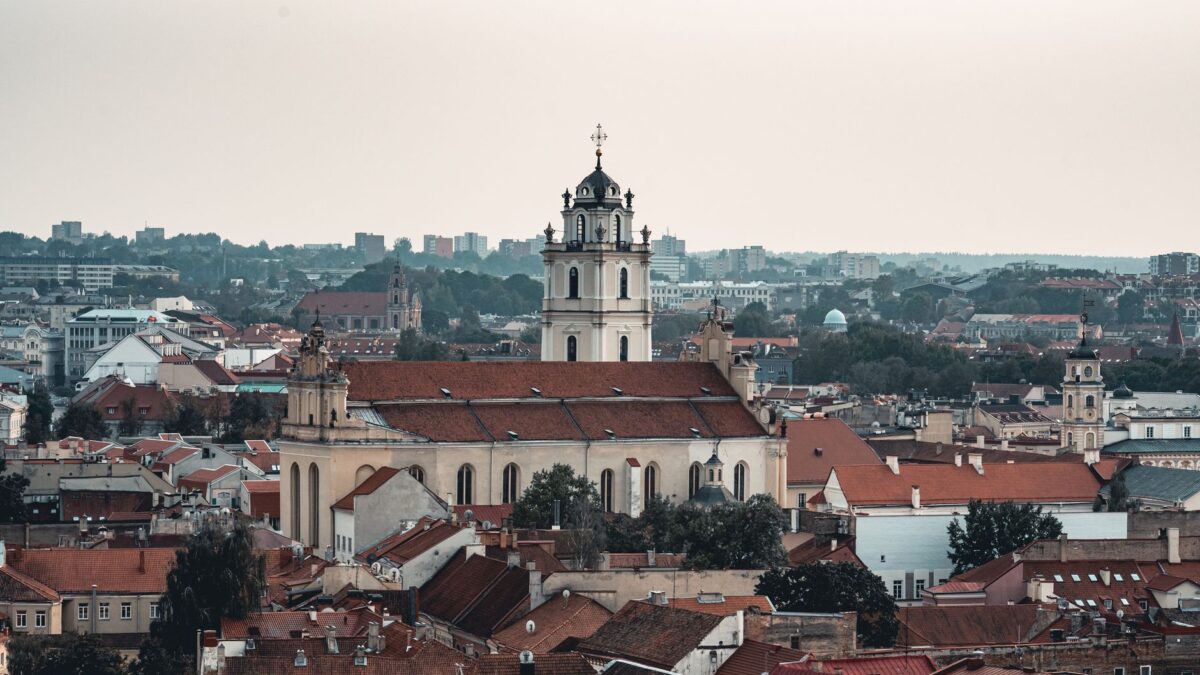
The last Friday of Vilnius summer hits different. You’re standing in the cobbled courtyard of the Gate of Dawn, the late-afternoon light buttering the old bricks, and from the open gallery windows above, a pipe organ is pouring Bach into the street. A woman beside you nods, smiles, and says “Labas”—not because she knows you, but because that’s what you do here. You’re not a tourist in that moment. You’re a guest.
That’s the secret to Lithuania: it’s a small country with big manners, and locals will warm to you instantly if you respect a few quiet codes. I’ve lived here my whole life, and I’ve watched visitors stumble—or soar—on these simple customs. So let’s walk through the dos and don’ts of being a considerate guest in Vilnius, from the first “labas” to the last toast.
Greetings: The power of “Labas” and the firm handshake
Start with “Labas”—the all-purpose hello. It’s informal but universal; you can say it to a shopkeeper, a bartender, or a grandpa on the bus and get a smile. For a more respectful “good day,” use “Laba diena” (LAH-bah DEE-nah). And if you really want to impress, add “ačiū” (AH-choo) for thank you—it’s the single most appreciated word you’ll say.
When meeting someone, expect a firm, direct handshake with eye contact. Lithuanians value sincerity; a limp handshake reads as untrustworthy. Among friends, a kiss on the cheek (often both cheeks) is common, but don’t initiate it unless they do. Use first names after you’ve been introduced, but if you’re meeting someone older or in a formal setting, use “ponas” (Mr.) and “ponia” (Mrs.) until invited otherwise.
One don’t: don’t wave at someone from across the street to get their attention—that’s for emergencies. And never, ever call out “Hey, you!”—it’s rude. A simple nod and “Laba diena” is enough.
Tipping: Round up, don’t do math
Lithuania isn’t a big tipping culture, but it’s appreciated for good service. In restaurants, round up to the nearest euro or leave 5–10% if the service was warm. A 10% tip is generous, and you’ll usually see “service included” on the bill—if so, no need to add more. For a €6–9 dienos pietūs (daily lunch set), leaving €1 is a lovely gesture. In bars, rounding up your €4–6 craft beer to the nearest euro is fine. Taxi drivers and hairdressers don’t expect tips, but a “keep the change” is always met with a genuine smile.
Don’t tip with a flourish or make a show of it—it makes locals uncomfortable. Just leave the coins quietly on the table. And never tip the owner of a family-run place; it’s considered odd.
Dining manners: Cepelinai, toasts, and the “no” rule
You’ll likely be invited to a home—or to a tavern for cepelinai (those epic potato dumplings with meat inside, smothered in crackling sauce, €6–13). Here’s how to shine:
- Never start eating until the host says “Skanaus” (enjoy your meal) or raises a glass. Wait for the toast.
- Toasts are ritual. The host will say “Į sveikatą” (to health) and you’ll clink glasses, looking each person in the eye. Don’t cross arms or skip the eye contact—it’s considered unlucky.
- Drink when they drink, but you can sip slowly. You’ll often hear “Lietuva!” as a toast—raise your glass and echo it.
- Finish your plate. Leaving food is seen as wasteful. If you’re full, say “Labai skanu, bet aš pasisotinau” (very tasty, but I’m full) and the host will understand.
- Don’t ask for ketchup with your cepelinai—that’s sacrilege. The sour cream and fried cracklings are the only sauce you need.
- Take off your shoes at someone’s home unless they insist you keep them on. You’ll see a rack of shoes by the door—follow it.
In restaurants, it’s fine to split the bill, but if you’re the guest, expect the host to pay. And avoid ordering the cheapest bottle of wine to save face—locals respect a sincere choice, not a cheap one.
Dress: Smart-casual and the power of layers
Vilnius in late August is mild—13–20°C, overcast, with those long, light evenings. Dress in layers: a light jacket or cardigan over a tee, comfortable jeans or trousers, and sturdy walking shoes for the cobblestones of Pilies gatvė and the Užupis stairs. Locals dress smart-casual even for a coffee—clean, neat, no athletic shorts or flip-flops in the Old Town. For a nicer dinner at Etno Dvaras or Lokys, a collared shirt or a simple dress works perfectly; you don’t need a suit.
If you’re invited to the open-air concerts in Vingis Park (Jessica Shy plays Aug 28–29, with street closures and shuttle buses), bring a light rain layer—evenings cool down. And for the Sustainable Fashion Week events at the Town Hall or the young-designer runway on Rotušės aikštė on Aug 28, go one notch smarter: think “urban conscious,” not festival grunge. Don’t wear political symbols or logo-heavy sportswear; locals prefer understated quality.
Small customs that matter: Public transport, markets, and the miracle tile
Beyond the table, Lithuania lives by small unspoken rules that mark you as a considerate visitor:
- On buses and trolleybuses (now €1 for 30 min, €1.25 for 60 min via app or contactless—tap your card), always let passengers off before you board. Offer your seat to the elderly or pregnant—it’s non-negotiable. And don’t chew gum loudly or blast music; it’s seen as disrespectful.
- At the Halės turgus (the renovated 19th-century market), don’t be shy to sample a slice of cheese or a piece of rye bread—vendors love it—but don’t handle the produce with your hands; ask for a bag or use the provided tongs.
- Cathedral Square’s “Stebuklas” tile: It’s the spot where the 1989 Baltic Way began—that human chain of two million people. Stand on it, make a wish, but don’t climb on the statue or treat the square like a photo prop. This is a sacred civic space.
- When visiting the Museum of Occupations and Freedom Fights (the KGB Museum), keep a solemn tone. Don’t take selfies in the basement cells—it’s a memorial. Photos are fine in the main exhibits, but silence and respect are expected.
- In churches (like St. John’s, currently under roof repair with its gate closed), cover your shoulders and knees, and keep your voice to a whisper. If you see someone praying, don’t walk between them and the altar.
One more do: say “ačiū” to the bus driver when you exit. It’s a tiny thing that makes you a local.
Don’ts: The little landmines to avoid
Now, the don’ts—because I’ve seen visitors trip on these:
- Don’t assume “Lithuanian” is Russian. It’s a Baltic language, and locals deeply appreciate any attempt to speak it. If you try “Laba diena” and get a blank stare, they’re just surprised—not offended.
- Don’t bring up the Soviet era as a joke. Litvians will discuss history, but lightly—the KGB museum is a raw wound. Ask thoughtful questions, don’t make quips.
- Don’t point with your index finger at a person—it’s considered rude. If you must gesture, use an open palm.
- Don’t be loud in public. Vilnius is a quiet, contemplative city; you’ll notice people talk in low voices on the street. Save the boisterousness for the bar district around Vokiečių g.
- Don’t expect to pay less than €6 for lunch—the days of €3 soup are gone. Prices have risen, but a hearty dienos pietūs at €6–9 is still a steal.
- Don’t plan on visiting the Museum of Applied Arts and Design right now—it’s closed from Aug 25 to Sep 10 for a new permanent exhibition. Check the MO Museum (€8–16 entry) or the Palace of the Grand Dukes instead.
And if you’re here for the Vilnius Bachata Festival (Aug 27–31 at the Polish Theater), by all means dance—but respect your partner’s space. Personal space is generous in Lithuania; don’t crowd unless it’s a dance embrace.
Final thought: The gift of quiet dignity
Lithuanians are a proud, resilient people—they’ve survived and thrived. They don’t expect you to be perfect, but they notice when you try. A genuine “labas,” a clean plate, a respectful silence at a memorial—these are the keys to a real connection.
So go: climb Gediminas Tower for the panorama, wander Užupis and read its constitution, catch an organ concert at the Gate of Dawn gallery on your last evening. Take a photo of the storks on a pole as you leave town. But also—sit on a bench by the river, say “ačiū” to the passerby who held the door, and let Vilnius’s quiet soul talk to you. It does, if you listen.
Iki pasimatymo—see you again.
Frequently asked questions
What is the proper greeting in Lithuania?
Say 'Labas' informally or 'Laba diena' for good day, with a firm handshake and eye contact. Use 'ponas'/'ponia' for Mr./Mrs. in formal settings.
How much should I tip in Vilnius restaurants?
Tipping is modest—round up to the nearest euro or leave 5–10% for good service. For a €6–9 daily lunch, a €1 tip is appreciated. If service is included, no need to add more.
What should I wear to a nice dinner in Vilnius?
Smart-casual works everywhere: collared shirt or simple dress, comfortable shoes for cobblestones, and layers for cool evenings. No athletic shorts or flip-flops in the Old Town.
Is it rude to not finish your food in Lithuania?
Yes, leaving food is seen as wasteful. Try to finish your plate, or politely say 'Labai skanu, bet aš pasisotinau' (very tasty, but I'm full) to the host.
Can I take photos at the Museum of Occupations and Freedom Fights?
Photography is allowed in the main exhibits, but avoid selfies in the basement cells—it's a memorial space. Maintain a solemn and respectful tone throughout.
Things to do in Lithuania
 Hot air balloon flight Vilnius Trakai with Transfer and Shampagne
 Premium canoe tour at Curonian spit National Park (from Klaipeda)
 BIRDWATCH - Premium guided canoe tour at Cape Vente, Nemunas Delta Regional Park
 Dinner with a local family
 Wild Beach single handed Blokart Safari
 Guided Tour of KGB Museum in Vilnius (Museum of Occupation and Freedom Fights)