

Madagascar in September 2026: what travelers should know now
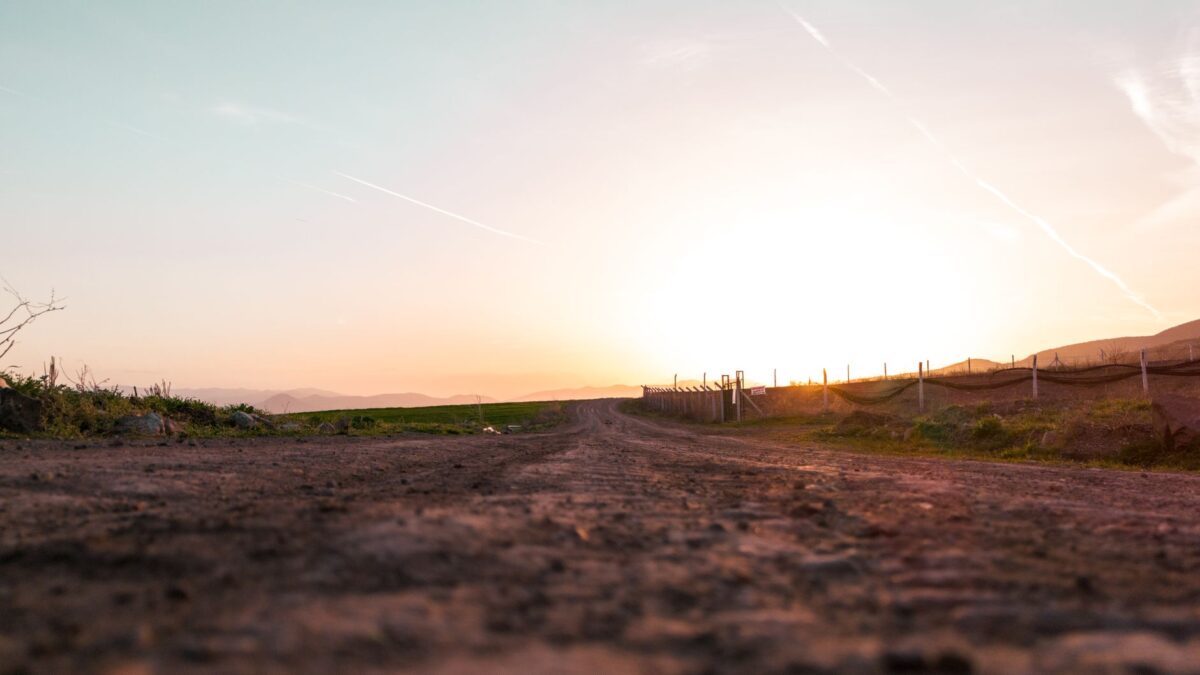
The morning air in Antananarivo hits you first—a crisp, hazy chill that clings to the cobblestones of the Haute-Ville before the sun has fully crested the hills. It is early September, and the city is holding its breath. The dry season is waning, leaving behind a landscape dusted with fine red earth and a skyline that feels sharper, clearer than it will be once the rains arrive in October. If you are arriving now, you are catching Tana at its most atmospheric: cool nights, bright days, and a pulse that is currently dominated by construction noise and urban energy.
Weather and What to Pack
As of today, September 6, 2026, the weather in Antananarivo is firmly in that brief, beautiful window between winter and spring. Expect daytime highs around 24°C (75°F) and overnight lows dropping to 11°C (52°F). The sky is often overcast or hazy, filtering the light into a soft, golden glow that makes photography easy but can make the streets feel dimmer earlier than you might expect.
Pack layers. A light jacket or sweater is essential for mornings and evenings, especially if you are heading up to the Rova or walking along the escarpment near Andohalo Cathedral. During the day, breathable fabrics work well, but be prepared for the dust kicked up by the city’s massive infrastructure projects. The air is drier now, so hydrate more than you think you need to. This is also the tail end of the ‘winter,’ meaning there is virtually zero chance of rain disrupting your plans this month, which is rare for this time of year.
Urban Flow Festival and Cultural Pulse
While the roads are noisy, the cultural scene is vibrant. The city centre is currently alive with the Urban Flow Festival, which kicked off on September 3 at the Antanimena Skate Park. This event has transformed the heart of Analakely into a hub for parkour, skateboarding, BMX, and 3×3 basketball. If you are in town this week, head to the forecourt of the Hôtel de Ville at Analakely to catch the national parkour championship and the ‘Urban Night’ events that started on September 5.
For music lovers, there is a specific local highlight this Sunday: the ‘NONO et ses fans – TAMBERINA’ concert at CCESCA in Antanimena. It is a popular afternoon show that draws a dedicated crowd, offering a glimpse into the contemporary Malagasy music scene beyond the traditional valiha and salegy sounds found in tourist zones.
The mood in the capital is one of cautious optimism mixed with civic engagement. There is significant discussion surrounding the recent legal challenges to judicial independence involving the anti-corruption magistrates (PAC), a topic widely debated in cafes from Isoraka to Ivandry. Engaging with locals on these matters requires sensitivity, but it offers a genuine window into the social fabric of modern Madagascar.
Navigating the Roadworks: PIAA2 Updates
This is the most critical practical advice for September 2026: expect traffic chaos. The PIAA2 project, a major sewer-and-water replacement initiative, is actively closing and narrowing roads across the central districts. As of today, Antanimena (from Stade Malacam to Petite Vitesse/Isotry), Mahamasina, Analakely, and routes toward Soarano are significantly impacted.
Specific closures to note:
- Rue Rakotobe (in front of the Mahamasina police station) remains closed until September 15.
- The road in front of Stade Barea is cut from August 10 through October 31.
- Taxi-be stops for lines 125, 184, 127, 128, and 015 have been relocated to the Antanimbarinandriana vehicle-sales forecourt.
These changes mean detours are constant, taxi-be routes are shifted, and bus stops are moved daily. Do not rely on old maps. If you are staying in Analakely or Mahamasina, plan for extra travel time. The congestion is heavier than usual, and the dust is thick. Use hotel-booked taxis for longer cross-town trips after dark, as navigating these altered routes in a pousse-pousse or on foot can be disorienting and unsafe.
Costs and Cash Reality
Madagascar’s economy is currently facing inflation around 8.1%, with the Malagasy ariary (MGA) hovering near 4,525 per US dollar. While rents have tripled over the last decade, street food prices remain remarkably stable, making dining out an affordable way to experience the city.
- Street Food: A plate of rice with laoka (like romazava) at a gargote or the Zaimaika quarter costs about 3,000 MGA ($0.70). A bowl of soupe Tamatave is roughly 3,000–5,000 MGA.
- Dining Out: An inexpensive local meal is around 12,000 MGA ($2.70). In the upscale Isoraka district, a main course at a mid-range restaurant runs 22,000–35,000 MGA ($6).
- Transport: There is no monthly transit pass. Taxi-be fares are cash-only, typically 600–1,000 MGA per ride. Short taxi rides start at 10,000 MGA ($2.20).
- Drinks & Essentials: A domestic beer is 2,500–3,000 MGA. Milk is ~5,600 MGA, and bread is ~2,100 MGA.
Cash is king. Card acceptance is spotty outside of high-end hotels and restaurants in Isoraka or Ivandry. ATMs can be unreliable. Carry small denominations of Ariary for markets, drivers, and tips. Mobile money (MVola, Airtel Money, Orange Money) is the standard payment rail for almost everyone; having a local SIM with mobile money enabled is highly recommended for convenience.
Practical Tips for September Arrival
Visas: Most visitors receive a tourist visa on arrival at Ivato Airport (TNR) for approximately $35 USD (or ~80,000 MGA) in cash (EUR/USD). You can also apply via the eVisa portal (evisamada.gov.mg), which is required for stays over 30 days. Carry a printed copy of your eVisa and proof of accommodation.
Safety: Treat Antananarivo as a high-crime area after dark. Avoid walking at night, even in safer districts like Isoraka or Ivandry. Bag-snatching is common in the crowded Analakely market area during the day. Keep phones hidden and use registered taxis booked through your hotel for evening travel.
Banks: If you need to open an account, BOA (Bank of Africa) is the most expat-friendly with the largest ATM network. You will need a passport, carte de séjour (residence permit), and proof of address. Accounts take 5–15 working days to activate.
Connectivity: Activate a SIM at Telma, Airtel, or Orange immediately upon arrival. Registration requires your passport. For data and calls, ensure your phone supports the local bands.
September in Tana is a city under transformation. The dust is real, the traffic is tough, but the energy is electric. Embrace the chaos, support the local festivals, and enjoy the crisp air while it lasts. Welcome to Madagascar.
Frequently asked questions
Are the major road closures in Antananarivo affecting my travel in September 2026?
Yes, the PIAA2 sewer and water project is actively closing roads in Antanimena, Mahamasina, and Analakely. Rue Rakotobe is closed until Sept 15, and several taxi-be routes are relocated. Plan for heavy traffic and detours.
What is happening at the Urban Flow Festival this month?
The festival features parkour, skateboarding, and 3x3 basketball centered around Analakely and the Hôtel de Ville. Key events include the national parkour championship and 'Urban Night' starting Sept 5.
Do I need to carry cash in Antananarivo?
Absolutely. Cash (Malagasy ariary) is essential for markets, transport, and small vendors. Cards are rarely accepted outside upscale hotels. Mobile money (MVola/Airtel Money) is the standard digital payment method.
How much does a typical meal cost in Antananarivo right now?
Street food (rice and laoka) is about 3,000 MGA ($0.70). A meal at an inexpensive local restaurant is ~12,000 MGA ($2.70), while mid-range dining in Isoraka costs 22,000–35,000 MGA ($6).
Is it safe to walk around Analakely Market during the day?
Analakely is busy and chaotic but manageable in daylight. However, bag-snatching is common due to crowds. Keep valuables hidden, stay alert, and avoid flashing expensive electronics.


