

Malaysia in October 2026: what travelers should know now
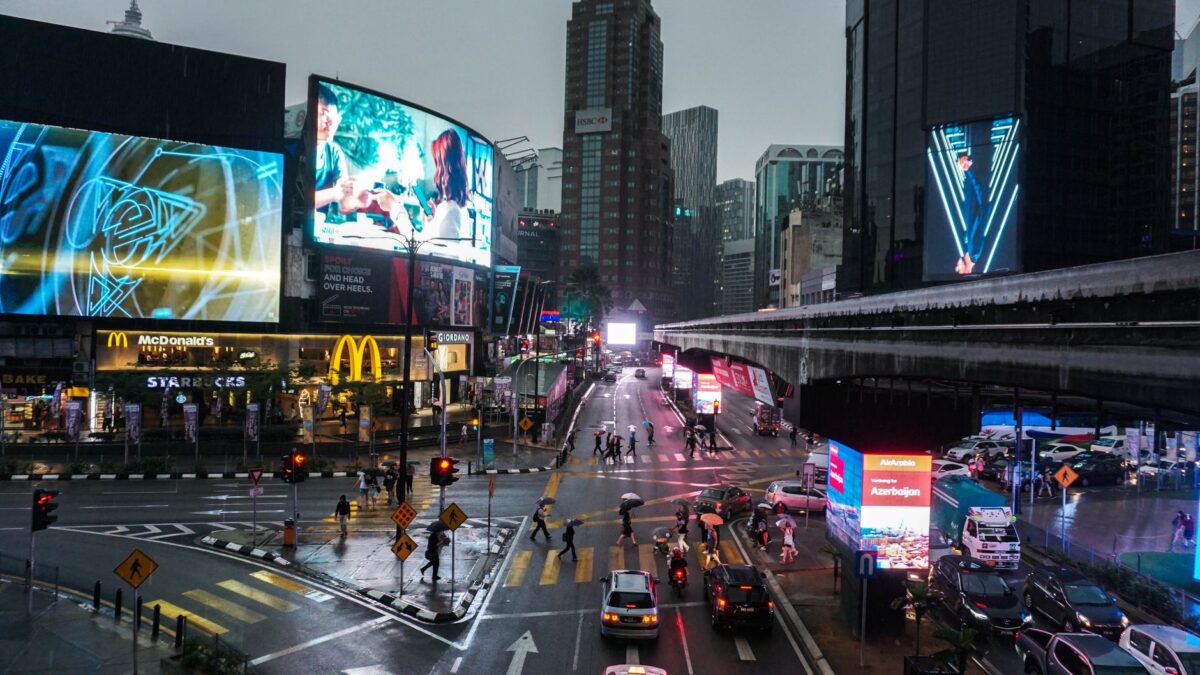
October in Kuala Lumpur is a study in contrasts. The air hangs thick and heavy, the kind of humidity that makes your shirt stick to your back within minutes of stepping outside. It is the muggy tail end of the year’s transition, where the sun beats down with relentless intensity—feeling like 40°C even when the thermometer reads 34°C—and the skies open up for sudden, violent showers. But there is a pulse to this heat. Right now, as we settle into early October, the city is alive with events, from base jumpers leaping from iconic towers to Pokémon fans hunting digital creatures in shopping malls. If you are arriving this month, you need to respect the weather, but you also cannot miss what is happening on the streets.
Weather and Packing: Surviving the Heat and Storms
Let us be clear about what you will face today. The verified forecast for Kuala Lumpur shows highs around 34°C with a “feels like” temperature pushing toward 40°C. Rain is not just possible; it is expected, with heavy showers likely to dump significant moisture over short periods. In fact, recent data points to substantial rainfall accumulation, meaning your plans must be flexible.
This weather dictates your rhythm. Outdoor activities should be scheduled for the morning hours before the heat peaks and the afternoon storms roll in. By midday, the safest places to be are indoors: the sprawling, air-conditioned malls, the covered walkways linking major transit hubs, or the shaded courtyards of heritage shophouses. Pack light, breathable cotton or linen, but never leave home without a compact umbrella or a lightweight rain jacket. Your shoes must be water-resistant; puddles form quickly and stay deep. Bring a small towel for the sweat, and accept that you will be sweating—it is part of the Malaysian experience right now.
What Is Happening Now: Events and Cultural Moments
Despite the heat, October is packed with unique local happenings. If you are near the city center, two major cultural touchpoints define the first three weeks of the month. First, the Kuala Lumpur Tower International BASE Jump 2026 is currently running at Visit Malaysia Square, Menara Kuala Lumpur. This is part of the tower’s 30th-anniversary programme, featuring jumpers from multiple countries. Crowds gather at the base to watch the adrenaline unfold, making it a free, public spectacle if you can secure a good viewing spot early.
Simultaneously, pop culture has taken over Ombak KLCC. A Pokémon Center pop-up event is active from October 1 through 31, but specifically between now and October 23, the theme is Pikachu. You will find rooftop Sky Garden installations, meet-and-greets with Pikachu and Eevee characters, and a seven-stamp rally for collectors. It is a vibrant, chaotic, and fun diversion from the heat, drawing families and fans alike. Be prepared for queues; this is a high-traffic attraction right now.
On the more serious side, the inaugural Asia Fintech Forum 2026 is held today, October 2, at the World Trade Centre Kuala Lumpur. While this is primarily for industry delegates focusing on AI, stablecoins, and Islamic fintech, it signals KL’s growing role in digital finance. For the general traveler, it means the area may see increased security and professional traffic, but it also underscores the city’s modern economic pulse.
Practicalities: Costs, Transit, and Daily Life
Kuala Lumpur remains one of Asia’s most affordable major cities, though costs have ticked upward recently. As of January 2026, daily rail pass prices rose significantly, so budget accordingly. However, meals remain incredibly cheap. You can expect to pay about RM20 (roughly $4) for a meal at an inexpensive local restaurant, while a hawker stall might serve you for just RM5–12. A cup of coffee at a chain cafe runs around RM12.70–13.30 (approx. $2.8), which is standard for urban centers globally.
Accommodation varies widely. A modest one-bedroom flat in the city centre rents for about RM2,300–2,500 per month, but for travelers, a night in a mid-range guesthouse can cost between RM35–60 (approx. $30), while a 3-star hotel sits around RM100–180. If you plan to use public transport extensively, note that the My50 pass is RM50 for Malaysians but RM150 for non-citizens—a steep difference to keep in mind. Single fares for MRT/LRT/bus trips range from RM1.20 to RM3.50.
Food staples are priced predictably: a liter of milk is about RM8.50, and a loaf of bread is RM4.10–4.40. Local beer, if you choose to drink, is roughly RM18 for a domestic draft. Taxis start with a flag-down fare of RM5.00. Overall, your purchasing power here is strong; you can eat well and move around comfortably without breaking the bank.
Current Alerts and Local Context
Travelers should be aware of a few ongoing local developments. There is currently heightened attention on airport conduct following a viral CCTV clip from late September/early October showing a Border Control official manhandling a foreign national. An internal investigation is underway, and police reports have been filed. While this does not directly affect smooth travelers, it highlights a period of strict enforcement scrutiny at KLIA. Ensure your documents are perfectly in order and interactions with officials remain calm and polite.
In Setapak, the demolition of Sri Semarak has displaced roughly 98 SME operators, leading to community pressure for replacement lots. This is a significant local social issue, reflecting the tensions between urban development and traditional market livelihoods. For tourists, this area is less relevant, but it paints a picture of the city’s rapid transformation.
Also, keep an eye on the motorsport scene. The Citrawarna Speed Festival 2026, featuring supercar exhibits and a massive parade, concluded its run across IOI City Mall Putrajaya, KLIA Terminal 1, and Sama-Sama Hotel just yesterday, October 4. If you missed it, the energy from those displays lingered in the city’s automotive culture circles for days.
Right Now Tips for the October Traveler
If you are here this week, prioritize morning visits to outdoor attractions like Batu Caves or the Islamic Arts Museum Malaysia. Head indoors by noon. Use the covered walkways to move between hotels and malls; they are your lifeline during rain. If you want to engage with local youth culture, head to Ombak KLCC for the Pokémon event, but go early to avoid the worst of the crowds. For a taste of the city’s historic vibe, explore the heritage cafes in Bukit Bintang or Kampung Baru, such as Three Years Old Cafe or Jeju Coffee, where you can escape the heat for a while.
Finally, be patient. The heat slows everyone down, including service staff and drivers. Traffic can be congested, especially during rush hours, so factor in extra travel time. Embrace the rhythm of the city: work hard in the cool mornings, rest in the air-conditioned afternoons, and enjoy the vibrant nightlife when the storms pass and the streets come alive again.
Frequently asked questions
Is Kuala Lumpur safe to visit in October 2026?
Yes, Kuala Lumpur is generally safe. However, there is currently heightened scrutiny at immigration due to a recent viral incident involving border control officers. Ensure your travel documents are perfect and maintain respectful interactions with officials.
What major events are happening in KL this week?
The Kuala Lumpur Tower International BASE Jump 2026 is ongoing at Menara Kuala Lumpur, and the Pokémon Center pop-up at Ombak KLCC features Pikachu-themed events until October 23. These are key local attractions right now.
How much does a meal cost in Kuala Lumpur in October 2026?
A meal at an inexpensive local restaurant costs about RM20 ($4). Hawker stalls offer cheaper options between RM5–12. A mid-range dinner for two is around RM120 ($26).
What is the best way to handle the weather in October?
Plan outdoor activities for the morning only. Afternoons bring heavy showers and high humidity (feels like 40°C). Use covered walkways and spend midday hours in malls or indoor attractions like Aquaria KLCC.
Are public transport passes expensive for foreigners?
Yes. The My50 unlimited monthly pass costs RM50 for Malaysians but RM150 for non-citizens. Single fares range from RM1.20 to RM3.50, so calculate your daily usage carefully.


