Maldives etiquette: the dos and don’ts
The air in Malé is thick with salt and the rumble of scooters when the light drizzle starts. You’re standing near the fish market, watching a manta ray glide through the harbour water as if it owns the place, while a worker hoses down the morning’s tuna catch. This is the real Maldives — not the overwater bungalow postcard, but a dense, living city of 103,693 people on a one-square-kilometre island. And if you want to move through it with respect, you need to know a few things before you start snapping photos.
Greetings: A handshake is fine, but watch the left hand
When you meet a Maldivian, a simple “Assalaamu alaikum” (peace be upon you) goes a long way. The response is “Wa alaikum assalaam.” Among friends, a light handshake is common — but here’s the local nuance: use your right hand. The left is considered unclean in Islamic culture, so never offer it for a handshake, a business card, or even a snack. If you’re unsure, place your right hand over your heart and give a slight nod. That’s universally respected.
Address people by their first name if you’re introduced, but if you’re meeting an elder or someone in authority, add “Dhoni” (for men) or “Dhonia” (for women) as a courtesy — it’s a bit like “Mr.” or “Ms.” You’ll rarely go wrong with a warm smile. Maldivians are famously hospitable, but they are also reserved. Don’t be offended if a conversation starts slowly; it’s not rudeness, it’s just the local rhythm.
Dress: Cover up in town, save the bikini for the resort
This is the single most important piece of advice I can give you. On the resort islands, anything goes — bikinis, sarongs, bare shoulders. But in Malé, Hulhumalé, and all local islands, modesty is expected. For women, that means shoulders and knees covered. A light scarf or shawl is handy for entering mosques, where a headscarf is required. Men should wear shirts with sleeves, and avoid walking around in just swim trunks. You’ll see locals in everything from jeans to traditional dresses, but the golden rule is: when in doubt, cover up.
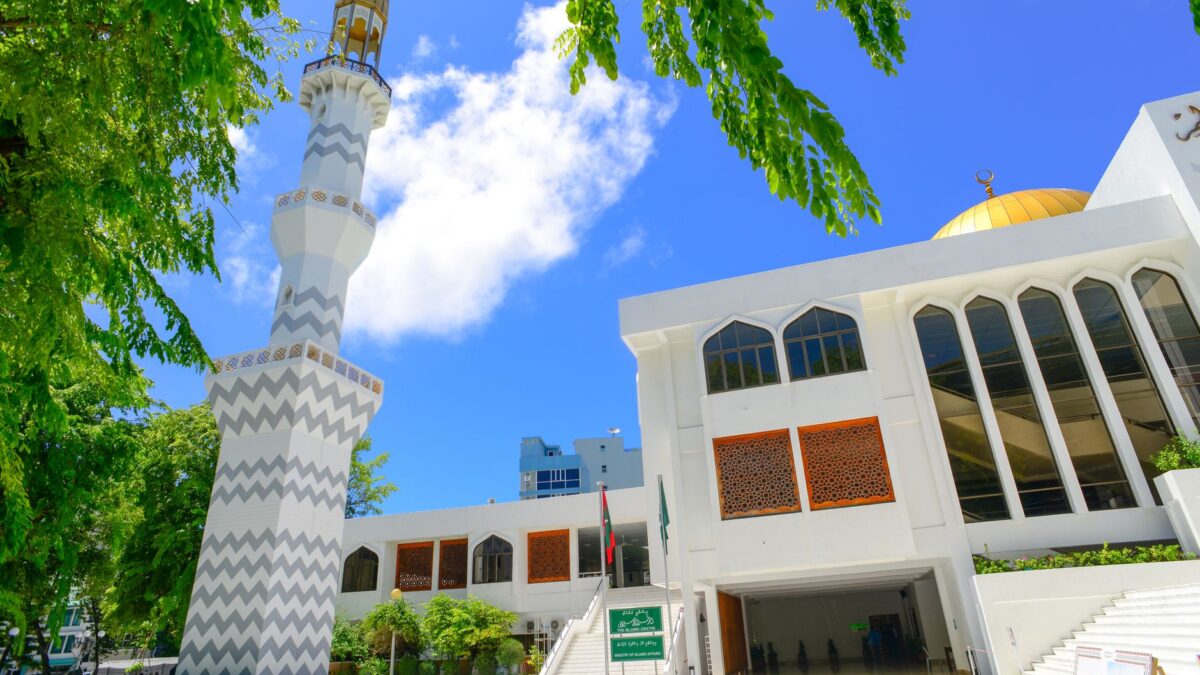
Why does this matter? The Maldives is a 100% Muslim country. Friday prayers are the cultural heartbeat, and you’ll hear the call to prayer echo across the city. Respect it. If you’re near the Grand Friday Mosque (Masjid Al-Sultan Muhammad Thakurufaanu Al-Auzam) at prayer time, pause, lower your voice, and step aside. The golden dome is a stunning photo, but photographing people praying is a serious faux pas.
Dining: Eat with your right hand, but fork is fine
Maldivian food is a tuna-lover’s dream. The national breakfast is mas huni — smoked tuna, coconut, and onion wrapped in roshi (a flatbread). You’ll find it at local cafes for about MVR 25–60 (roughly $2.80). A proper lunch of curry and rice at an inexpensive local spot will run you MVR 60–120 (about $6). At a mid-range restaurant like The Cloud Restaurant or Seahouse Maldives, expect MVR 200–400 (around $19) for a main course. If you’re invited to a local home — a rare honour — here’s the etiquette:
- Always accept the first offering of food or drink. Refusing twice is considered impolite; a small taste shows respect.
- Eat with your right hand, even if cutlery is available. It’s more authentic and appreciated.
- Don’t start eating until the host begins. Watch and follow.
- Leave a little food on your plate — it signals you’re full and satisfied. Cleaning your plate entirely can imply you’re still hungry.
If you’re trying garudhiya (the clear tuna broth, known as the national soup), sip it from the bowl with your right hand. It’s delicious, but it can be very fishy. A small spoonful of rice in the broth is the traditional way to enjoy it. And here’s a fun fact: despite being an island nation, food prices in Malé are steep. The capital is the most expensive city in South Asia for cost of living, and a recent US-dollar shortage has pushed prices up. That’s why a simple meal at a market stall is not just authentic — it’s budget-savvy.
Tipping: Appreciated, not expected
Tipping is a gentle grey area in the Maldives. In resorts, a 10% service charge is usually included, so extra tips are optional but warmly received — especially for your dive guide or housekeeping. In Malé’s local restaurants and cafes, tipping is not the norm, but rounding up the bill is a kind gesture. For taxi drivers, round up to the nearest MVR 10 or 20. A base fare within Malé is about MVR 30 (around $1.90), so a little extra is meaningful.
If you’re staying at a guesthouse — a night in a mid-range place like Hotel Octave Maldives or Summer Beach Maldives costs roughly MVR 600–1,200 (about $60) — tip the staff who clean your room or bring you tea. A small note (MVR 50–100) for a week-long stay is generous. But don’t feel pressured. Maldivians are not a tipping culture; they are a hospitality culture. A thank you, in Dhivehi, is “Shukuriyaa”. Use it, and you’ll win hearts.
The small customs that matter
- Ramadan: If you visit during the holy month, don’t eat, drink, or smoke in public during daylight hours. Even if you’re not fasting, respect the rule. Restaurants will be closed during the day, but your hotel can arrange takeout.
- Alcohol: This is a big one. Alcohol is only legally available at resorts and liveaboards. In Malé, you will not find a beer at a local cafe or restaurant. Don’t try to bring it in from the airport either — it will be confiscated. On a resort, a local beer will set you back about MVR 200–400 (around $19), which is steep, but you’re paying for the licence.
- Friday worship: On Fridays, much of the city slows down. Businesses may close for midday prayers. Plan your shopping and sightseeing around that. The Hukuru Miskiy (Old Friday Mosque) is a masterpiece of coral stone carving from 1656 — visitors are welcome outside prayer times, but women must be covered.
- Photography: Always ask before photographing locals, especially women. In the fish market, you can photograph the tuna auction (it’s spectacular), but be discreet with your camera. The manta rays that gather at the fish-market pier are a free spectacle — no one will mind you photographing them.
- Shoes off: When entering a mosque or someone’s home, remove your shoes. You’ll see a pile at the door. It’s non-negotiable.
- Respect the environment: The Maldives is on the front line of climate change. Don’t touch corals, don’t feed fish, and carry a reusable water bottle. Locals will notice and appreciate it.
Getting around: Tread lightly amid the roadworks
Malé is undergoing a massive transformation. The Thilamalé Bridge connecting Malé to Villingili just had its final segment installed, with paving due in September. And the Boduthakurufaanu Magu redevelopment is an ongoing disruption, with sections of the northern waterfront closed for sheet piling and stormwater pump stations. Taxis are flat-fare about MVR 15–30 (roughly $1–2), and the airport ferry costs about MVR 10 (US$1) for a 10-minute ride. If you’re walking, be careful — pavements are uneven, and scooters zip by without warning. But that’s also the charm. You’ll see men carrying fish, women in black abayas shopping for mangoes, and kids kicking a ball near the Tsunami Monument. It’s a city that pulses with life, and if you move with patience and a smile, you’ll be welcomed.
One last thing: visit the National Museum in Sultan Park. For MVR 100 (about $6) you can see the whale-shark skeleton and royal artefacts. It’ll give you context for everything else you see. And if you’re wondering about the crash that everyone’s talking about — the Lamborghini that flipped on the bridge highway — well, that’s a story for another cup of coffee at Meraki Coffee Roasters (a flat white there is about MVR 35). Just remember to nod at the locals as you pass. You’re a guest, not a tourist.
Frequently asked questions
Do I need to tip in the Maldives?
Tipping is appreciated but not expected. In resorts, a 10% service charge is usually included; in local cafes, rounding up the bill is kind. For taxis, round up to the nearest MVR 10.
Can I drink alcohol in Malé?
No. Alcohol is only legally served at resorts and liveaboards. In Malé and local islands, it is not available. Don't attempt to bring it from the airport — it will be confiscated.
What should I wear in Malé?
Dress modestly: cover shoulders and knees. Women should carry a scarf for mosque visits. Bikinis are only for resorts, not public beaches in the city.
Is it rude to eat with my left hand in the Maldives?
Yes. The left hand is considered unclean. Always use your right hand for eating, shaking hands, and handing over items.
What is mas huni?
Mas huni is a traditional Maldivian breakfast of smoked tuna, coconut, and onion, served with roshi flatbread. It's a must-try at local cafes, costing about MVR 25–60.
Things to do in Maldives
 Private Vacation Photography Session in Male Maldives
 Greater Male Explorer - Private City Tour by Car or by Walking
 Maldives Dreams A Photoshoot of Love & Laughter with Island Todo
 Underwater and Drone photoshoot in Maldives
 7-Day Maldives Adventure Snorkel Sun and Sand
 Maldives: Swim with Stingrays & Explore 3 Unique Snorkeling Sites