Maldives in September 2026: what travelers should know now
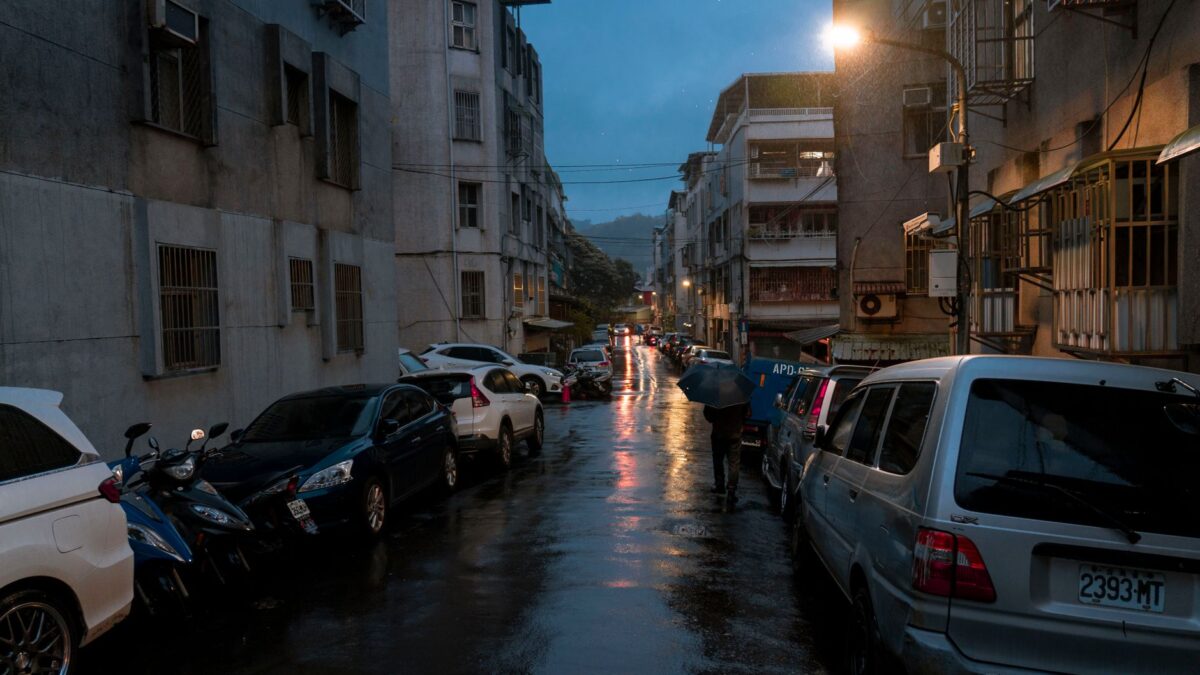
There is a specific kind of humidity that settles over Malé in September. It hangs heavy in the air, thick with the scent of drying skipjack tuna from the quayside and the salt spray rolling off the Indian Ocean. If you are planning to arrive this month, you aren’t coming for the postcard-perfect stillness of peak winter; you are coming for the pulse of the capital when it is most alive, wet, and unpretentious.
As of today, September 18, 2026, the weather is doing its monsoon thing: skies are often grey, temperatures hover around 28–29°C but feel closer to 35°C due to the humidity, and light drizzles are common. But here is the local truth: this is not a bad time to visit. It is the season of green reefs, fewer tourists on the resort islands, and a chance to see the real Maldives—the one where life happens in the narrow streets of Henveiru and Maafannu, not just behind resort fences. Let me walk you through what is actually happening right now.
The Season: Embracing the Green Monsoon
September sits squarely in the Southwest Monsoon (Ilhun) season. You should expect rain—likely daily, though usually in short, intense bursts or persistent light drizzle rather than all-day storms. The sea can be rougher, which affects speedboat transfers to outer atolls, but within Kaafu Atoll, ferries run as scheduled.
Pack accordingly. A lightweight, quick-dry outfit is essential. Bring a compact umbrella and a waterproof cover for your electronics. If you are staying in Malé, you won’t need beachwear unless you plan to visit the Artificial Beach or Rasfannu seawall, where the waves are manageable even in this season. For resort stays, the water remains warm, and visibility underwater is often excellent because the plankton blooms attract bigger fish like whale sharks and manta rays, particularly in nearby South Ari Atoll.
One practical note: the heat index feels higher. Hydration is non-negotiable. Keep water with you at all times, especially if you are walking between districts like Machchangolhi and Hulhumalé.
What’s On: Public Holidays and Local Rhythms
In the coming weeks, keep an eye on the Islamic calendar. While I don’t have the exact dates for every Eid holiday falling precisely in late September 2026 without checking the lunar sighting, public holidays in the Maldives are significant. When they occur, banks, government offices, and many smaller shops close for two to three days. Tourism operations remain open, but transportation schedules may shift slightly.
If you find yourself in Malé during a Friday prayer time, remember that the city slows down. The Grand Friday Mosque near the Islamic Centre will be bustling, and traffic around Republic Square may congest. This is also a good reminder of the cultural context: Malé is a conservative, Sunni-Muslim city. Alcohol is strictly prohibited in Malé and local islands—it is only available on resort islands and liveaboards. Dressing modestly (covering shoulders and knees) is respected and required in public spaces, including markets and government buildings.
Navigating the Capital: Districts and Transport
Malé is small but dense. Getting around requires understanding its geography. The city is divided into distinct districts, each with its own character:
- Henveiru: Your arrival point. This eastern district holds the airport ferry terminal, the National Museum, Sultan Park, and the Hukuru Miskiy (Old Friday Mosque), a stunning 17th-century coral-stone structure. It’s the administrative heart.
- Maafannu: To the west, this is the working waterfront. Visit the fish market early morning to see dhoni crews cleaning their catch. It’s gritty, authentic, and fascinating.
- Machchangolhi: The commercial hub. Here you’ll find the Singapore Bazaar strip for wholesale goods and the Local Market for fresh produce. It’s noisy, vibrant, and the best place to buy souvenirs or local snacks.
- Hulhumalé: Connected by the Sinamalé Bridge, this reclaimed island is cleaner, wider, and more modern. It’s a popular spot for evening walks along the long public beach and offers many guesthouses with easier access.
For transport, rely on the Raajje Transport Link (RTL) buses. They are cheap, reliable, and color-coded by route (R10, R11, R12). A single fare is about MVR 10 (approx. $0.60). Taxis are available but expensive; negotiate or use the fixed airport-to-Malé fare of MVR 110. Ferries to Villimalé (Villingili) cost just MVR 3-5 and run frequently from Ferry Terminal 1. Cash is king for buses and ferries, though cards work in most cafes and hotels.
Costs and Dining: Eating Like a Local
Malé is pricey compared to other South Asian cities, but you can manage costs with smart choices. Accommodation in mid-range guesthouses runs MVR 800–1,800 per night. Renting a modest apartment long-term costs around MVR 14,700 monthly, but for tourists, guesthouses are the way to go.
Food is where you save money. Skip the hotel restaurants. Head to a hotaa (local eatery) for a meal of masroshi, roshi, or chicken curry rice for MVR 85–100 (about $6). A coffee at a local café like Bianco Coffee & Eatery or The Usual Coffee House will set you back MVR 45–52 (approx. $3). For a nicer dinner for two at a mid-range restaurant, budget MVR 450–750 (around $40).
If you crave alcohol, you must book a resort stay or a liveaboard. In Malé, beer is illegal. Don’t try to bring it in; customs checks are strict.
Practical Tips for September Arrival
Visa: Most nationalities get a free 30-day visa on arrival. Ensure your passport has at least six months validity and a machine-readable zone (MRZ). You must file the IMUGA Traveller Declaration online within 96 hours before arrival. Note that entry is currently not granted to Israeli passport holders.
SIM Cards: Buy a SIM at Velana International Airport upon arrival. Dhiraagu and Ooredoo offer tourist packages with data. Bring your passport for registration.
Safety: Malé is generally safe, but be cautious of strong currents if swimming at the Artificial Beach. Avoid photographing locals without permission, especially women. Emergency number is 119.
Currency: The local currency is the Maldivian Rufiyaa (MVR). US Dollars are widely accepted in tourist areas, but rufiyaa is needed for local transport and street food. ATMs are plentiful, mostly operated by Bank of Maldives (BML).
This September, come with an open mind and a sense of adventure. The rain might wash over you, but it also waters the gardens of Sultan Park and cools the streets of Maafannu. It’s a raw, real experience that few ever get to see. Welcome to the Maldives—not just the postcard, but the place.
Frequently asked questions
Is September a good time to visit the Maldives?
Yes, if you don't mind rain. September is the low season with lower prices and fewer crowds. Expect humid weather and occasional showers, but underwater visibility is often great for spotting whale sharks and mantas.
Do I need a visa for the Maldives in 2026?
Most travelers get a free 30-day visa on arrival. You must have a passport valid for 6 months, a confirmed hotel booking, and proof of funds. File the IMUGA declaration online before traveling.
How much does a meal cost in Malé?
A meal at a local hotaa costs about MVR 85–100 ($6). A mid-range restaurant dinner for two is around MVR 450–750 ($40). Coffee is roughly MVR 45–52 ($3).
Can I drink alcohol in Malé?
No. Alcohol is banned in Malé and all local islands. It is only available on designated resort islands and liveaboard boats.
How do I get around Malé cheaply?
Use the RTL buses (MVR 10 per ride) or public ferries (MVR 3–5). Taxis are available but more expensive; agree on fares beforehand or use the fixed airport rate.
Things to do in Maldives
 Private Vacation Photography Session in Male Maldives
 Greater Male Explorer - Private City Tour by Car or by Walking
 Male' City Walking Tour Explore All the Top Highlights
 Maldives Dreams A Photoshoot of Love & Laughter with Island Todo
 Underwater and Drone photoshoot in Maldives
 7-Day Maldives Adventure Snorkel Sun and Sand