

Malta in November 2026: what travelers should know now
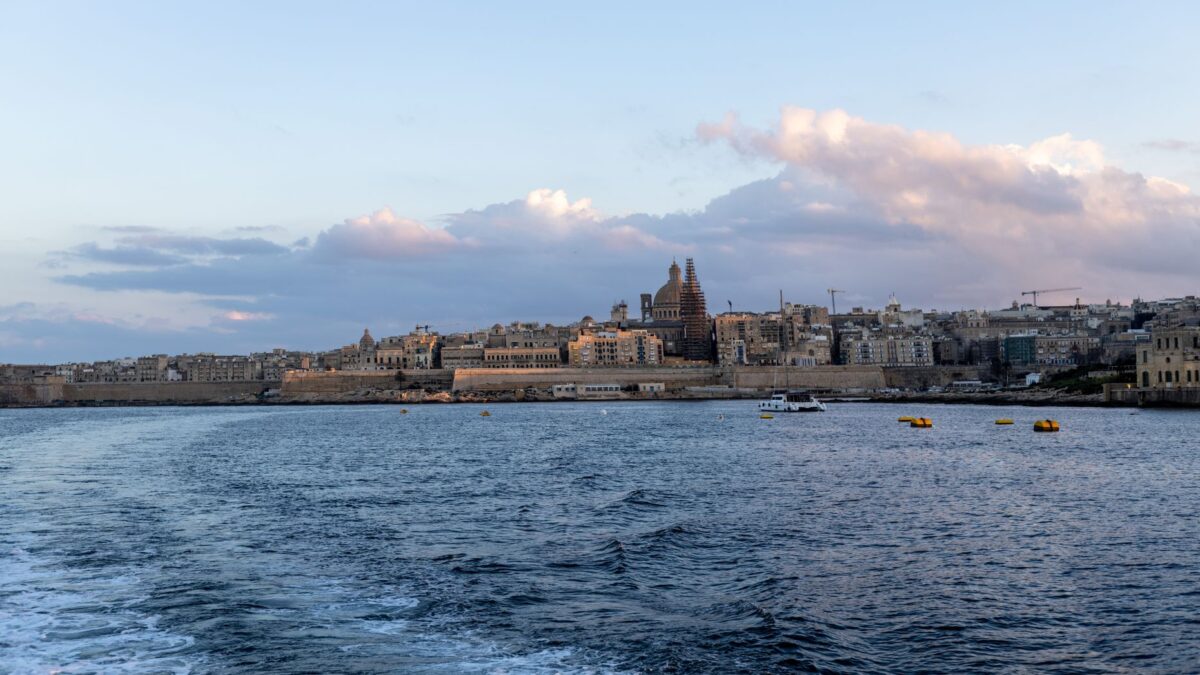
The damp chill has finally set in. As I step out of my flat in Valletta this morning, the sky is a heavy, uniform grey, pressing down on the honey-coloured limestone of Republic Street. It’s 16°C—cool enough that you’ll need a jacket, but warm enough to walk without shivering. This is Malta in November: the season where the summer crowds have vanished, the olive harvest is underway in the countryside, and the first proper autumn rains have turned the inland valleys a deep, vibrant green. If you are arriving now, you are catching the island at its most atmospheric, moody, and authentically Maltese.
Weather and Packing for the Turn of the Season
As of today, 9 November 2026, the forecast for Valletta shows temperatures hovering between 16°C and 22°C. The days are shorter, with daylight lasting from roughly 06:32 to 16:59. You will notice the evenings closing in fast. By mid-November, the ‘sirocco’ winds can bring sudden gusts and rain, so waterproof footwear is non-negotiable if you plan to explore the steep, cobbled streets of the old city or hike the Dingli Cliffs.
Pack layers. A light wool coat or a sturdy windbreaker will serve you better than summer linen. While the sea might still be swimmable for the hardy, it is no longer the main draw. Instead, focus on indoor comfort. The humidity indoors can feel higher than the air suggests, so breathable fabrics under your outer layer are wise. If you are staying long-term, note that rent in central Valletta runs about €1,100–€1,600 per month, while just outside the centre (like in Floriana) it drops to €800–€1,000.
What’s Happening Now: Festivals and Cultural Shifts
This week is particularly rich for culture. The 47th Malta Book Festival is currently filling the MFCC at Ta’ Qali under the theme ‘Uncover the Story’. It runs until 8 November, featuring over 100 events with free entry. Just around the corner, from 6–7 November, Science in the City is holding its Performance Festival at Sala San Duminku on Merchants Street. It is a standalone event for the first time in 14 years, blending theatre, science stand-up comedy, and workshops. Free entry makes it an easy add-on to your itinerary.
If you stay into next week, keep an eye on the calendar. On 9 November, an exhibition on the Tas-Silġ archaeological site opens at the National Museum of Archaeology in Valletta, timed with a major international archaeology congress. Then, from 11–13 November, MedTech World Europe takes over the Mediterranean Conference Centre (MCC). Expect roughly 2,000 delegates flooding the hotels and restaurants; access to the MCC itself may be limited for non-attendees during these days. Finally, ŻiguŻajg, Malta’s international arts festival for children, returns for its 16th edition starting 13 November, though dates vary slightly across sources (some say 13–15, others 13–22).
Transport Updates and Practical Navigation
Public transport remains the backbone of getting around, and as of November, winter fares are in effect. A single local bus fare is €2.00 for a 2-hour ticket. If you are planning to move around frequently, the personalised tallinja card offers a monthly fare cap of €26, which is significantly cheaper than paying cash. Visitors can buy a 7-Day Explore Card for €25 (unlimited travel) or a 12-journey card for €19. Remember to validate your card when boarding; failure to tap results in a €50 fine.
A critical update for those walking in the city center: On 20 November, police traffic orders will close Triq San Pawl (from Triq l-Arċisqof to Triq San Duminku), along with parts of Triq l-Arċisqof and Triq San Kristofru, for the whole working day (6am–6pm). This disrupts access to core shopping streets, so plan your visits to Republic Street and Merchant Street accordingly. Buses only run here; there is no metro or train system.
Eating Well on a Budget
Malta’s strength in November lies in its street food and bakeries. You do not need to spend heavily to eat well. A single pastizz—a flaky pastry filled with ricotta or peas—costs between €0.50 and €1.00. A ftira, a traditional Maltese bread sandwich, runs about €5–€6. For a quick lunch, a slice of pizza from a local bakery is €2–€3, and a portion of timpana (baked macaroni pie) is around €2.50.
While dining out at mid-range restaurants is pricier, sticking to pastizzeriji allows you to sample authentic flavors without breaking the bank. The currency is the euro (EUR); while exchange rates fluctuate, the general cost of living reflects a 2.4% inflation rate. Valletta is the most expensive area, but everyday snacks remain affordable. Coffee, milk, and bread prices are harder to pin down exactly right now, but the snack economy is robust and cheap.
Safety, Visas, and Getting Settled
Valletta is consistently ranked among Europe’s safest capitals. Petty theft is rare, though standard precautions apply in crowded areas. The main noise comes from Paceville in St Julian’s, Malta’s nightlife hub, but that is far from the historic center. If you are driving, remember that traffic moves on the left outside the old city’s pedestrian zones.
For longer stays, note that Malta is in the Schengen Area. Most Western nationals enter visa-free for up to 90 days in any 180-day period, though ETIAS registration will soon apply. EU/EEA/Swiss nationals staying over three months must register with Identità’s Expatriates Unit. Non-EU remote workers can apply for a Nomad Residence Permit if they earn at least €42,000 annually. Banking can be paperwork-heavy; high-street banks like Bank of Valletta (BOV) and HSBC Malta require appointments and proof of address. Many newcomers use Revolut or Wise to bridge the gap while waiting for accounts to open.
Mobile connectivity is straightforward. Three networks operate here: GO, Melita, and Epic. Prepaid tourist SIMs are available at the airport and in Valletta. EU citizens benefit from ‘roam-like-at-home’ rules, but a local SIM is more cost-effective for extended stays.
As the clocks go back and the rain falls, Malta sheds its tourist skin. You are left with a place that feels lived-in, historic, and deeply local. Embrace the grey skies—they make the golden stone glow brighter. Enjoy the book festival, grab a hot pastizz from Lot 61 Coffee Roasters, and watch the cannon fire at 12:00 from Upper Barrakka Gardens. This is the real Malta.
Frequently asked questions
Is public transport running normally in Valletta this November?
Yes, buses are operating with winter fares (€2.00 for a 2-hour ticket). However, note that Triq San Pawl and surrounding streets will be closed to traffic on 20 November from 6am to 6pm.
What cultural events are happening in Valletta right now?
The 47th Malta Book Festival runs until 8 November at Ta’ Qali. From 6–7 November, Science in the City hosts performances at Sala San Duminku. An archaeological exhibition opens at the National Museum of Archaeology on 9 November.
How much does it cost to eat street food in Malta?
Street food is very affordable. A pastizz costs €0.50–€1.00, a slice of pizza is €2–€3, and a timpana portion is around €2.50. A full ftira sandwich is approximately €5–€6.
Do I need a visa to visit Malta in November 2026?
Most Western nationals can enter visa-free for up to 90 days within a 180-day period. However, ETIAS registration will be required for visa-exempt visitors. Check specific requirements for your nationality.
What is the weather like in Valletta in early November?
Expect overcast skies with temperatures between 16°C and 22°C. Daylight ends by 16:59. Pack for cool, potentially rainy conditions, as the first autumn rains typically arrive by early November.


