

Moving to Brazil: visas, banking and SIM cards
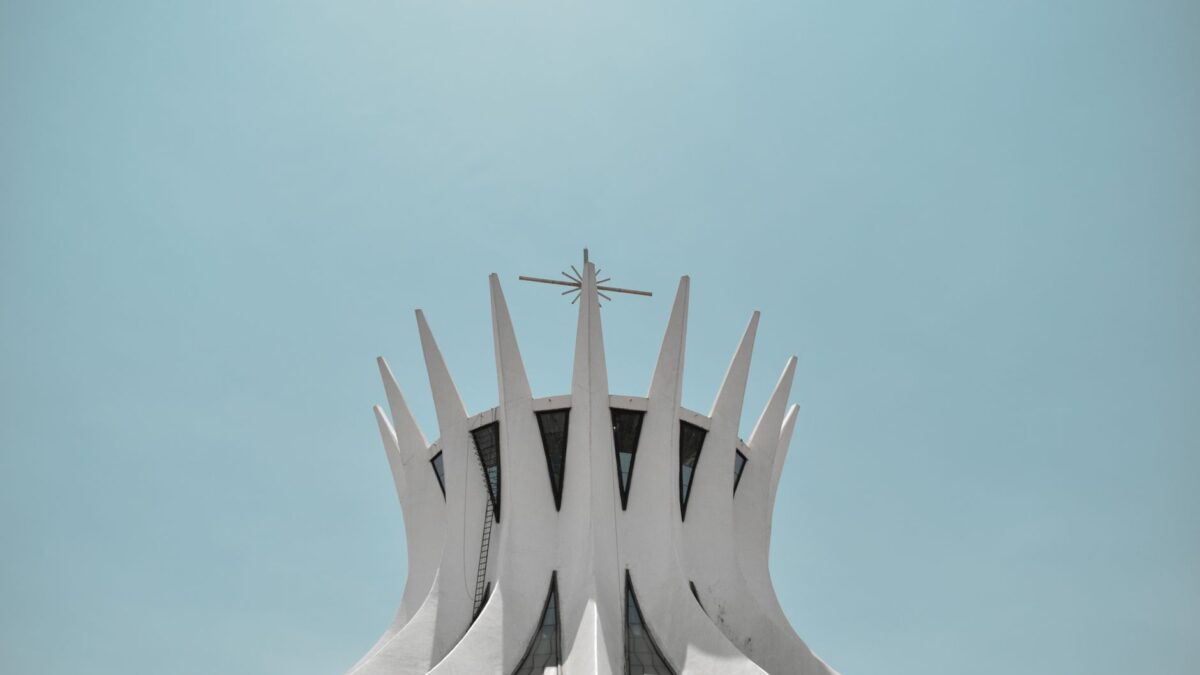
You land at Guarulhos or Congonhas, the humid air hits you like a warm towel, and suddenly you are in Brazil. But before you can head to Asa Sul for that first cafezinho or navigate the bus system to see Niemeyer’s Catedral Metropolitana, you need the boring stuff sorted. I am Rafael Costa, and if you are planning a longer stay in Brasília—or any Brazilian city—this is your survival guide for the first week. We will cover the documents, the money, and the connectivity that turn you from a confused tourist into a resident who knows how things work.
The Paperwork: CPF and CRNM Are Your New Best Friends
In Brazil, bureaucracy is not just a hurdle; it is the foundation of daily life. You cannot open a bank account, buy a SIM card, or even rent an apartment properly without two specific numbers. The first is the CPF (Cadastro de Pessoas Físicas), your individual taxpayer registry. It is free to apply for at a Receita Federal office, but those lines can be long. A quicker, paid alternative is going to a Correios (post office) branch, where it costs about R$7 and is often done the same day. If you are still abroad, you can apply through a Brazilian consulate, though expect to wait one to four weeks.
The second document is the CRNM (Carteira de Registro Nacional Migratório), formerly known as the RNE. This is your migration ID, issued by the Federal Police after you enter the country. Do not confuse this with your CPF. They are separate. You will need both to prove your identity to banks, landlords, and mobile carriers. Keep digital scans of both handy on your phone; Brazilians love asking for “the CPF” and “the RG/CRNM” interchangeably, so having them ready saves you embarrassment.
Banking: Traditional vs. Digital Routes
Once you have your CPF, you can think about money. Brazil runs on Pix, a free instant-payment system that is faster than credit cards and accepted everywhere, from high-end restaurants like Mangai to street vendors selling pão francês. To access Pix, you need a bank account tied to that CPF.
You have two paths here. The traditional route involves walking into branches of Banco do Brasil, Caixa Econômica Federal, Itaú, Bradesco, or Santander. These banks require your CPF, proof of a Brazilian address, and your CRNM. It can be a day-long ordeal of paperwork. However, the digital fintech route—using apps like Nubank, Inter, or C6—is usually the fastest way to get started. Many of these allow you to open an account with just your passport and CPF, sometimes even before you arrive, provided you meet their criteria. For immediate needs, some tourists use Wise-type accounts to hold USD or EUR, but you will quickly find that local BRL transactions via Pix are seamless and free.
Let’s talk costs so you know what to expect. Brasília is one of the more expensive cities in Brazil, but not because of basics. A modest one-bedroom flat in the central Plano Piloto area rents for about R$1,500 to R$2,100 (roughly $330). Food is reasonable if you eat locally: a self-service lunch (prato feito) at a place like Restaurante Universal might cost around R$45 ($8), while a mid-range three-course meal for two at somewhere like Sallva Bar e Ristorante near Pontão Lago Sul could set you back about R$210 ($40). Even coffee is affordable—a small cafezinho is about R$3.94 ($0.70), and a cappuccino is roughly R$13.42 ($2.50).
Connectivity: Getting a Local SIM
Your home carrier’s roaming fees will kill your budget fast. Get a local prepaid SIM from Vivo, Claro, or TIM as soon as possible. Here is the catch: these major carriers increasingly require a CPF number to activate a new line, even for prepaid tourist plans. This is why getting your CPF first is the practical unlock. If you are stuck waiting for your physical CPF card, you can often use your tax receipt number temporarily, or rely on an eSIM solution from your home provider until you sort it out locally. Once you have the CPF, visit a store in person—it is much easier than trying to do it online with foreign ID verification issues.
Getting Around: The Cartão Mobilidade
Brasília was built for cars, but the public transport system is surprisingly efficient if you know how to use it. Forget hailing taxis for daily commutes; they are pricey. Instead, get the Cartão Mobilidade. This card is run by BRB Mobilidade (Banco de Brasília). First issuance is free, but you must pre-register online and pick it up at a BRB Mobilidade or SBA post, bringing your passport and CRNM/RNE.
The card offers integrated trips. You can take a bus and transfer to the Metrô-DF within three hours, paying only the highest fare of the two rides. Currently, a single short bus trip is about R$2.70, while the metro ride is R$5.50. There is no unified monthly pass, so if you commute daily, budget around R$242 ($45) for roughly 44 rides. Cash is being phased out of buses, so keep that card charged via the app or at station kiosks. Remember, during election days, buses and the metro run free, which is a great way to save money if your stay coincides with voting.
Navigating the City: Where to Stay and Play
Choosing where to live depends on your vibe. If you want traditional charm and tree-lined streets, look at Asa Sul, specifically around superquadra 308 Sul, which features Burle Marx landscaping. If you prefer bohemian energy, universities, and bars, choose Asa Norte. For luxury and lake views, Lago Sul is the place, home to embassies and high-end dining. Younger professionals often flock to Sudoeste or the newer Noroeste districts for walkability and modernity. Satellite cities like Águas Claras are more vertical and metro-served, while Taguatinga is a commercial hub with its own soul.
When you have downtime, explore the landmarks. Walk across the Ponte JK at sunset—the view of the lake and the city lights is iconic. Visit the Catedral Metropolitana at midday when the light streams through Marianne Peretti’s stained glass. Or simply sit at Los Baristas in Asa Norte and watch the world go by. Brasília is an open-air museum of modernist architecture, but it is also a living, breathing city with a strong cultural pulse, from samba nights at Na Praia Parque to film festivals at Cine Brasília.
Embrace the process. The first week is about paperwork and setup, but once you have your CPF, your bank account, and your Cartão Mobilidade, Brazil opens up to you. Welcome home.
Frequently asked questions
How do I get a CPF in Brazil as a foreigner?
You can apply for a CPF for free at a Receita Federal office, pay about R$7 at a Correios (post office) branch for same-day service, or apply through a Brazilian consulate abroad, which takes 1-4 weeks.
Can I open a bank account in Brazil without a CPF?
No. All Brazilian bank accounts, including digital fintechs like Nubank and Inter, are tied to a CPF. You must obtain your CPF before attempting to open an account.
What is the best way to pay for daily expenses in Brazil?
Use Pix, the free instant-payment system linked to your bank account. It is accepted almost everywhere, from supermarkets to street vendors, and is faster than credit cards.
How does public transport payment work in Brasília?
Get a Cartão Mobilidade from BRB Mobilidade. It allows integrated transfers between buses and the metro within three hours for a single maximum fare of R$5.50. Cash is being phased out on buses.
Do I need a SIM card immediately upon arrival?
It is highly recommended. Major carriers like Vivo, Claro, and TIM now typically require a CPF to activate a line, so securing your CPF first is the key step to getting connected locally.


