
Moving to Bulgaria: visas, banking and SIM cards
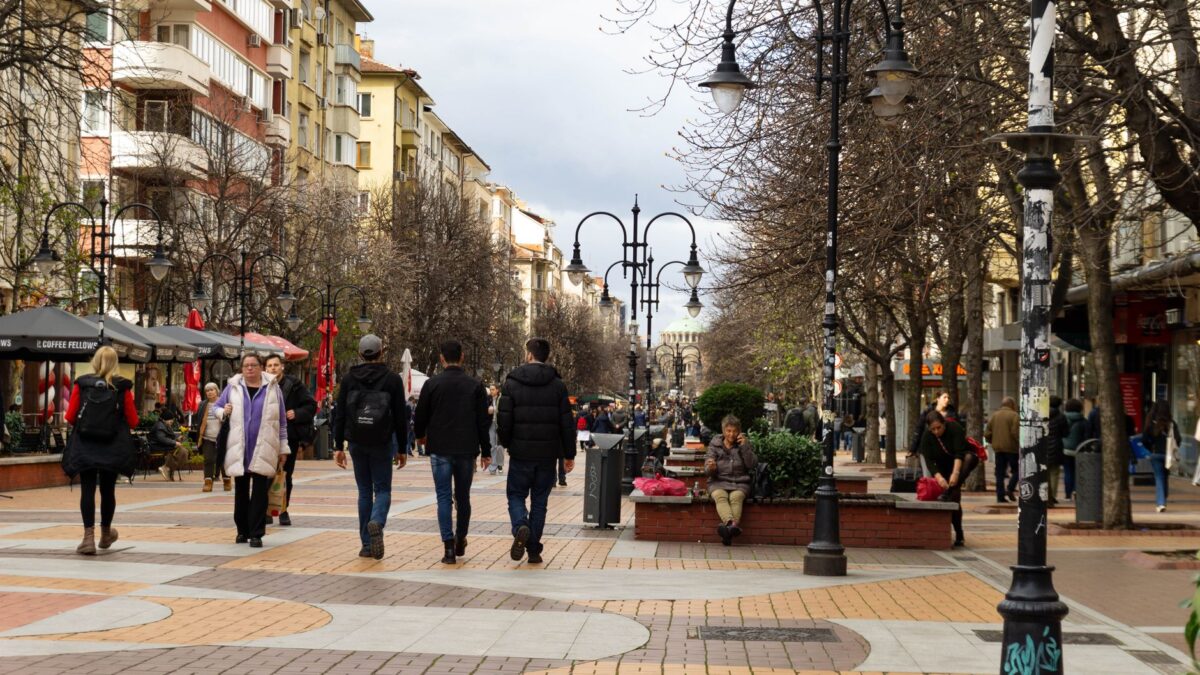
The air in Sofia right now carries that specific, crisp transition from late summer to autumn. It is mid-September, and the city is shaking off its holiday haze. The market stalls along Vitosha Boulevard are heavy with the last of the tomatoes and peppers, but you can already spot the first grapes and quince being laid out for the winter preserves. If you are arriving now, you have chosen a beautiful moment. The weather is hovering around 13–24°C, often overcast but gentle, and the energy on the streets is high. But before you can enjoy a tarator in one of the leafy parks or hike up Vitosha Mountain, you need to handle the bureaucratic friction. Moving here is not about complex paperwork; it is about knowing which doors to knock on.
Navigating Entry and Residence Basics
Bulgaria has undergone significant changes recently. As of January 1, 2025, we fully joined the Schengen area, including our land borders. This means if you are from the US, UK, Canada, or EU, you likely fall under the standard 90-days-in-180 visa-free rule for short stays. However, if you plan to stay longer—whether for work, study, or retirement—you cannot simply extend your tourist status indefinitely. You must register your residential address (adresna registratsia) with the local police or municipality.
This registration is the golden key. For non-EU foreigners, it results in the issuance of a foreigner’s personal number, known as LNCH (Личен номер на чужденец). Do not underestimate this document. Without an LNCH, opening a bank account or signing a long-term SIM contract is nearly impossible. Some banks may accept a notarised lease agreement as proof of address, but having the LNCH smooths every subsequent interaction. If you are staying in districts like Lozenets or Mladost, ensure your landlord cooperates with this process early, as they are required to report your arrival.
Setting Up Your Banking Life
Sofia remains one of the most affordable capitals in the European Union, but financial setup requires patience. Since the euro changeover on January 1, 2026, prices are displayed in euros, though the underlying economy still references the lev (BGN) at a fixed rate of approximately 1.95583 BGN per euro. In practice, you will see prices like a monthly transit pass costing €25.50 (roughly 50 BGN) or a cappuccino at Martines Specialty Coffee Shop & Roastery Sofia going for about 3.50 BGN. Banks operate strictly under KYC (Know Your Customer) regulations.
You have several reliable options: UniCredit Bulbank, DSK Bank (which has the largest branch network), United Bulgarian Bank (UBB), Postbank, Fibank, and Raiffeisenbank. Walk-in accounts are easiest if you present your residence permit or LNCH along with proof of local address. Deposits are protected up to EUR 100,000, so your money is safe. When you open an account, ask specifically about online banking capabilities, as digital infrastructure here is quite robust. Avoid relying solely on cash; while a single dish at an inexpensive local place might cost around 15 BGN, card payments are ubiquitous even in smaller neighbourhood shops.
Your Digital Lifeline: SIM Cards and Data
Connectivity in Bulgaria is excellent and inexpensive. You have three major operators: A1 Bulgaria, Yettel (formerly Telenor), and Vivacom. All of them offer prepaid SIM cards, data bundles, and increasingly, eSIM support for modern smartphones. If you are a tourist or on a short business trip, you can buy a prepaid SIM at the airport or any kiosk. Present your passport, and you will have a working number within minutes.
For longer stays, getting a contract line usually requires your LNCH. Many expats prefer starting with prepaid to test coverage in their specific district—coverage can vary slightly between the concrete-heavy residential blocks of Mladost and the hillside homes of Boyana. Prices for data are competitive. A typical local beer in a shop might be 1.65 BGN, but a good internet connection is worth far more. Ensure your phone is unlocked before you arrive, as switching providers later can sometimes involve administrative delays if you are under contract.
Getting Around Sofia’s Transit Network
Sofia’s public transport system is run by the Center for Urban Mobility (ЦГМ). The most efficient way to pay is via the Sofia City Card or the paper Ultralight card, available at metro ticket desks. These cards hold value for bus, tram, trolleybus, and metro rides. Currently, a single fare with a 30-minute transfer window is roughly 1.60 BGN. If you commute daily, a personalised monthly all-transport pass is about 50 BGN, which is a bargain compared to Western European cities.
Be aware of current operational nuances. Metro service is currently cut between Slivnitsa and Obelya stations due to construction for a new station on bul. Pancho Vladigerov, with replacement buses running. Also, keep an eye on the tram-track reconstruction on bulevard Knyaginya Maria Luiza, which is rerouting several lines through the Central Station area. As we approach the school year rush, remember that the metro switches from summer to winter weekday timetables just before September ends. For quick trips, Bolt is the dominant rideshare app, with base fares keeping short city rides around 9.50 BGN. Always validate your ticket; inspectors are active, and fines are enforced on the spot at 40 BGN.
Living Well: Cost of Living and Local Vibes
The practicalities of living here are complemented by a vibrant social scene. With EuroVolley 2026 underway in Sofia and festivals like KvARTal taking over the Old Town, the city is alive. Rent for a modest one-bedroom flat in the city or outer districts averages around 885 BGN per month, making housing relatively accessible. Food costs are low; a loaf of fresh white bread is about 1.30 BGN, and milk is roughly 3.00 BGN per litre. You can find great value in places like Ploshtadcheto for lunch or Lavelé Kitchen&Bar for dinner.
As Independence Day approaches on September 22, expect a festive atmosphere. The city is clean, the people are generally welcoming, and safety is high, though standard urban precautions apply. Whether you are settling in Studentski Grad for nightlife or exploring the quiet diplomatic streets of Iztok, Sofia rewards those who take the time to understand its rhythms. Start with your LNCH, secure your bank account, and then immerse yourself in the unique blend of Roman history, Ottoman heritage, and modern European life that defines this capital.
Frequently asked questions
Do I need a visa to move to Bulgaria from the US or UK?
For short stays up to 90 days, US and UK citizens do not need a visa due to Bulgaria's full Schengen membership since January 2025. For longer stays, you must apply for a residence permit and register your address to obtain an LNCH.
How much does a monthly public transport pass cost in Sofia?
A personalised monthly all-transport pass covering metro, bus, tram, and trolleybus is approximately 50 BGN (around €25.50). Single tickets are roughly 1.60 BGN.
Which banks are best for foreigners opening accounts in Sofia?
Major banks like UniCredit Bulbank, DSK Bank, United Bulgarian Bank (UBB), and Fibank are reliable. You typically need your passport, proof of address, and preferably an LNCH for easier account opening.
What is the LNCH and why do I need it?
The LNCH (Foreigner's Personal Number) is issued after you register your residential address with local authorities. It is essential for signing long-term contracts, such as mobile phone plans, utilities, and bank accounts.
Is Sofia safe for expats and tourists?
Yes, Sofia is generally very safe. The main enforcement concern is public transport ticket validation, with fines of 40 BGN for invalid tickets. Standard urban precautions regarding theft are sufficient.
Things to do in Bulgaria
 Borovets: Private Ski or Snowboard Tuition
 Half Day Tour around Sofia and the mountains with Thermal Spa
 Food Walk: Bulgarian Food and Culture Tour in Plovdiv
 Sofia Discount Card – Balloon Flights, ATV, Spa, 70+ Experiences
 Private Wine Tasting in the UNESCO town of Nessebar
 Plovdiv, Asen's Fortress and Bachkovo Monastery small group tour with pickup