

Moving to Costa Rica: visas, banking and SIM cards
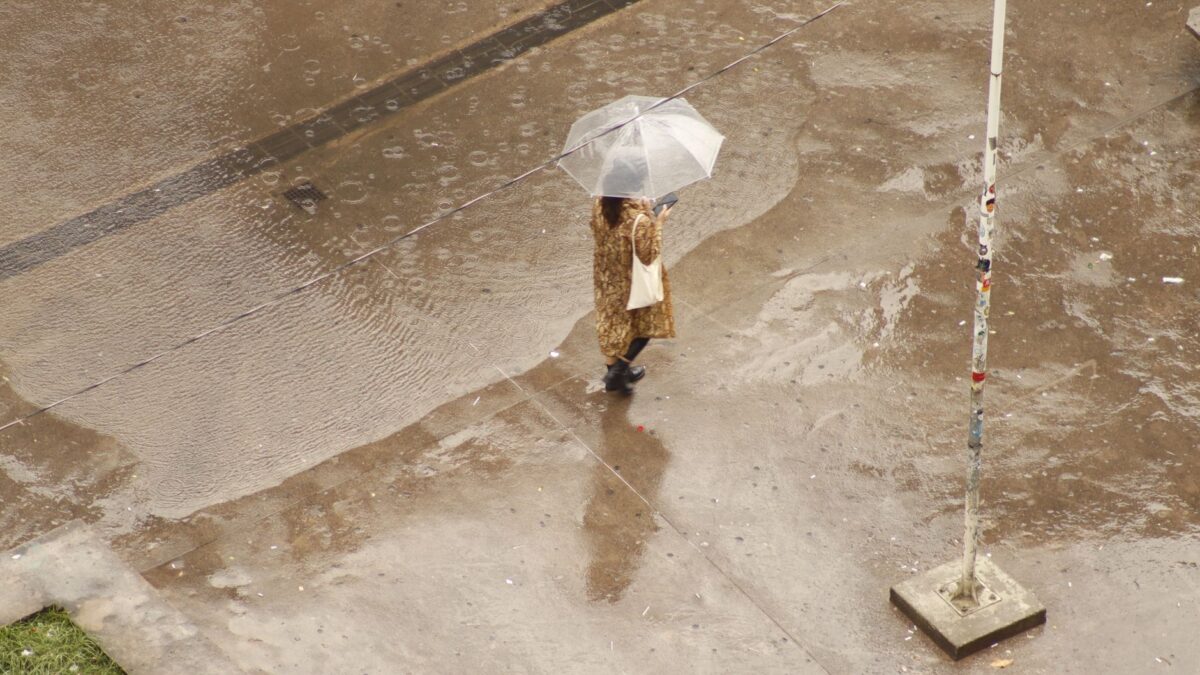
San José is waking up to a grey morning, the kind where the humidity hangs heavy and the first thunderstorms of the wet season are already drumming against the corrugated roofs in Barrio Otoya. If you have just stepped off the plane at Juan Santamaría International Airport, or if you are settling into a rental in the leafy streets of Los Yoses, the immediate reality is this: Costa Rica is beautiful, but it is also bureaucratic. The famous “pura vida” lifestyle doesn’t mean things happen quickly; it means you stay calm while they figure out your paperwork.
I have lived here long enough to know that the first week is less about sightseeing and more about survival logistics. You need a number on your phone, money in an account, and legal status on paper. Here is how you navigate those practical hurdles without losing your mind—or your wallet—in the heat.
The Visa Reality: Tourist vs. Resident
If you are from the US, Canada, or most EU countries, you likely walked through immigration with a smile. Most Western nationals enter visa-free for 90 days, which can generally be extended up to 180 days per calendar year. But do not mistake this freedom for permission to live here indefinitely. Immigration officers may ask for proof of onward travel—a ticket out of the country—so keep that digital copy handy.
If you intend to stay longer than six months, you must apply for residency before your tourist clock runs out. The system relies on categories like pensionado (retiree), rentista (passive income), or inversionista (investor). The process starts with the Dirección General de Migración y Extranjería (DGME). Once approved, you will receive your DIMEX, or resident cédula. This card is your golden ticket; without it, you cannot open a bank account or sign a long-term lease. Appointments for your cédula enrollment are booked via the Migración call center at 1311 or through partner offices like Banco de Costa Rica. Remember, renewals must be started up to 90 days before expiry, and there is a grace period with a small late fee, so set a reminder immediately.
Banking and the SINPE Ecosystem
In many countries, banking is a chore done once a month. In Costa Rica, it is the heartbeat of daily life. You cannot survive here without a local account. While private banks like BAC Credomatic and Banco Promerica exist, the two state-owned giants—Banco de Costa Rica (BCR) and Banco Nacional (BNCR)—are ubiquitous. Opening an account is significantly easier once you have your DIMEX and proof of address. If you are still on a tourist visa, some branches may accommodate you, but expect higher scrutiny.
Once you are in, you will quickly learn about SINPE Móvil. This is the national electronic payments system that powers everything from bus fares to splitting dinner bills. It is not just an app; it is how society functions. Your new Costa Rican phone number links directly to your bank account, allowing instant transfers between friends and vendors. I recommend downloading the SINPE Móvil app before you leave the airport if possible, or at least visit a branch immediately upon arrival to link your chip to your account. Cash is still used, especially in smaller towns, but in San José, if you aren’t using digital transfer, you are falling behind.
Your First SIM Card and Connectivity
You will need a local number almost instantly, primarily to register for SINPE Móvil and to communicate with landlords or employers. Prepaid SIM cards are widely available at the airport, in malls, and at operator stores. You will need to present your passport to buy one. The three main operators are Kölbi (state-owned by ICE), Claro, and Liberty (formerly Movistar).
Kölbi often has the best coverage in rural areas and the Central Valley, while Claro and Liberty are competitive in urban centers. A standard prepaid package will cost you roughly ₡5,000 to ₡10,000 initially, though prices fluctuate. You can top up at any supermarket, gas station, or via the operator’s app. Do not rely on Wi-Fi alone; data bundles are essential for navigating traffic and confirming bus schedules. Keep your physical SIM safe; losing it means losing your banking access until you replace it.
Navigating Costs and Daily Life
San José is currently ranked as one of the more expensive cities in Latin America, with monthly costs for a single person hovering around ₡790,000–₡845,000. Transport costs jumped again in 2026 due to fuel-driven fare increases, so budgeting is key. However, living locally is still far cheaper than in North America or Europe if you avoid expat traps.
For food, skip the tourist restaurants and find a soda. These are local diners serving casados (rice, beans, salad, plantains, and meat). A meal at an inexpensive place like Soda Tala near the Mercado Central will set you back about ₡5,250 (roughly $10). For a mid-range dinner for two, expect to pay around ₡22,500 (about $45). Rent for a modest one-bedroom flat in central San José runs between ₡200,000 and ₡350,000 (approx. $530) per month, depending on the district.
Transportation is another area where you must adapt. The Greater San José buses use the SINPE-TP electronic fare system. You need a Monedero SINPE-TP card, which costs ₡5,000 to purchase (with ₡4,000 usable balance). You tap this card on validators when boarding. A single urban trip is about ₡310, while an intercity bus to Cartago might cost ₡780. If you commute daily, a monthly public transport pass is available for around ₡17,100 (about $35). Download the free SINPE-TP Pasajero app to check balances and trips—it is indispensable.
Safety and Neighborhood Selection
San José is a city of distinct neighborhoods, each with its own vibe and safety profile. Downtown (Centro) is fine during the day, especially around landmarks like the Mercado Central or the Teatro Nacional, but petty theft is common. After dark, most locals avoid walking between distant districts. Stick to rideshare apps like Uber or DiDi, or licensed taxis, for evening movement.
For residential safety and walkability, consider these areas:
- Barrio Escalante: The gastronomic hub with a grid of 1940s houses turned into cafés and bars. Busy, lively, and generally safe.
- Barrio Amón: Historic coffee-barons’ quarter with Victorian mansions. Home to embassies and galleries, very pedestrian-friendly.
- Los Yoses / San Pedro: Quiet, leafy suburbs near the University of Costa Rica. Ideal for families and those seeking calm.
- La Sabana: Wraps around the large park, offering easier road access and a mix of hotels and residences.
As you settle in, you will notice the rhythm of the city. Mid-October is the darkest, wettest stretch of the year, with heavy afternoon downpours soaking the streets. Locals treat umbrellas as permanent accessories. But inside, the culture thrives. Whether you are attending the Festival Internacional de Marionetas de La Boca del Monte or enjoying a quiet coffee at Café Rojo in Barrio Escalante, you are part of a community that values connection over convenience.
Welcome to Costa Rica. Take your time, get your papers in order, and let the pura vida work itself out.
Frequently asked questions
How long can I stay in Costa Rica as a tourist?
Most Western nationals enter visa-free for 90 days, which can generally be extended up to 180 days per calendar year. You should carry proof of onward travel.
Do I need a local bank account to live in Costa Rica?
Yes, it is highly recommended. With a resident cédula (DIMEX), you can open an account at state banks like BCR or BNCR. Access to SINPE Móvil is essential for daily transactions.
What is the best way to pay for public buses in San José?
You must use the Monedero SINPE-TP card. It costs ₡5,000 to purchase and is tapped on validators. Urban fares are approximately ₡310.
Which neighborhoods are safest for expats in San José?
Barrio Escalante, Barrio Amón, Los Yoses, San Pedro, and La Sabana are considered safer and more walkable for pedestrians compared to downtown after dark.
How much does it cost to eat out in San José?
A meal at a local soda costs about ₡5,250 ($10). A mid-range dinner for two is around ₡22,500 ($45). Monthly rent for a modest flat is ₡200,000–₡350,000.


