

Moving to Croatia: visas, banking and SIM cards
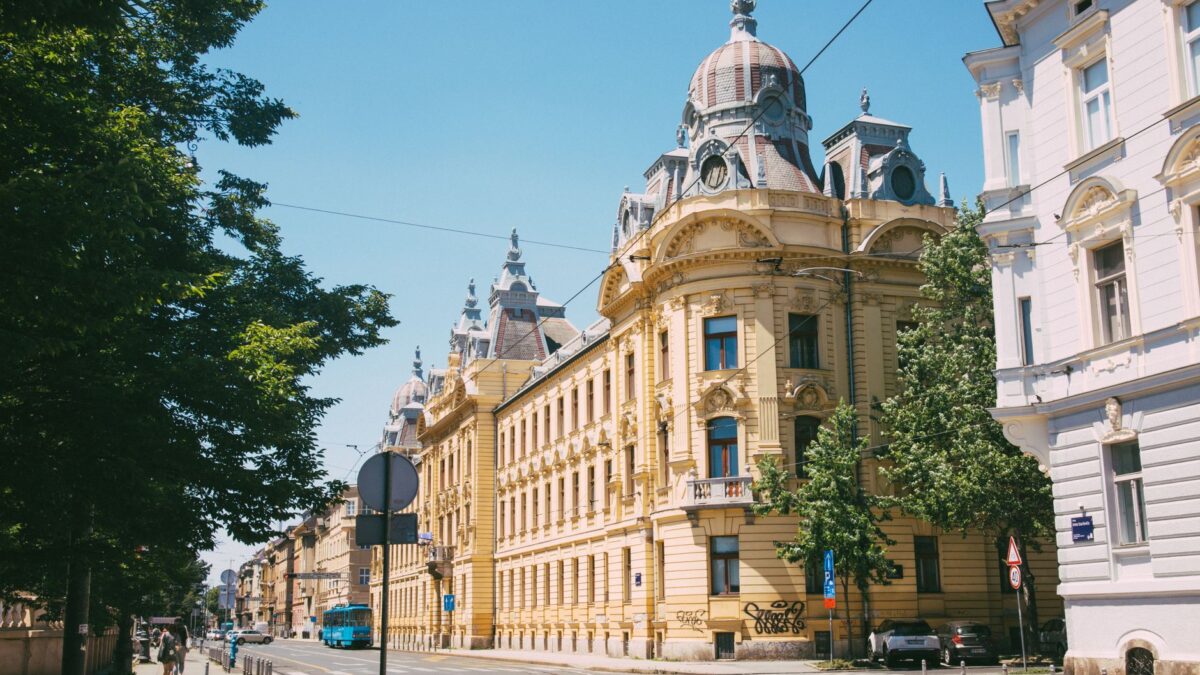
It is a crisp mid-October morning in Zagreb, the kind where the mist clings to the cobblestones of Gornji Grad and the scent of roast chestnuts drifts from street vendors near Dolac Market. You have just stepped off a plane, your luggage slightly damp from the fog, and you are ready to start your new life in Croatia. The first few weeks can feel like navigating a maze of paperwork and bureaucracy, but once you crack the code, this capital city opens up with warm hospitality. I am Ivana Marić, and I want to walk you through the practical essentials of your first week: visas, banking, SIM cards, and registration. Let us get you settled so you can focus on exploring the Lenuci ‘Green Horseshoe’ or enjoying a quiet coffee at Quahwa.
Visa Rules and Entry Basics
Croatia joined the Schengen area and adopted the euro on 1 January 2023, which has simplified travel for many, but the rules still depend heavily on your nationality. If you are a citizen of the EU, EEA, UK, US, Canada, Australia, or several other nations, you likely do not need a visa for short stays. You can enter visa-free for up to 90 days within any 180-day period. This is perfect for testing the waters, attending events like the Mali gornjogradski festival, or simply getting a feel for the rhythm of life here.
However, if you plan to stay longer than 90 days, or if you are from a country that requires a visa, you must apply for a Schengen (C) visa through a Croatian embassy, consulate, or VFS centre before you arrive. Do not attempt to overstay; immigration checks are becoming more rigorous. Once you are in, remember that while entry is easy, staying legally requires proper registration, which we will cover shortly. For now, ensure your passport is valid for at least three months beyond your intended departure date.
Getting Your OIB and Opening a Bank Account
In Croatia, you cannot open a bank account, sign a lease, or even buy a mobile phone contract without an OIB (Osobni identifikacijski broj), or Personal Identification Number. Think of it as your tax ID and social security number combined. Getting one is surprisingly straightforward. You can visit the Tax Administration (Porezna uprava) office in Zagreb. Bring your passport and fill out the application form. Most offices have English-speaking staff who can guide you through the process. You will usually receive your OIB on the spot or via email within a few days.
Once you have your OIB, you can head to a bank to open a giro or current account (tekući račun). You will need your passport, proof of address (such as a rental contract), and your OIB. Popular local banks include Zagrebačka banka (part of UniCredit), Privredna banka Zagreb (PBZ, owned by Intesa Sanpaolo), Erste & Steiermärkische Bank, OTP banka, Raiffeisenbank Austria, Hrvatska poštanska banka (HPB), and Addiko Bank. Many expats also use fintech options like Revolut or Aircash for daily transactions, but having a local IBAN is essential for receiving salaries, paying rent, and setting up direct debits for utilities.
Be prepared for some patience. Banking hours can be short, often closing by 2 PM or 4 PM on weekdays, and branches may be closed on Saturdays. If you find yourself needing cash, ATMs are ubiquitous, but try to use those affiliated with major banks to avoid excessive fees. As for costs, everyday items remain affordable; a cup of coffee at a local café might cost around €1.50–€2.00, and a meal at an inexpensive restaurant is roughly €10. However, keep in mind that rents have risen significantly; a modest one-bedroom flat outside the centre costs about €600–€700 per month, while a city-centre flat is around €763.
SIM Cards and Mobile Connectivity
Staying connected is vital, especially when navigating public transport or coordinating with landlords. Croatia has excellent mobile coverage, and prepaid SIM cards are widely available. The three main operators are A1 Hrvatska, Hrvatski Telekom (HT), and Telemach. HT’s prepaid brand is known as Tomato. You can purchase SIM cards at their official shops, Tisak news kiosks, post offices, and even at Zagreb Airport.
You will need to present your photo ID or passport for registration, which is a legal requirement. The process takes only a few minutes, and you will have a local number almost immediately. If you are coming from an EU country, remember that EU roaming rules apply, so you can use your existing plan in Croatia without extra charges, provided your home operator allows it. For locals, however, a cheap prepaid package from Tomato or A1 is the standard way to go. Data speeds are fast, and 4G/5G coverage extends well into the suburbs and even up to the Sljeme peak on Medvednica mountain.
Registration and Address Declaration
This is the part that often causes anxiety, but it is crucial for legal compliance. If you are an EU/EEA citizen staying longer than three months, you must register your temporary residence (prijava privremenog boravišta) at the police within eight days after your third month in Croatia. Permanent residence can be claimed after five continuous years. Third-country nationals must apply for a temporary stay permit via the Ministry of the Interior (MUP) and register their address on Form 16a.
A key detail for renters: your landlord is legally required to report a hosted foreigner to the police within 24 hours of your arrival. Accommodation providers have a similar 12–24 hour window. In Zagreb, foreigner status matters are handled at the Policijska uprava zagrebačka, Odjel za statusna pitanja stranaca, located at Petrinjska 30. Their phone number is 01/4563-622. It is wise to call ahead to confirm appointment requirements, as queues can be long. Bringing all your documents—passport, visa (if applicable), rental contract, and proof of health insurance—is essential to avoid multiple trips.
Navigating Daily Life and Safety
Once your administrative tasks are complete, you can focus on enjoying Zagreb. Public transport is run by ZET (Zagrebački električni tramvaj) and includes trams, buses, and the historic funicular. A single 90-minute ticket costs about €1.33 if bought from a kiosk or app, while a monthly general pass is approximately €47.78. You can manage tickets and passes via the mojZET app, which is very user-friendly. Note that there are occasional weekend shutdowns due to infrastructure work, such as the recent rebuilding of the Patačićkina substation, so always check the ZET website for disruptions.
Zagreb is generally very safe, including at night in the centre. The main risk is pickpocketing on crowded trams, particularly those linking the main station, and around Dolac Market and Ban Jelačić Square. Keep your valuables secure. Emergency numbers are 112 for all services, 192 for police, 194 for ambulance, and 193 for fire. As autumn deepens, with temperatures dropping to around 4–18°C and foggy mornings becoming common, dress in layers. Visit places like the Museum of Broken Relationship or take a cable car up Medvednica for breathtaking views. Welcome to Croatia, and enjoy every moment of your new journey.
Frequently asked questions
Do I need a visa to move to Croatia?
Citizens of the EU, EEA, UK, US, Canada, and Australia can enter visa-free for up to 90 days. For longer stays, you must apply for a Schengen visa or temporary residence permit before arriving.
How do I get an OIB number?
Visit the local Tax Administration (Porezna uprava) office with your passport. You will fill out an application form and typically receive your OIB immediately or via email shortly after.
Which bank should I use in Zagreb?
Popular options include Zagrebačka banka, Privredna banka Zagreb (PBZ), and Erste Bank. You will need your OIB, passport, and proof of address to open an account.
Where can I buy a local SIM card?
You can buy prepaid SIMs from A1 Hrvatska, Hrvatski Telekom (Tomato), or Telemach at their shops, Tisak kiosks, post offices, or the airport. Bring your passport for registration.
When do I need to register my residence?
EU citizens staying over 3 months must register at the police within 8 days after the 3-month point. Landlords must report your arrival within 24 hours.
Things to do in Croatia
 GROUP/ PRIVATE Walking History Tour of SPLIT with Daniela
 Full-Day Private Boat Tour of Elafiti Island from Dubrovnik
 Private Walks & Storytelling - the best small group tour in Split
 Private Boat Tour to the Elafiti Islands with Atlantic Marine
 Exclusive Private Tour: Red Rocks & Pakleni Islands
 Adrenaline Quad Safari Tour