

Moving to Denmark: visas, banking and SIM cards
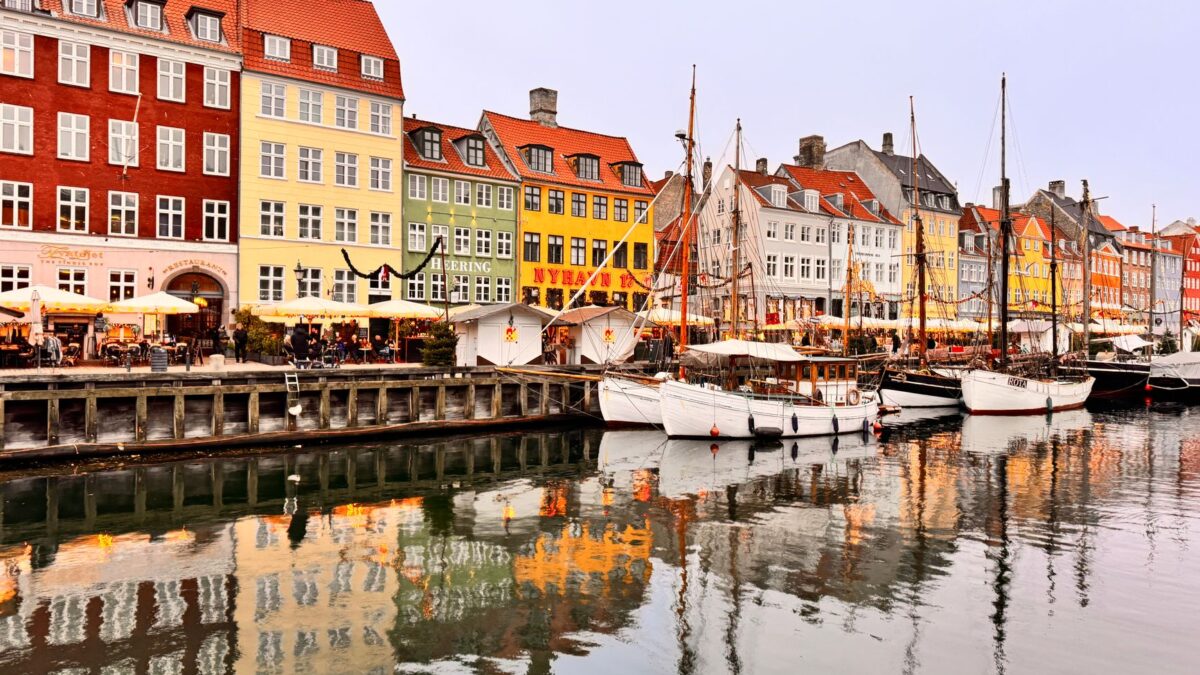
It is just past 4 PM in early November, and the sky over Copenhagen is already a bruised purple. The rain is that specific kind of damp, wind-blown drizzle that seems to seep through your coat no matter how many layers you wear. Inside Tivoli Gardens, the first Christmas lights are flickering on, casting a warm glow against the darkening trees, while across town, students in party hats are gathering for J-dag, Tuborg’s traditional Christmas beer launch. This is the Denmark you will step into: beautiful, slightly chaotic, deeply seasonal, and utterly welcoming if you know how to navigate it. Moving here isn’t about conquering a city; it’s about learning its rhythms. Here is how to set up your life in the Capital Region during those critical first weeks.
The Visa Reality and Entry Basics
If you hold a passport from the US, UK, Canada, Australia, or Japan, you likely do not need a visa to enter. Copenhagen sits comfortably within the Schengen area, allowing visa-free travel for up to 90 days in any 180-day period. However, this freedom comes with a caveat: once you intend to stay longer than 90 days, the clock starts ticking immediately. Non-exempt nationalities must secure a Schengen short-stay (type C) visa before arrival, but even then, long-term residence requires a separate permit processed through Danish immigration authorities.
Keep your passport and ID close. Border checks at the airport and train stations are standard procedure. If you are an EU/EEA/Swiss citizen, you have more leeway, but you still face strict registration deadlines. For everyone else, understanding the difference between tourism and residency is vital. You cannot simply “extend” your tourist stay indefinitely. Your goal upon arrival is to transition from visitor to resident as quickly as possible, starting with the most important number in Danish life: the CPR number.
Registering with the Folkeregisteret
You might think opening a bank account is your first priority, but it is actually a myth. In Denmark, you generally cannot open a normal bank account without a CPR number, which you cannot get without registering first. This is the bureaucratic bottleneck every new resident hits. You must register with the Danish National Register (Folkeregisteret) via your local Borgerservice or an International Citizen Service (ICS) centre within five days of establishing residency. For EU citizens, this deadline extends to six months, but waiting that long creates unnecessary friction.
When you walk into the Borgerservice, bring your passport or photo ID, a signed employment contract, and proof of address. If you are married, bring your certificate; if you are non-EU, bring your residence permit. The staff will verify your documents and issue your CPR number. This number is the key to everything. Without it, you cannot get MitID—the mandatory digital signature used for nearly all government and banking interactions—nor can you apply for a tax card. It feels like a catch-22, but once you have that CPR number, the rest of the doors swing open. Do not delay. The system moves fast when you push it.
Banking and the NemKonto System
With your CPR number and MitID secured, you can approach a bank. The major players you will encounter are Danske Bank, Nordea, Nykredit, Jyske Bank, Arbejdernes Landsbank, and the digital-only Lunar. Banks are legally obliged to offer an EU resident a basic payment account, though they may refuse if you already hold a Danish account elsewhere. Open your account promptly; having a local account simplifies rent payments and daily transactions significantly.
Once your account is active, you must designate one account as your NemKonto. This is not optional for residents. The NemKonto is the dedicated channel for all public payments: salary refunds, benefits, tax rebates, and government subsidies flow exclusively into this account. You can even use a foreign account for this designation by registering via nemkonto.dk with your MitID. Crucially, the NemKonto is “money in only.” Authorities cannot withdraw funds from it, nor can they see your balance, providing a layer of privacy for your private finances. While you manage this setup, remember that cash is rarely used. A single local transit fare on the metro is 24 DKK, paid digitally, and even a pølse from a street stand often prefers card. Prepare yourself for a cashless society.
Getting Connected: SIM Cards and Transit
Connectivity is immediate. Pick up a prepaid SIM card at Copenhagen Airport (Kastrup) or at supermarkets and phone shops from providers like Lebara, Lycamobile, Telia, Telenor, 3 (Hi3G), or CBB Mobil. You must bring your passport, as Danish prepaid SIMs require ID registration under local laws. Once activated, your Danish SIM works across the EU under roaming rules, so you can use it seamlessly if you travel to Berlin or Paris for the weekend.
Transportation is equally straightforward but requires a shift in mindset. The old physical blue Rejsekort card was phased out during 2026. Now, you rely on apps. Use the Rejsekort app for tap-in/tap-out travel with off-peak discounts, or the Rejsebillet app for single tickets and City Passes. For intercity trains, the DSB app offers cheap ‘Orange’ tickets. If you do not have a smartphone, a new physical Basiskort card costs about DKK 50. Locals plan their journeys using Rejseplanen, then buy tickets in Rejsebillet. The Metro lines M1–M4 run 24/7 and are driverless, making late-night returns from Vesterbro’s bars safe and easy. Be aware of fines: an invalid ticket draws roughly DKK 750 on the metro or DKK 1,000 on buses. Check your ticket before boarding.
Navigating Costs and Districts
Copenhagen is one of Europe’s most expensive cities, so budgeting is essential. Rent for a modest one-bedroom flat outside the city centre runs around 9,400 DKK monthly, while city centre options like Indre By can cost about 13,500 DKK. Eating out adds up quickly: a meal at an inexpensive restaurant is about 150 DKK, and a three-course mid-range dinner per person is roughly 400 DKK. A cappuccino in a café near Nyhavn will set you back around 45 DKK. However, smart choices help. A kanelsnegl from a bakery is 30–45 DKK, and a smørrebrød at a place like Smagsløget sandwiches is 75–120 DKK. Street food markets like Reffen offer meals for 100–130 DKK, providing excellent value.
Choose your district wisely. Indre By is historic and priciest, centered on Strøget and Nyhavn. Vesterbro offers a cooler vibe with Kødbyen’s nightlife. Nørrebro is multicultural and left-leaning, home to Superkilen Park. Christianshavn features 17th-century canals and Freetown Christiania, where you must respect local rules: no photographs and no running on Pusher Street. Østerbro and Nordhavn are leafy, affluent areas with modern architecture like Bjarke Ingels’ projects. Safety is high overall, but watch for pickpockets in Indre By and always respect bicycle traffic. The locals cycle everywhere, and yielding to them is not just polite; it is survival. Welcome to Denmark. Take your time, get your paperwork sorted, and enjoy the julebryg.
Frequently asked questions
Do I need a visa to move to Denmark from the US?
US citizens can enter visa-free for up to 90 days in any 180-day period. However, for stays longer than 90 days, you must apply for a residence permit before arriving or shortly after, depending on your specific circumstances.
Can I open a bank account in Denmark without a CPR number?
Generally, no. You need a CPR number from the Folkeregisteret to open a standard Danish bank account and obtain MitID, which is required for most financial services.
What is a NemKonto and why do I need one?
A NemKonto is a designated bank account used exclusively for receiving public payments like salary, tax rebates, and benefits. It is mandatory for residents and ensures secure, direct transfers from Danish authorities.
How do I pay for public transport in Copenhagen now?
The physical blue Rejsekort was phased out in 2026. Use the Rejsekort or Rejsebillet apps on your phone for tap-in/tap-out travel. A new physical Basiskort is available for about DKK 50 if you lack a smartphone.
Is Copenhagen safe for pedestrians and cyclists?
Copenhagen is very safe, but you must prioritize bicycle traffic. Yielding to cyclists is essential for safety. Watch for pickpockets in tourist-heavy areas like Indre By and Nyhavn.
Things to do in Denmark
 Private Copenhagen Boat cruise in Scandinavian mahogany boat
 Private Copenhagen Boat Tour: Landmarks and Hidden Gems
 Likely to sell out
Private Copenhagen Family Cargo Bike Tour
 Aarhus City Highlights Tour: History, Culture & Street Art
 2-Hour Private Copenhagen Segway Tour - Your own private group
 Why Danes Are So Happy: The Secret to Danish Happiness, Nørrebro